Nar Pu Valley Trek - 14 Days

The Nar and Phu Valleys are two remarkable yet closely connected trekking destinations hidden between Nepal’s famous Annapurna and Manaslu regions. Predominantly inhabited by Khampa communities of Tibetan origin, these […]

  • Rated 5/5 based on 57 customer reviews
14 Days
15 - 20 KM Per Day
Hotel and Tree House
Start from Kathmandu and End to Kathmandu
Min 2 to Max 10 Pax in a group
challenging

Highlights

  • Explore the remote and hidden Nar & Phu Valleys, untouched by mass tourism
  • Experience authentic Tibetan-influenced culture and ancient lifestyles
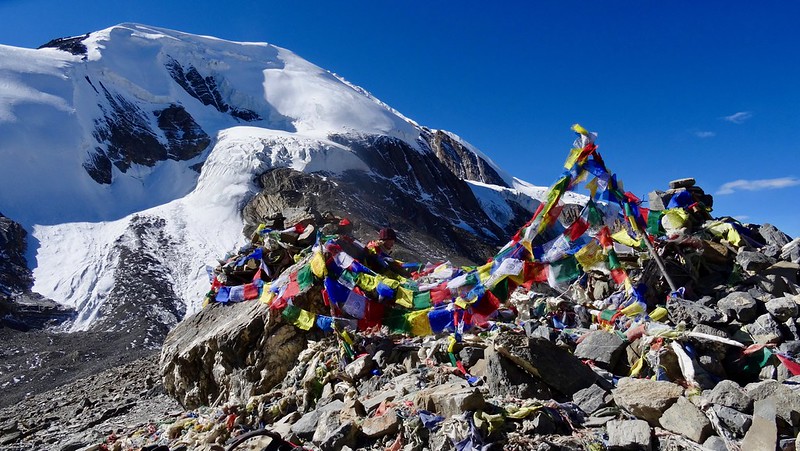
  • Cross the high Himalayan Kang La Pass (5,240 m) with spectacular mountain views
  • Stunning panoramas of Annapurna II, Gangapurna, Tilicho Peak, and Manaslu
  • Visit ancient gompas, chortens, prayer wheels, and prayer-flag-lined villages
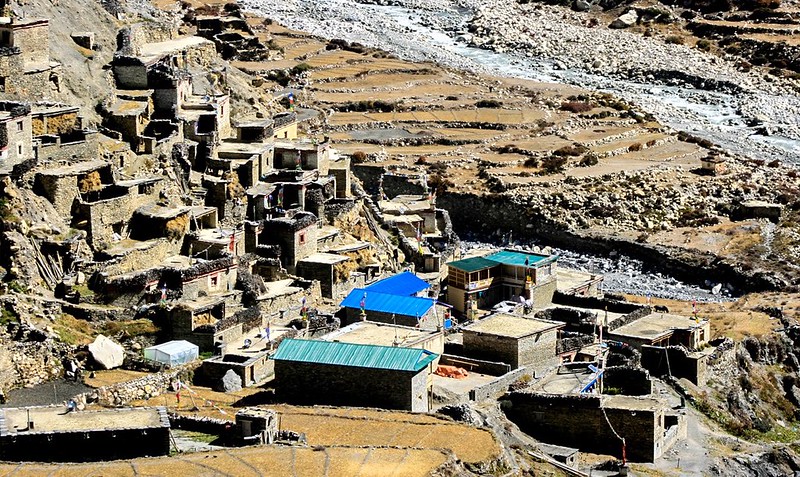
  • Discover the contrasting villages of vibrant Nar and tranquil Phu
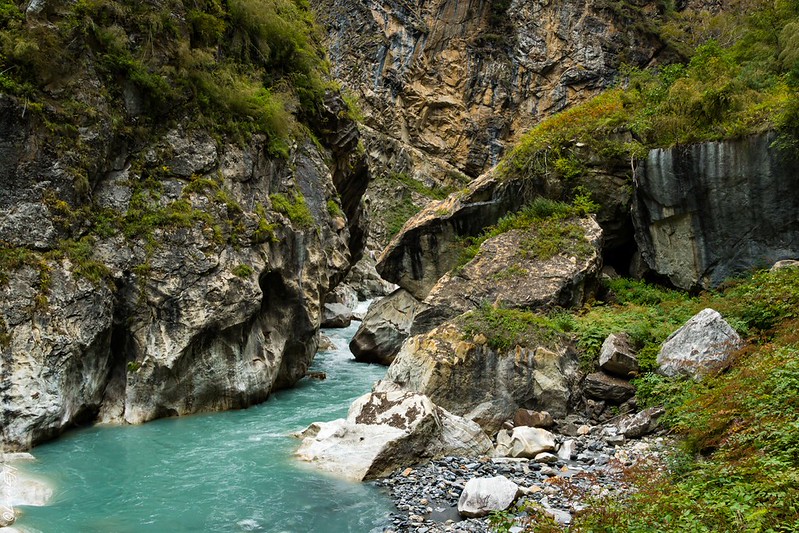
  • Walk through deep gorges, dramatic canyons, alpine forests, and yak pastures
  • Opportunity to spot rare Himalayan wildlife like blue sheep and snow leopard (rare)
  • Less crowded trails offering a true off-the-beaten-path Himalayan adventure
  • Combine cultural immersion with high-altitude trekking and breathtaking landscapes

Overview

The Nar and Phu Valleys are two remarkable yet closely connected trekking destinations hidden between Nepal’s famous Annapurna and Manaslu regions. Predominantly inhabited by Khampa communities of Tibetan origin, these valleys remain one of Nepal’s most untouched and culturally rich trekking areas. Although the route is more accessible than iconic treks like Everest Base Camp or Annapurna Base Camp, it remains a less-crowded Himalayan gem, offering tranquil landscapes beneath the towering presence of Mount Manaslu (8,163 m), the world’s eighth-highest peak.

Trekking in the Nar Phu Valley takes you deep into remote Himalayan settlements where traditional Tibetan-influenced lifestyles are still preserved. Often referred to as “Little Tibet,” the region offers an extraordinary blend of rugged terrain, ancient monasteries, yak pastures, glaciers, narrow canyons, and dense alpine forests. The adventure is further enriched by crossing high mountain passes such as Kang La (5,200 m) and Thorong La (5,416 m), making it a thrilling experience for seasoned trekkers.

Set in one of Nepal’s rare wilderness regions, this trek allows you to witness the raw beauty of the Himalayas and experience a deeply spiritual atmosphere shaped by centuries-old Buddhist traditions. The serene environment of the Nar and Phu Valleys provides a perfect setting for reflection, meditation, and reconnecting with nature during this 12-day Himalayan journey.

The trek reaches a maximum altitude of 5,320 meters, rewarding you with breathtaking panoramic views of Manaslu (8,193 m), Annapurna I (8,091 m), Dhaulagiri (8,167 m), and numerous other snow-capped peaks of the Annapurna range. Along the way, trekkers pass through charming villages, open pasturelands, lush forests, dramatic cliffs, and deep gorges that define the spectacular Himalayan landscape.

The journey begins with an approximately 8-hour drive from Kathmandu to Koto, following the classic Annapurna Circuit trail up to Meta. From there, the route crosses the Marshyangdi River and branches north into the secluded Nar and Phu Valleys, far from the crowds. This off-the-beaten-path adventure offers an authentic Himalayan trekking experience, ideal for travelers seeking solitude, culture, and unspoiled mountain scenery.

With Dream Himalayas and Treks, this Nar Phu Valley Trek is thoughtfully designed to provide a hassle-free, affordable, and immersive experience for trekkers and adventure seekers who long to explore the true tranquility of the Himalayas.

Best Time to Trek

The ideal time for the Nar Phu Valley Trek and to cross Thorong La Pass is March–April and October–November. During these months, the weather is stable, temperatures are pleasant, and the trail is adorned with seasonal flowers, birds, and crystal-clear views of snow-capped mountains. Domestic flights run on time, and you’ll meet travelers from around the world.

Trek Difficulty

The Nar Phu Valley Trek is one of Nepal’s most adventurous and challenging treks. Spanning 23 days, it crosses two high passes—Kang La and Thorong La, both over 5,000 m—requiring professional guidance. Previous trekking experience is recommended.

The trail begins in subtropical forests, ascends through narrow valleys, and passes remote villages. It involves rocky climbs, steep descents, and occasional snow-covered paths. Services are limited, so preparation is essential.

Nar Pu Valley Trek Outline Itinerary

Day 01: Kathmandu → Nagdi (850 m)
Day 02: Trek to Chamje (1,450 m)
Day 03: Trek to Dharapani (1,860 m)
Day 04: Trek to Koto (2,710 m)
Day 05: Trek to Dharamshala (3,230 m)
Day 06: Trek to Kayang (3,740 m)
Day 07: Trek to Phu Village (4,050 m)
Day 08: Explore Phu Village
Day 09: Trek to Junam (4,000 m)
Day 10: Hike from Junam to Nar (4,150 m)
Day 11: Explore Nar
Day 12: Trek to Ngawal (3,650 m)
Day 13: Hike to Manang (3,351 m)
Day 14: Hike to Yak Kharka (4,350 m)

Itinerary

If you want tailor-made trip or want to personalize this itinerary, just feel free to contact us. We are always there to help you to make your holiday plan. Contact us

Day 01

Kathmandu to Nagdi (850m).

We begin our journey early from Kathmandu with a drive toward Nagdi. The road is smooth and comfortable up to Besisahar. Upon reaching Besisahar, we switch vehicles and continue with a scenic two-hour drive to Nagdi. Nagdi is a small village located along the riverbank. After the long day of travel, we settle in, freshen up, and spend the night at a local lodge.
Day 02

Trek to Chamje (1,450m).

We begin our journey early from Kathmandu with a drive toward Nagdi. The road is smooth and comfortable up to Besisahar. Upon reaching Besisahar, we switch vehicles and continue with a scenic two-hour drive to Nagdi. Nagdi is a small village located along the riverbank. After the long day of travel, we settle in, freshen up, and spend the night at a local lodge.
Day 03

Trek to Dharapani (1,860m).

We trek along a narrow, steep trail through rhododendron, bamboo, and pine forests. After crossing a suspension bridge and climbing uphill, the valley opens to the village of Tal, marking our entry into the Manang district. We continue trekking to Dharapani for an overnight stay.
Day 04

Trek to Koto (2,710m).

The 7-hour trek from Dharapani to Koto passes through forests and villages like Bagarchap, Danaque, and Temang, offering stunning views of Manaslu and Annapurna. We reach Koto, a small Gurung village in the upper Manang Valley, for an overnight stay.
Day 05

Trek to Dharamshala (3,230m).

We start early for a more challenging trek, crossing a river into Nar Phu Valley. Hiking through forests and the pilgrim caves of Dharamshala, passing under a waterfall, we reach the sparsely wooded area and spend the night in this sacred region.
Day 06

Trek to Kayang (3,740m).

We start with a steep climb to high pastures on a 3,200 m plateau, passing Kharka of Meta (3,560 m) with its Sierra Nevada-like landscape. Trekking through Junam and Chako settlements, we reach our campsite at Kyang, a large winter settlement of the Phu, high above the river.
Day 07

Trek to Phu village (4,050m).

We begin the day with a steep descent to the river and trek along its banks, spotting the unique Chortens Nar and Phu are known for. After some rock-hopping across glacier streams and passing through narrow gorges, we reach a monolith resembling the Leaning Tower of Pisa. Crossing the ancient Phu Gate, we see the three Phu villages and the ruins of Dzong. A row of Chortens leads us to the main village, where we visit Tashi Lhakhang Gompa and receive blessings from Lama Karma Sonam Rinpoche.
Day 08

Exploration of the Phu village.

We spend the day exploring the ancient village of Phu, meeting locals and visiting the summer grazing settlements of the Kharka people. We can visit Tashi Lhakhang Gompa for blessings from Lama Karma Sonam Rinpoche, experience Tibetan culture, take stunning photos, and, if lucky, spot blue sheep in the valley.
Day 09

Trek to Junam (4,000m).

We return through the historic Phu Gate, descend along the river, and reach Junam Karka—a beautiful spot ideal for our twelfth-day campsite.
Day 10

Hike from Junam to Nar (4,150m).

We trek down an ancient bridge over a deep gorge and climb up, passing the historic Gyalbu Khumbu and Satte Gompa. After reaching the Nar Gates, we walk past painted, bamboo-topped Chortens and are rewarded with stunning views of Nar, its barley and mustard fields, four colorful ancient Gompas, and surrounding silver peaks.
Day 11

Exploration of Nar.

Although close to the Annapurna Trail, Nar feels worlds away. Vibrant and lively, its squares buzz with villagers chatting, weaving, and pounding mustard seeds. Gompas, chanting, drums, and prayer wheels fill the air, while daily life unfolds with painting, carpentry, and farming.
Day 12

Trek to Ngawal (3,650m).

We will cross the Kang La Pass at 5,240 m. Though long, it is not difficult, and offers stunning views of Annapurna II, Gangapurna, and Tilicho Peak. Before reaching Ngawal, colorful Chortens and prayer flags welcome us to this charming village of cobbled streets, prayer wheels, and historic architecture.
Day 13

Hike to Manang (3,351m).

Leaving Ngawal behind, we gradually descend to Manang, passing through the remote village of Paugha. We continue slowly to Mungli and join the main Annapurna trail. After lunch, we hike up to Braga, a beautiful village with traditional Tibetan-style houses and a Gompa housing stunning statues, thankas, and manuscripts. From Braga, it’s about an hour’s trek to reach Manang for the night.
Day 14

Hike to Yak Kharka (4,350m).

After exploring Manang, we begin a gradual climb to Tenki Manang, offering stunning mountain views. The trail then winds through scenic terrain dotted with hardy juniper bushes. After some hiking, we reach Yak Kharka for the night.

Inclusions

What's included

  • Airport pickups and drops via a private vehicle
  • 3-star hotel accommodation in Kathmandu and Pokhara with breakfast
  • Both way drive kathmandu to Koto and Back to kathmandu from Humde,
  • Tea-house accommodation during the trek
  • All meals (breakfast, lunch and dinner) during the trek
  • Welcome and farewell dinners
  • All ground transportation on a comfortable private vehicle as per the itinerary
  • An experienced, English-speaking and licensed trek leader
  • Porter service (2 trekkers: 1 porter)
  • Salary, insurance, equipment, food and accommodation of staff
  • Duffel bag and sleeping bag (to be returned after trip completion)
  • T-shirt and trekking map
  • All necessary paperwork and permits (ACAP, TIMS)
  • Special permit for Nar Phu Valley,
  • First Aid kit (carried by your trek leader)
  • All government taxes

What's not included

  • Nepal Tourist Visa fee
  • International airfare to and from Kathmandu
  • Excess baggage charges
  • Travel and rescue insurance
  • Personal expenses (phone calls, laundry, bar bills, battery recharge, extra porters, bottle or boiled water, shower, etc.)
  • Single supplement USD 150 per person
  • Tips for guide(s), porter(s) and driver(s)

Food and Meals on the Nar Phu Valley Kang La Pass Trek

During the Nar Phu Valley trek, proper nutrition is vital to stay energized at high altitudes. While food options become more limited as you climb higher, a variety of wholesome meals are provided throughout the trek.

Breakfast may include local favorites like Tsampa porridge, pancakes, Tibetan bread or chapati, along with butter, cheese, honey, eggs, muesli, fruits, vegetables, and hot beverages.

For lunch, you can enjoy dishes such as dal, bhat, and tarkari, soups, vegetable curry, thukpa, pasta, steaks, noodles, Sherpa stew, momo (dumplings), sandwiches, pizza, salads, and desserts.

Dinner offers a similar variety, including dal, bhat, tarkari, vegetable curry, potatoes, papad, soups, Sherpa stew, Korean ramen, pasta, momo, salads, steaks, and desserts, ensuring you are well-fed and ready for the next day’s trek.

Accommodation during Nar Phu Valley Trek

During the Nar Phu Valley Trek, you will stay in quality hotels in Pokhara and Kathmandu, and in tea houses along the trail, which function as a restaurant, guesthouse, and social hub. Rooms are generally shared with trekkers of the same gender, though single rooms are available for an additional fee. Tea house rooms are simple, usually furnished with twin beds and minimal furniture, and while blankets are often provided, bringing a sleeping bag is recommended. Most lodges have squatting or sitting toilets, and hot water for showers is available in many places, usually at an extra cost. Tea houses provide a cozy place to rest and recharge after a day of trekking.

Travel Insurance for the Nar Phu Valley Trek

The Nar Phu Trek takes place at high altitudes, including passes like Thorung La (5,416 m) and Kang La (5,320 m), where risks such as altitude sickness, landslides, and other emergencies are possible. For this reason, travel insurance is mandatory for all trekkers.

Before the trek, each participant must provide Green Valley Nepal Treks with a copy of their comprehensive travel insurance certificate. The insurance should cover medical emergencies, evacuation, and helicopter rescue up to at least 6,000 meters. Once a trek is reserved, trekkers are requested to submit a detailed insurance form. In case of an emergency, the insurance details allow the team to plan a safe and timely rescue.


Frequently Asked Questions about Nar Pu Valley Trek - 14 Days

What is the best time to trek in Nar Phu Valley?

The best time for trekking is in autumn (September–November) and spring (March–May), when the weather is clear and temperatures are pleasant.

What permits require for the Nar Phu Valley Trek?

Trekkers must obtain two permits: the Annapurna Conservation Area Permit (ACAP) and the Restricted Area Permit (RAP). The RAP mandates trekking with a licensed guide and a minimum of two people.

How difficult is the Nar Phu Valley Trek?

The trek is moderately challenging, with rugged terrain, high altitudes, and long daily hikes of 6–8 hours. Good fitness and proper acclimatization are essential.

What kind of physical fitness is required?

Trekkers should focus on cardio, strength training, and hiking with a weighted backpack to build the endurance and strength needed for the challenging terrain.

Can I trek alone in Nar Phu Valley?

No, solo trekking is not permitted in Nar Phu Valley. Trekkers must be accompanied by a licensed guide and travel in a group due to its restricted area status.

What gear should I bring for the trek?

Essential gear includes sturdy trekking boots, layered clothing for changing temperatures, a comfortable backpack, trekking poles, a cold-weather sleeping bag, and a first aid kit.

The Nar Phu Valley Trek usually takes 10–16 days, depending on your itinerary and pace.

Dream Himalayas Illustration