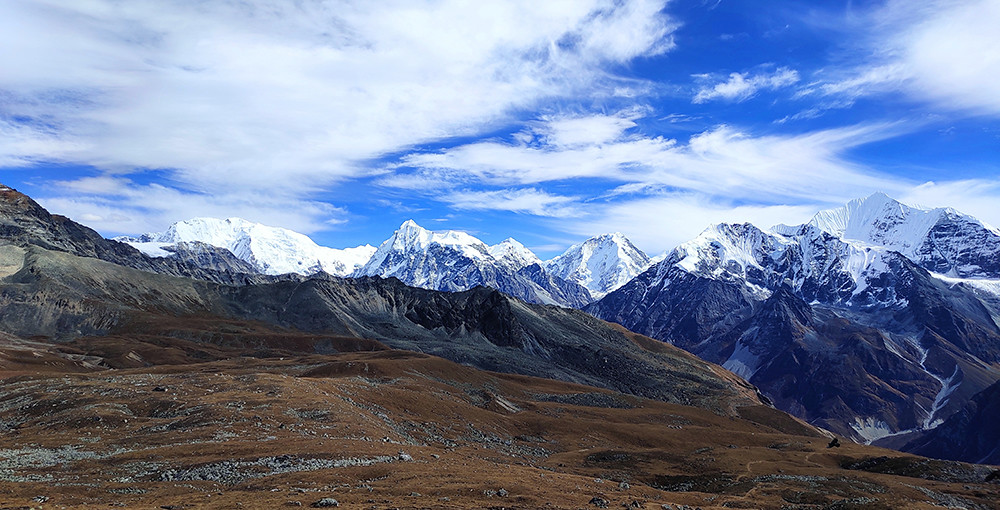
The Everest Base Camp Trek with Gokyo Lakes is a 14–16 day adventure that combines the iconic Everest Base Camp with the serene Gokyo Lakes. The trek offers stunning views of Everest, Lhotse, Cho Oyu, and Makalu, and includes a visit to the Gokyo Ri for panoramic vistas. Passing through Sherpa villages like Namche Bazaar and Tengboche, this trek provides a perfect mix of natural beauty and cultural immersion, ideal for experienced trekkers.

Everest Base Camp Trek with Gokyo Lakes – 15 Days, provides a lifetime opportunity to experience Nepal’s best-hidden natural beauty. The rounding path through the valley of Gokyo passes Cho La Pass to reach Everest Base Camp at the end of the trek.
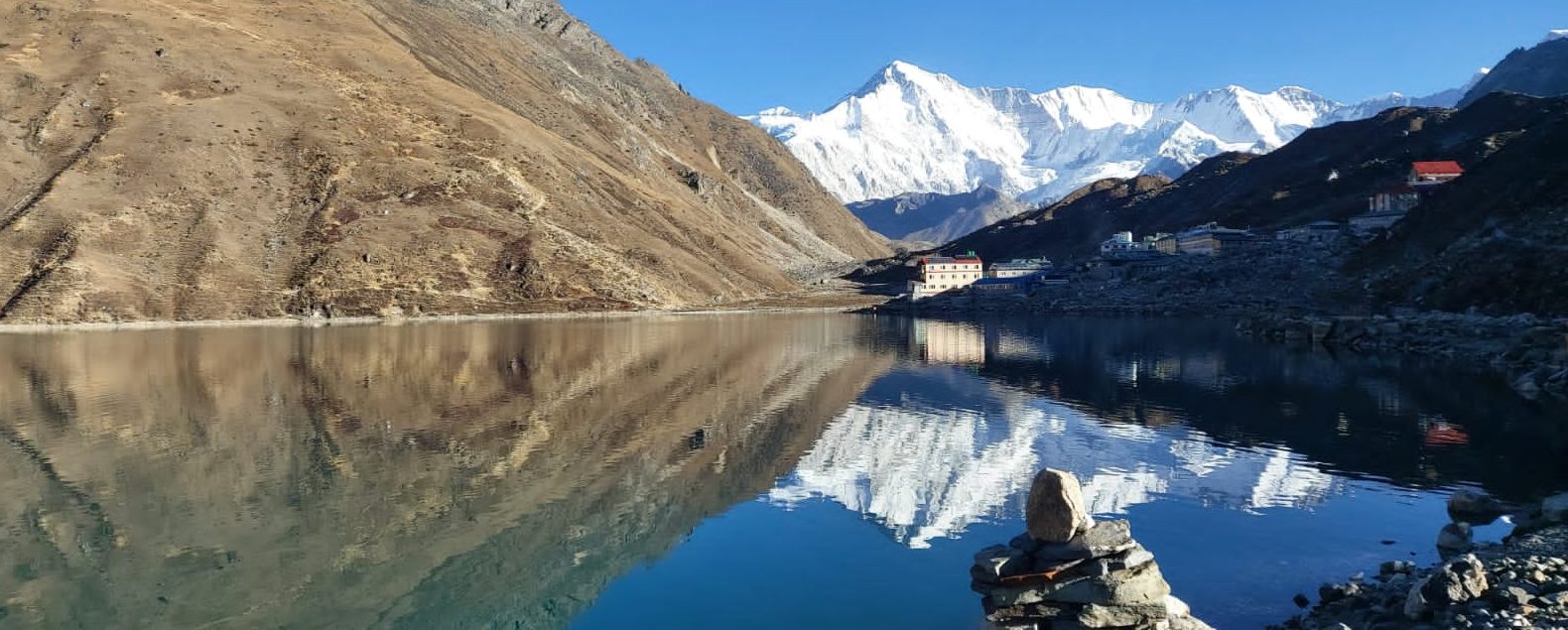
It is one of the most popular and challenging treks in Nepal. The main attractions of the Everest Base Camp Trek with Gokyo Lakes – 15 Days are Gokyo Lakes, Cho La Pass, Gokyo Ri Viewpoint, and Khumbu Icefall if you are on this route. The journey passes throughout the eye capturing Khumbu valley.
The beautiful yet challenging 15-day journey to the Everest Base Camp trek with Gokyo Lakes starts with a short flight to Lukla from Kathmandu. Passing by Namche Bazar and Gokyo Lakes with an easy route you will be facing off challenge of being at Base Camp. Then you will be again back in Kathmandu from Lukla on another flight.
Everest Base Camp with the Gokyo Lakes route will let you experience the most celebrated and respected Sherpa community along with their culture and hospitality at the top of the mountainous regions, who reside at the foot of Mt. Everest, the world’s highest peak and their hardship life.
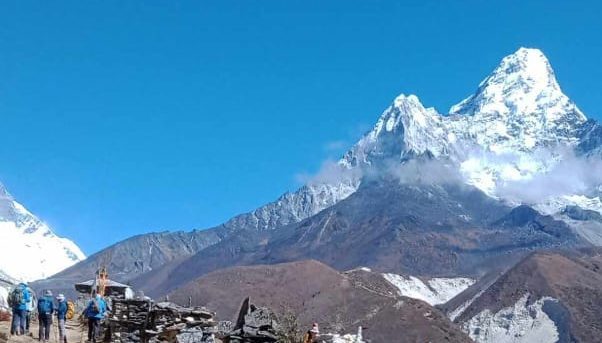
Most Beautiful views of Mt. Cho Oyu, Everest, Lhotse, Makalu, Nuptse, Amadablam, Pumori, and Tengboche Monastery in the Khumbu region of Nepal make trekking to the Everest Base Camp with Gokyo Lakes an adventure for any trekker or tourists.

When the day moves on and you get nearer to your destination, the walk may get very challenging for the travelers. So choosing the right season and weather for the trekking has an essential effect on how difficult the journey is going to be.
Spring is regarded as the best time to trek in Nepal for any trekking journey including the Everest Base Camp Trek with Gokyo lakes. The trekking routes are pretty much crowded during the Spring. You will surely have an easier trekking journey but may stumble with several other travelers.
The spring season brings sunny, dry weather for the traveller which is perfect for trekking in high altitudes. You can also enjoy the wide variety of vegetation and blossoming rhododendrons with junipers throughout Everest Base camp trek with gokyo lakes during this season.
From June to August, rain is frequent in several parts of Nepal even in the mountains. Higher altitudes offer low chances of rain. Higher altitude paths are pretty much empty during the Summer season due to frequent rainfall and trail difficulty caused by the rain.
You will love this season in case you are fond of traveling alone and capturing the views of stunning mountains for yourself.
Autumn is one of the best seasons to go on the journey to the Everest Base Camp Trek with Gokyo Lakes as light rainfalls with frequent winds make your journey thrilling and adventurous. Most of the journey will be pleasant with light rainfalls everywhere with wild vegetation surrounding you.
You might have to book an accommodation facility at every place beforehand as many travellers prefer to be on The Everest Base Camp trek with gokyo lakes journey during the Autumn Season.
Winter is viewed by most as an off-season while they are making plans for the Everest Base Camp Trek but it might turn out perfect if you love chilling adventures and heavy snowfalls. The temperature can even drop to -15 degrees Celsius during the wintertime in the mountains.
We recommend you winter season during the month of early February for safe trekking to the Everest Base Camp Trek with Gokyo Lakes during this season.
Food : Taking nutritious, well-balanced food is crucial to sustaining energy during high-altitude trekking. To maintain your energy, you will usually be provided three nutritious meals each day during your journey.
Breakfast: A plate of warm, freshly baked Tibetan bread will be served to you, along with bean and potato soup and a lovely cup of tea or coffee normally in the guest houses or lodges where you typically stay the night before.
Lunch: Classic Nepali Dhal Bhat with side dishes is the most common lunch you will be served during the trek. At some points during the trek, you can also enjoy a delicious plate of Momo and Chowmein as your lunch.
Dinner: The dinner is yet generally a warm Nepali Dal Bhat with chicken curry in most of the guest houses and tea houses where settle in for the overnight stay during the trek.
After a hard day of trekking, nearly all of the lodging facilities on the Everest Base Camp Trek are teahouses, which provide travelers with a warm and hospitable place for a nap. Tea houses are present at several points of the journey as you pass by the Sherpa settlements.
Tea Houses: Most tourists and local trekkers are accustomed to the tea houses along the route heading towards Everest Base Camp. Compared to modern lodges, these offer affordable overnight stays and a hot hearty meal. They provide you with basic facilities for an overnight stay including telecommunication and hot showers with proper washrooms.
To preserve the breathtaking beauty, biodiversity, and cultural heritage of the Everest region, the Government of Nepal requires trekkers to obtain specific permits. These permits play a vital role in maintaining the integrity of this iconic trekking route for generations to come.
This permit, issued by the local municipality, supports infrastructure development and trail maintenance in the Khumbu region, ensuring a safer and more enjoyable trekking experience.
Where to Obtain: Available in Lukla or at designated checkpoints along the trail.
As you enter Sagarmatha National Park—a UNESCO World Heritage Site—you’ll need this permit, which contributes to the conservation of the region’s unique ecosystems, wildlife, and natural landmarks.
Where to Obtain: Issued at the Nepal Tourism Board in Kathmandu or at the park’s entry point in Monjo.
Navigating permit requirements can be overwhelming—but you don’t have to worry. Dream Himalayas A takes care of all necessary permits on your behalf, ensuring a smooth, hassle-free start to your journey. With our expert guidance, you can focus on the adventure ahead while we manage the paperwork behind the scenes.
By trekking with us, your experience not only becomes easier but more meaningful—supporting local communities, preserving nature, and respecting the spirit of the Himalayas.
Because this is not just a bucket-list journey—it’s a sacred crossing between wonder and willpower.
When you stand at the base of Everest, breathe the high-altitude air above Gokyo’s turquoise lakes, and gaze across Himalayan giants—it matters who brought you there. At Dream Himalaya Adventures, we don’t just guide you to Everest—we guide you through an inner expedition.
Few treks blend raw power and poetic stillness like this one. From the historic Everest trail to the serene beauty of Gokyo’s sacred lakes, we weave them together into a flawless itinerary—balancing altitude, rest, and immersion.
Our team is born of these trails—not just trained on them. With deep roots in the Khumbu region and decades of guiding global trekkers, we offer more than maps—we offer deep cultural connection, trust, and insight you can’t find in a guidebook.
Trekking with us means meeting monks in ancient monasteries, listening to yak herders’ tales, and pausing beneath prayer flags as they flutter with your hopes. We create space for reflection, not just photos.
This is no ordinary trek. With two high passes and elevations over 5,000m, careful planning and safety awareness are everything. Our guides are altitude-certified, first-aid trained, and fully equipped to keep you safe, motivated, and informed.
Our itineraries are designed with acclimatization, pacing, and purpose in mind. Whether you’re crossing Cho La Pass or marveling at Gokyo Ri at sunrise, we ensure every step is intentional, never rushed.
We believe in responsible adventure—supporting local communities, minimizing environmental impact, and giving back through sustainable tourism. When you trek with Dream Himalaya, you’re part of something greater than a trail.
Two of the Himalayas’ most iconic experiences—Everest and Gokyo—await.
Let Dream Himalayas Adventures take you beyond the summit—to discovery, depth, and self-transformation.
Because this isn’t just a trek—it’s the journey of a lifetime.
Day 01: Flight to Lukla (2,840 m) from Kathmandu, then trek to Phakding (2,610 m)
Day 02: Trek to Namche Bazaar (3,440 m) from Phakding
Day 03: Acclimatization Day at Namche
Day 04: Trek to Phorste Thanga (3,680 m) from Namche
Day 05: Trek to Machherma (4,470 m) from Phorste Thanga
Day 06: Trek to Gokyo (4,800 m) from Machherma
Day 07: Trek to Gokyo Ri (5,483 m) and Back to Gokyo
Day 08: Trek to Thangna (4,500 m) from Gokyo
Day 09: Trek to Dzongla (4,710 m) from Thangna via Cho La Pass (5,368 m)
Day 10: Trek to Lobuche (4,910 m) from Dzongla
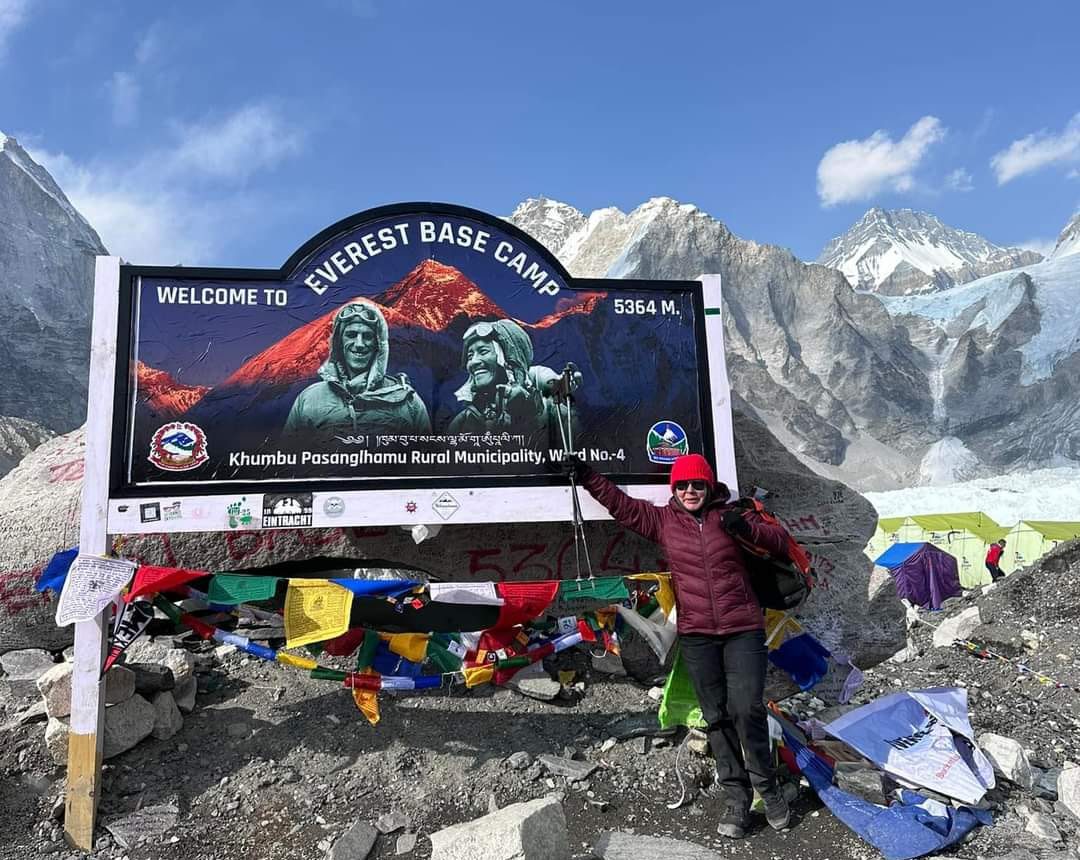
Day 11: Trek to Everest Base Camp (5,364 m) and then Back to Gorak Shep (5,164 m)
Day 12: Hike to Kala Patthar (5,555 m) and then, descend to Pheriche (4,240 m)
Day 13: Trek to Namche Bazaar (3,440 m) from Pheriche
Day 14: Trek to Lukla (2,840 m) from Namche Bazaar
Day 15: Flight Back to Kathmandu from Lukla
Dreaming of Everest? Whether you’re chasing adventure, craving a cultural escape, or just looking to cross this iconic destination off your list, there’s a perfect trek waiting for you. Not everyone has the same schedule, fitness level, or travel style — and that’s exactly why these alternative routes exist. If you’re looking for something a little shorter, easier, or completely out of the box, these handpicked experiences will still leave you breathless (in the best way).
1.Everest Panorama Horse Ride Trek (4 Days)
2.Everest View Trek (7 Days)

You must obtain a few licences, including the Khumbu Rural Municipality Permit and the Sagarmatha National Park Entry Permit. We will be prepared with every permit required for the trek with the information you provide to ensure easy-going trekking.
No, the EBC trek doesn’t require special training. However, past trekking experiences and proper physical fitness can be very beneficial for the EBC trek with Gokyo Lakes as high-altitude trekking can be a challenge for the normal trekkers.
The trek can be a bit challenging through Gokyo Lakes as you have to spend a longer period trekking in higher altitudes compared to the Classic route. The trekking days are extensively more compared to the classic EBC trek.
The trek can be a bit challenging through Gokyo Lakes as you have to spend a longer period trekking in higher altitudes compared to the Classic route. The trekking days are extensively more compared to the classic EBC trek.
Basic telecommunication is mostly available throughout the journey but proper internet services are a bit difficult to find throughout the way. The hotels and guesthouses in lower regions such as Namche and Phakding provide internet services while it is rare in higher regions.
You are advised to wear thick woollen clothes and trekking boots with all the necessary gear required to protect you from challenging weather and terrain. You are recommended to wear thick and protective clothes even while trekking as cold winds can have an effect on your health in high altitudes.
The trekking days to reach The Everest Base Camp Trek via Gokyo Lakes normally last 12 days to 19 days. The package we provide is for the 17-day exciting thrill of reaching the Everest Base Camp with Gokyo Lakes.
Yes, there is the possibility of a flight to Lukla getting canceled and delayed a few times while on the EBC trek. To ensure your safety, the flight only takes off with proper weather clearance with normal winds. Flight delay is often due to high altitude, bad winds, and some technical issues.