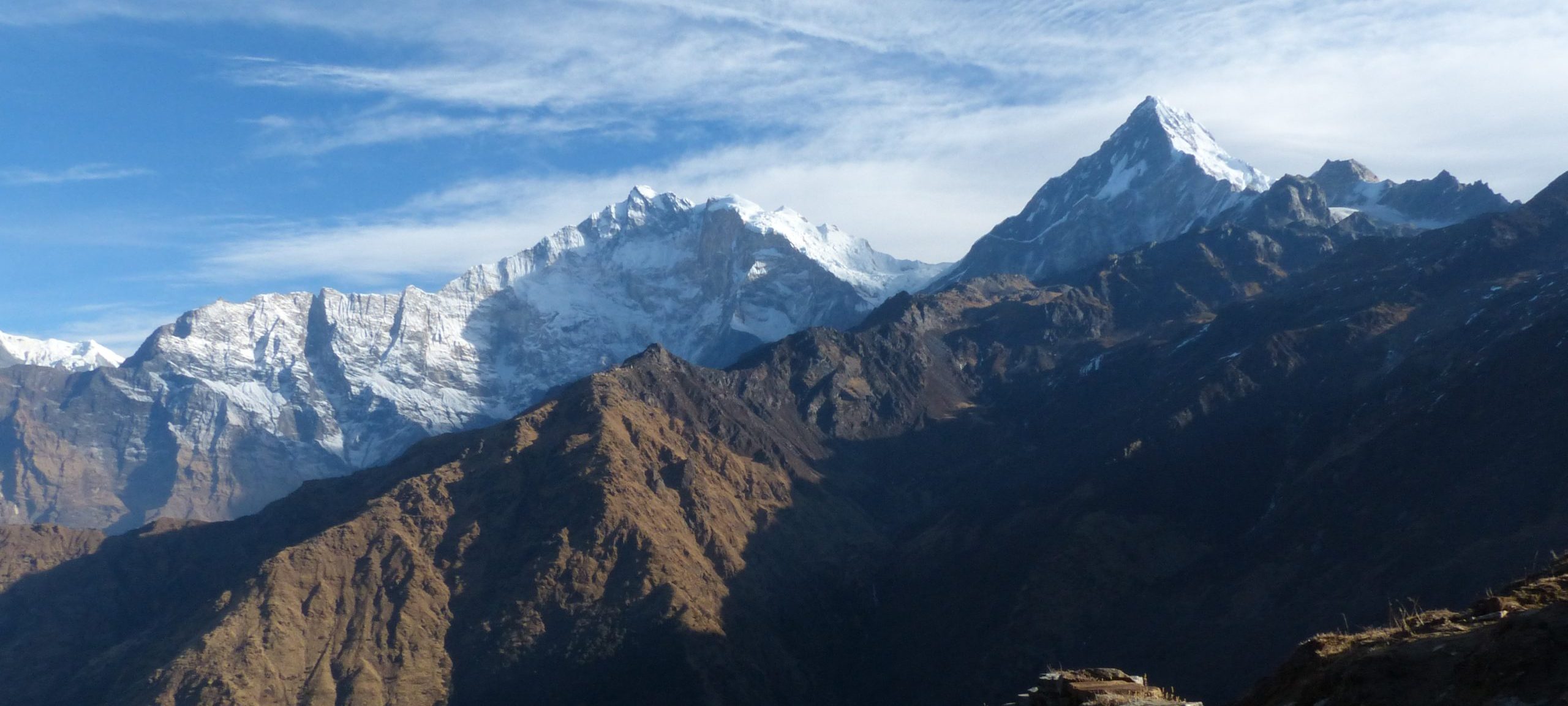
The Tamang Heritage Trek is a culturally rich journey that offers travelers a rare glimpse into the traditional life of the Tamang people, the indigenous inhabitants of Nepal’s Langtang region. […]
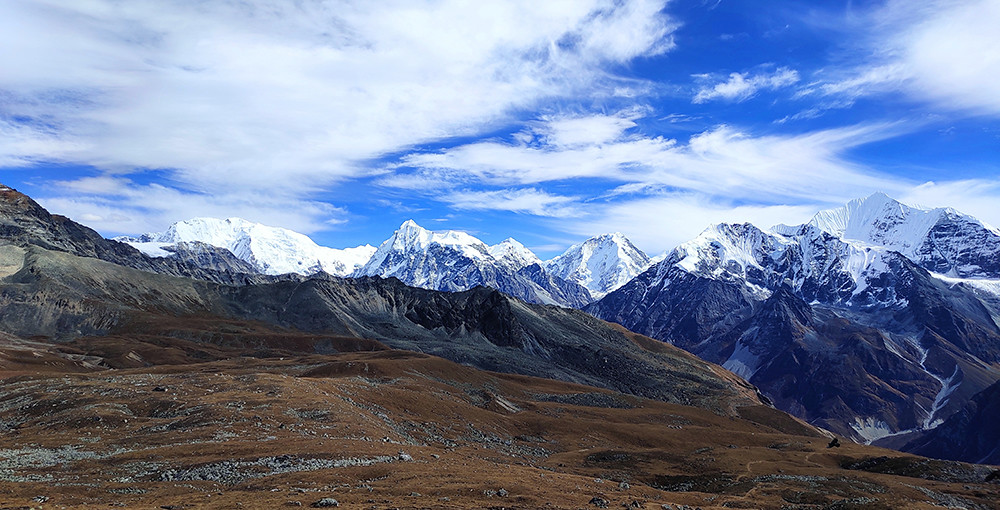
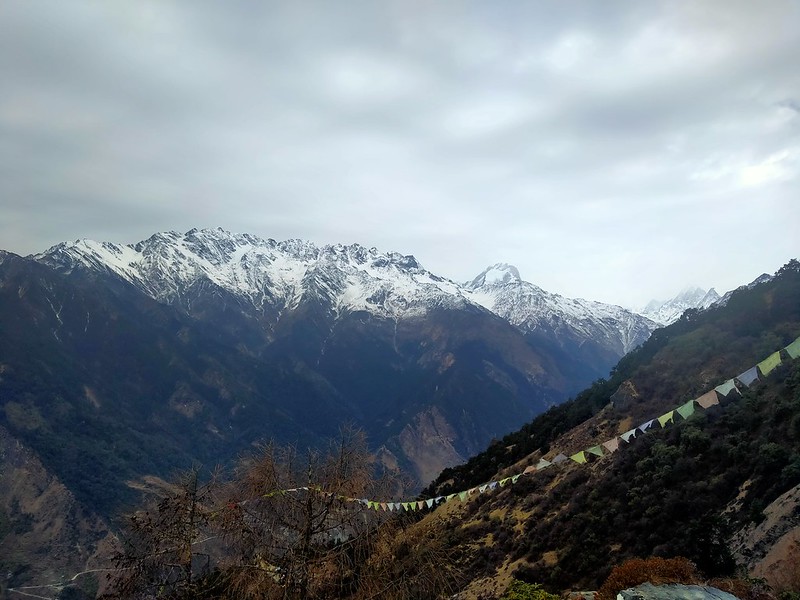
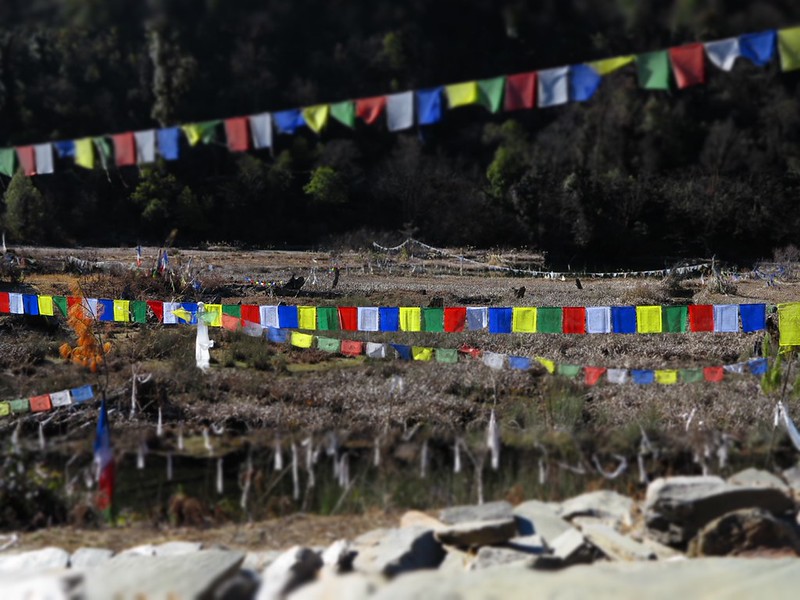
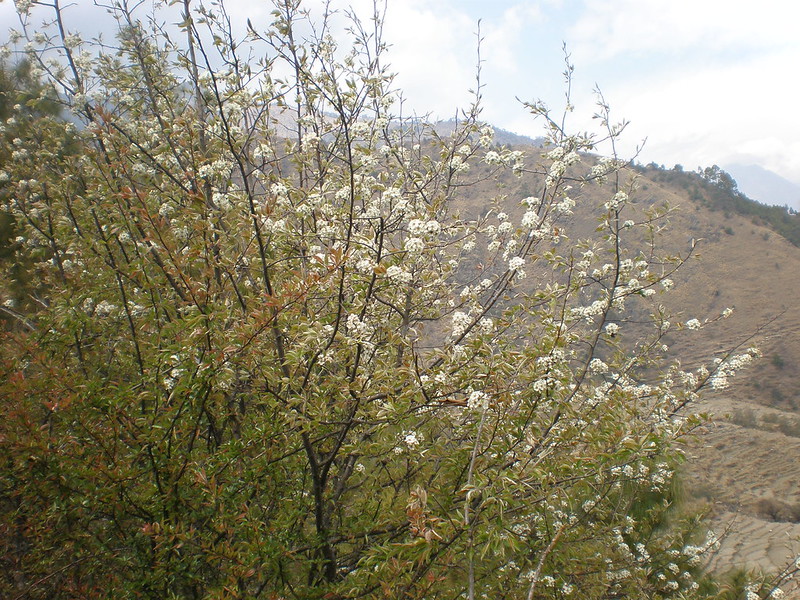
The Tamang Heritage Trek is a culturally rich journey that offers travelers a rare glimpse into the traditional life of the Tamang people, the indigenous inhabitants of Nepal’s Langtang region. This recently developed trekking route lies between Mount Langtang and the Ganesh Himal range, just north of the Kathmandu Valley, making it one of the most easily accessible cultural treks in Nepal.
Langtang is a region of ancient Tibetan monasteries, lush rhododendron and bamboo forests, dramatic waterfalls, sacred alpine lakes, and towering snow-covered peaks. The peaceful Himalayan environment reflects both natural beauty and spiritual tranquility, creating a truly rewarding trekking experience.
Along the trail, trekkers enjoy spectacular views of mountains such as Langtang Lirung, Langtang Kerung, Chimse Danda ridge crossed by Ganja La Pass, Dorje Lakpa, Jugal Himal, Ganesh Himal, Paldor Peak, Shringi Himal, Manaslu, and the Sanjen Himal range. Beyond the scenery, the trek offers meaningful cultural encounters with the Tamang community, whose lifestyle is deeply influenced by Tibetan traditions.
The Tamang people have preserved their customs, architecture, and way of life for generations. Their welcoming nature, traditional stone-and-mud houses, intricately carved wooden balconies, ancient gompas, and monasteries add cultural depth to the journey. Trekkers visiting during festivals such as Lhosar may witness colorful cultural dances like the Syabru and Khamba, along with other traditional celebrations.
The trek begins in Syabrubesi, reached by a scenic drive from Kathmandu. From there, the trail follows a gentle ascent toward the Tibetan borderlands, passing terraced fields, tranquil valleys, and charming Tamang villages. Highlights include visits to local forts, monasteries, and traditional settlements. Toward the end of the trek, travelers enjoy a homestay experience in Briddim and can relax in the natural hot springs at Tatopani.
Overall, the Tamang Heritage Trek is a perfect combination of cultural immersion, scenic landscapes, and moderate trekking. It is an excellent choice for those seeking an authentic Himalayan experience while exploring the rich traditions of the Tamang people.
The ideal time for the Tamang Heritage Trek is autumn (October to December). During these months, temperatures are perfect for hiking, skies are clear, and views of Langtang Lirung, Ganesh Himal, and other peaks are stunning. Nights are mild, winds are minimal, and villages are lively with festivals like Dashain and Tihar.
Spring is another excellent season, with clear mornings and snow-capped mountains offering spectacular scenery. While these are the best seasons, the trek is doable year-round for those with limited schedules.
This 11-day homestay trek is moderate and suitable for anyone in good physical condition, even without prior trekking experience. The highest point is 3,156 m, with a low risk of altitude sickness. The trail has several uphill and downhill sections, providing both challenge and rewarding views of the Himalayas and rich local culture.
Preparation: Engaging in regular walking and light physical exercise before the trek will make the journey easier and more enjoyable.
Day 01: Arrival in Kathmandu
Day 02: Cultural Tour in Kathmandu
Day 03: Drive from Kathmandu to Syabrubesi
Day 04: Trek to Gatlang
Day 05: Trek to Tatopani
Day 06: Trek to Thuman [2,338m] via Nagthali
Day 07: Trek to Briddim
Day 08: Return trek to Syabrubesi
Day 09: Drive back to Kathmandu
The Tamang Heritage Trek is a fully teahouse based trek in the Langtang region. Along the trail, you will stay in simple but clean local teahouses that offer warm hospitality, basic comforts, and traditional meals. Most teahouses provide twin sharing rooms, which may or may not have attached bathrooms. Where attached facilities are not available, shared toilets and washrooms are used.
Meals are freshly prepared and mainly consist of local and Nepali dishes, along with some basic international options. As the trek goes higher, food choices become more limited due to remoteness and lack of road access. Meat is generally not available beyond Syabrubesi. Teahouses usually have a cozy dining area with a stove or heater, and facilities such as hot showers, charging for electronic devices, extra blankets, and hot or cold water are available, often at an additional cost.
Overall, while accommodation and food are simple, they are comfortable enough to ensure a pleasant trekking experience in this culturally rich and less crowded region
Travel insurance is essential for the Tamang Heritage Trek. It should cover medical expenses, helicopter rescue, emergency evacuation, trip cancellation, and lost or delayed luggage. Because the trek takes you to high altitudes and remote areas, insurance with high-altitude trekking coverage (up to at least 5,000 m) is strongly recommended. Make sure your policy also covers accidental injury, repatriation, and emergency medical treatment.
Before departure, check that your travel insurance policy includes the trekking region, duration, and activities planned. Some insurers require advance notice for high-altitude coverage, so arrange your insurance well before your trek begins.
The Tamang Heritage Trek is a cultural and scenic trek in the Langtang region of Nepal. It explores traditional Tamang villages, Buddhist monasteries, terraced fields, and offers views of Langtang Lirung and Ganesh Himal.
A guide is recommended for cultural insights, navigation, and safety, especially in less-traveled areas.
6. What kind of accommodation is available?
Basic teahouses and lodges in villages along the trail. Comfortable rooms with bedding are available, but facilities are simple.
The trek reaches a maximum of around 3,000–3,500 m (Thuman), so altitude sickness is rare, but acclimatization and hydration are important.
Yes, if they have moderate fitness, but the trek involves walking on uneven trails and uphill sections.
Yes, local teahouses serve Nepali and Tibetan food. Carry snacks for energy between meals.
The trek usually starts from Syabrubesi, accessible by a 6–8 hour drive from Kathmandu.
12. What are the highlights of the trek?