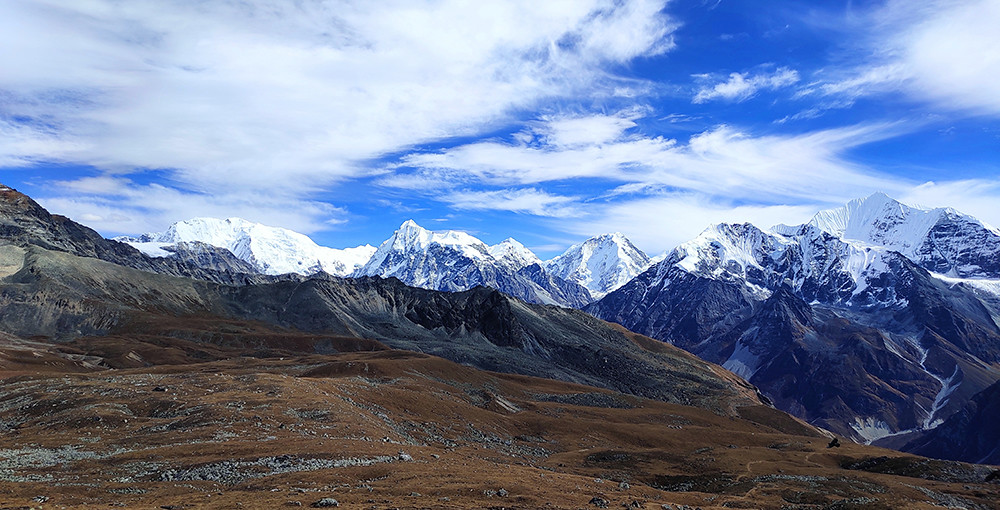
The Langtang Family Adventure with Chitwan National Park is a carefully designed 14-day journey combining the majesty of the Himalayas with the richness of Nepal’s wildlife and culture, making it […]
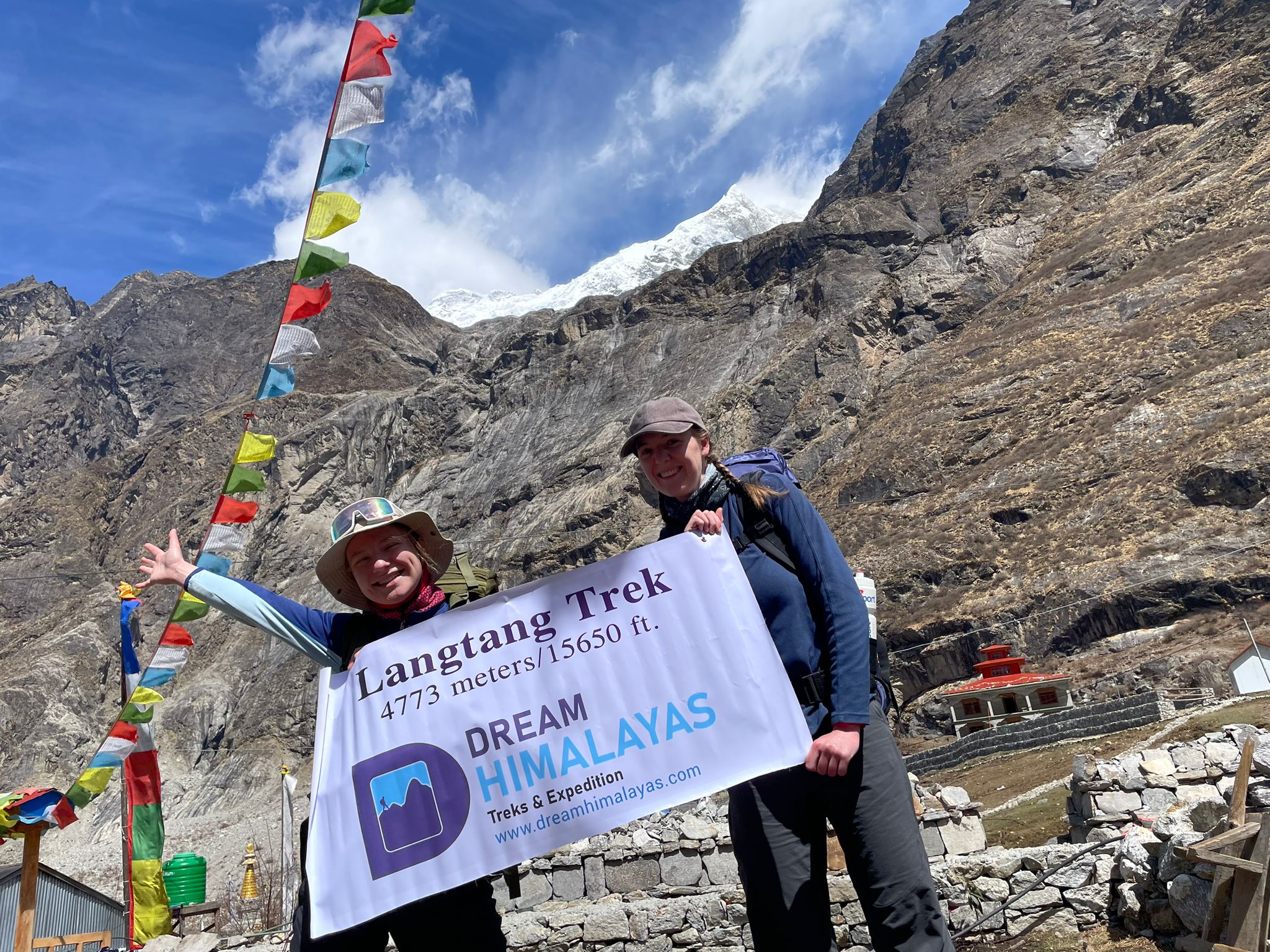
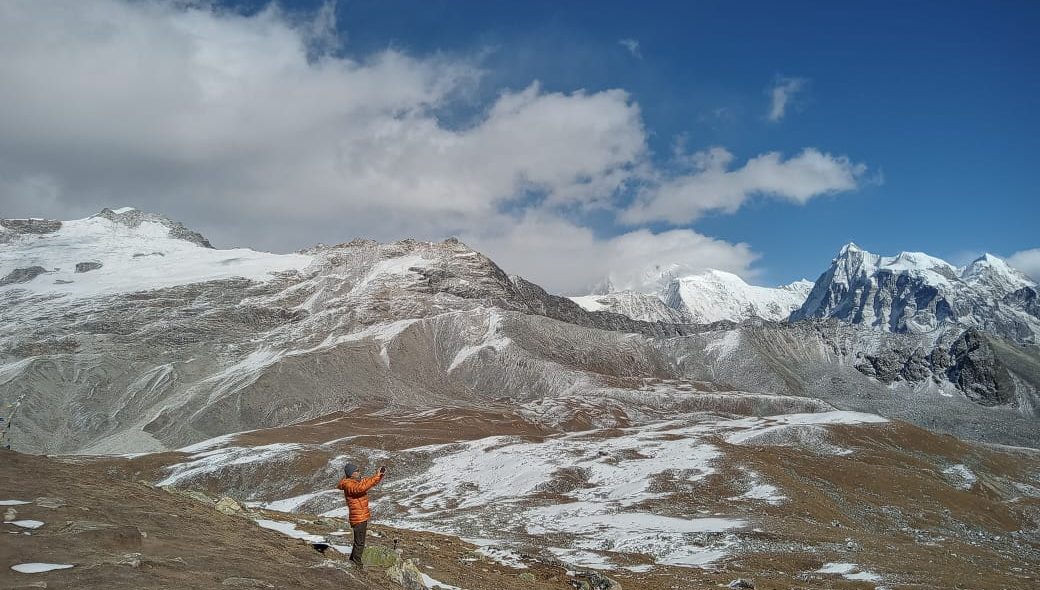
The Langtang Family Adventure with Chitwan National Park is a carefully designed 14-day journey combining the majesty of the Himalayas with the richness of Nepal’s wildlife and culture, making it ideal for families seeking both adventure and comfort. The trek begins in the Langtang region, where you’ll explore the stunning Langtang Valley, dotted with traditional Tibetan-style villages, terraced fields, pine and rhododendron forests, and sparkling streams. Families will have the chance to witness breathtaking Himalayan panoramas, with the highlight being Kyanjin Gompa at 3,870 meters, a charming high-altitude village and cultural center surrounded by snow-capped peaks.
Along the way, trekkers can immerse themselves in local culture, visiting monasteries, stupas, and interacting with friendly villagers. This trek also emphasizes safety and accessibility, with professional guides ensuring that families navigate the trails comfortably while enjoying educational insights into local history, culture, and ecology. Optional porters allow adults and children alike to trek freely without carrying heavy loads, enhancing the overall experience.
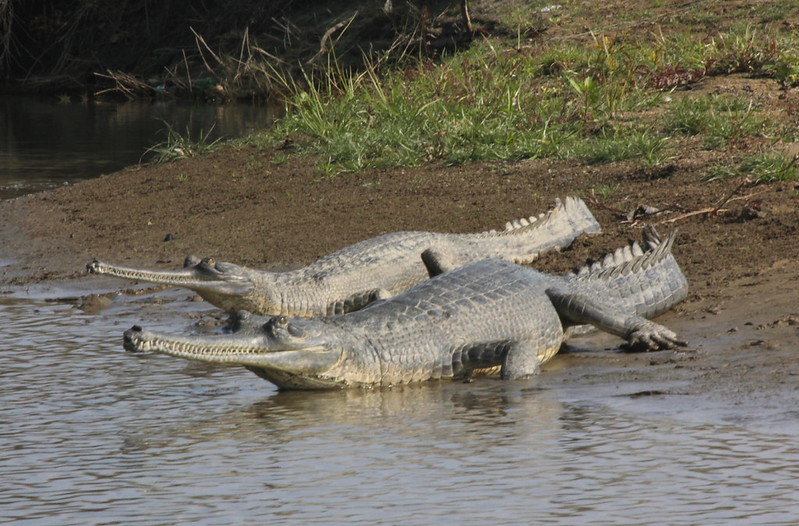
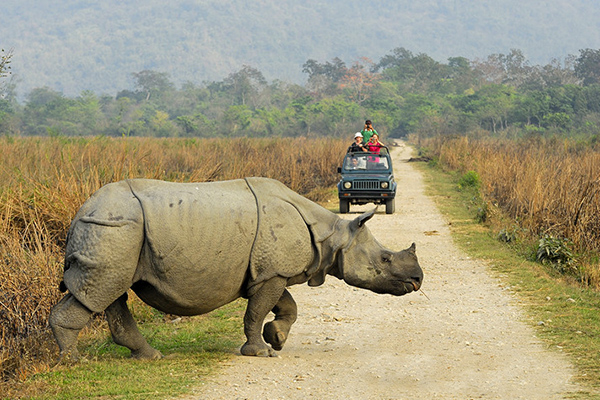
After descending from the mountains, the adventure shifts to Chitwan National Park, offering a completely different yet equally fascinating environment. Here, families can enjoy wildlife safaris, canoe rides, and jungle walks, spotting elephants, rhinos, crocodiles, monkeys, and hundreds of bird species in their natural habitat. The park also provides a window into the rich Tharu culture, with opportunities to enjoy traditional performances, local cuisine, and village life.
Accommodations along the way are comfortable and family-friendly, ranging from cozy mountain lodges with shared or private bathrooms in Langtang to modern jungle lodges with hot showers and fully furnished rooms in Chitwan. Meals are hearty and diverse, featuring Nepalese, Tibetan, Indian, and Western cuisine, ensuring both adults and children are well-fed and energized for their activities.
The trek is suitable for families of all ages, with careful attention given to physical preparation, acclimatization, and gradual elevation gain, making it accessible even for children and older travelers. Travel insurance and trekking permits are mandatory, providing added peace of mind, while guides handle all logistics, safety, and emergency support, ensuring a smooth and enjoyable adventure.
Overall, this 14-day Langtang and Chitwan adventure offers an unforgettable mix of high-altitude trekking, cultural immersion, and jungle exploration, allowing families to experience Nepal’s incredible landscapes, wildlife, and heritage in one seamless and memorable journey.
The Langtang Family Adventure with Chitwan National Park is thoughtfully designed for families, offering an unforgettable journey through the towering Himalayas and the lush lowlands of Nepal. Perfect for families with young children and senior members, this 14-day trip balances adventure, culture, and comfort. Here’s why this journey could be the perfect choice for your next family adventure.
In the Langtang Valley, the Tamang people thrive, preserving centuries-old traditions, festivals, and Tibetan Buddhist practices despite modern influences. During your trek, you’ll experience festivals such as Lhosar, Buddha Jayanti, and Chyamgi Puja, and explore the unique Tamang way of life.
Meanwhile, Chitwan National Park introduces you to the Tharu community, known for their traditional stick dances, rituals, and close connection with nature—offering a stark contrast to Himalayan highland traditions.
Additionally, you’ll meet a Tibetan refugee community in Langtang, practicing Tibetan Buddhism, crafting handicrafts, and contributing to tourism. This adventure goes beyond hiking—it’s a journey into Nepal’s vibrant cultural tapestry.
Your itinerary takes you through Langtang National Park, established in 1976, spanning 1,719 km² and ranging from 1,000 m to 7,234 m. Home to rare Himalayan species like musk deer, Himalayan black bears, Himalayan tahr, and snow leopards, the park offers incredible wildlife experiences in their natural habitat.
After exploring Langtang, venture into Chitwan National Park, a UNESCO World Natural Heritage Site covering 952.63 km². Here, enjoy jeep or elephant safaris, jungle walks, and birdwatching, spotting endangered animals such as elephants, one-horned rhinoceroses, Bengal tigers, sloth bears, and wild boars. Once a royal hunting ground, Chitwan now immerses families in wildlife and local Tharu culture.
One of the highlights is a side hike to Kyanjin Ri, offering awe-inspiring panoramic views of peaks like Langtang Lirung, Langshisha Ri, Dorje Lakpa, Ganchenpo, and Yala Peak. The summit, decorated with fluttering prayer flags, is a peaceful spot to relax and capture memories.
The trails pass through dense forests of oak, rhododendron, and maple, and charming Tamang settlements such as Lama Hotel, Langtang Village, and Kyanjin Gompa, making every step of the journey a discovery.
At Kyanjin Gompa, visit a traditional yak cheese factory, where the Tamang people make cheese using age-old methods. Taste the freshly made cheese for a delicious, hands-on cultural experience.
The trek also brings you close to stunning glaciers, including Langtang, Yala, Kimshung, and Naya Kang. A short excursion to Langtang Glacier offers serene surroundings and crystal-clear ice formations—perfect for family photos and gentle exploration with kids or elders.
The trek is rated easy to moderate, with well-maintained trails and comfortable teahouses. While reaching Kyanjin Ri at 4,773 m may challenge some, the itinerary includes acclimatization days, and our expert guides ensure a smooth, safe trek.
This 14-day itinerary is carefully structured for gradual ascents, making it ideal for families, first-time trekkers, and all age groups. Road access to Syabrubesi, the trekking start point, adds extra convenience.
The trek covers approximately 70 km over six days, averaging 10 km per day. Here’s the breakdown:
The cost depends on your choices of route, guide, porter service, food, accommodation, and extra services. Typically, the package covers:
Excluded: international airfare, travel insurance, Nepal visa fees, and optional expenses like drinks, Wi-Fi, or hot showers.
Adventure Treks Nepal is trusted by hikers for safe, enjoyable, and well-organized journeys. We offer:
With us, yourLangtang Family Adventure with Chitwan National Park becomes a hassle-free, memorable family journey. Contact us via WhatsApp or email to start planning.
Day 1: Arrival in Kathmandu
Day 2: Kathmandu sightseeing and trek preparation
Day 3: Drive to Syabrubesi (1,470 m)
Day 4: Trek to Lama Hotel (2,350 m)
Day 5: Trek to Langtang Village (3,307 m)
Day 6: Acclimatization and local exploration
Day 7: Trek to Kyanjin Gompa (3,870 m)
Day 9: Trek back to Lama Hotel (2,350 m)
Day 10: Trek back to Syabrubesi (1,470 m)
Day 11: Drive back to Kathmandu (1,350 m)
Day 12: Drive to Chitwan National Park (165 m)
Day 13: Jungle safari and activities in Chitwan
Day 14: Return to Kathmandu and departure
For every journey in Nepal, including the Langtang Family Adventure with Chitwan National Park (14 Days), trekking permits and travel insurance are mandatory. Trekkers need permits like the TIMS (Trekkers Information Management System) card, Langtang National Park entry permit, and Chitwan National Park entry permit.
These permits are not just bureaucratic requirements—they ensure your safety and the sustainability of tourism in Nepal. The government uses the permits to track trekkers along their itineraries, making rescues easier if someone gets lost or injured. The fees collected help maintain trekking trails, improve local infrastructure, support national park conservation, and strengthen security measures for visitors.
Travel insurance adds another layer of protection. It covers unexpected events such as medical emergencies, lost or stolen belongings, and even helicopter evacuations if needed, ensuring you don’t have to pay out-of-pocket for costly services in remote areas.
After the 2015 earthquake, villages in Langtang, including Langtang Village, are steadily recovering. Thanks to its proximity to Kathmandu, transportation and logistics are convenient, and family-friendly lodges and restaurants provide warm hospitality along the way.
Accommodations along the trail are typically comfortable and basic, including twin beds, blankets, shared bathrooms, and simple furniture. In higher-altitude locations like Kyanjin Gompa (3870 m), you may find slightly upgraded lodging with direct bathroom access.
Meals are hearty and nourishing, with dishes such as Dal Bhat, momo, chowmein, thukpa, omelets, and pancakes. As you descend to the Chitwan National Park lowlands, modern lodges offer Western cuisine, traditional Tharu dishes, and fresh fruits, salads, and desserts. You can choose from budget lodges, mid-range, or high-comfort sustainable resorts, all providing safe and cozy accommodation with hot showers.
A guide is mandatory for trekking in Nepal, including the Langtang Family Adventure with Chitwan National Park. Solo trekking is no longer permitted. A professional guide ensures your safety, assists with navigation, manages logistics, and handles emergencies like altitude sickness or injuries. Guides also share insights about local culture, history, and languages.
Hiring a porter is optional but highly recommended. Porters allow you to trek comfortably without carrying heavy loads, enhancing your overall experience while supporting the local economy.
Proper preparation is key to enjoying this family-friendly adventure. Here’s how you can prepare:
The highest point of the trek is Kyanjin Gompa at 3,870 meters (12,697 feet) in the Langtang region. It offers stunning Himalayan views and a taste of high-altitude trekking.
No, tap water in Langtang is not safe for drinking. It is recommended to use water purification tablets, filters, or boil water before consumption. Carry a high-quality reusable water bottle.
Wi-Fi is limited and generally only available at some lodges in larger villages such as Syabrubesi or Kyanjin Gompa, and the speed may be slow. It’s best to rely on mobile data or enjoy offline activities during the trek.
No, a guide is mandatory for trekking in Langtang, as solo trekking is no longer permitted. A guide ensures your safety, helps with navigation, and manages logistics throughout the journey.
The best trekking seasons are spring (March–May) and autumn (September–November), when the weather is stable, skies are clear, and mountain views are spectacular.
Your guide is trained to handle medical emergencies, including altitude sickness, injuries, or minor illnesses. Travel insurance is essential to cover costs like hospitalization or helicopter evacuation if needed.
Yes, the trek offers family-friendly lodges and guesthouses, including rooms with twin beds, shared or private bathrooms, and hearty meals suitable for all ages.
You’ll enjoy Nepalese, Tibetan, and Western cuisine, including Dal Bhat, momo, chowmein, thukpa, pancakes, omelets, and fresh fruits. In Chitwan, lodges offer more modern and varied dishes, including Tharu specialties and Indian cuisine.
Yes, the jungle section requires lightweight clothing, insect repellent, comfortable shoes, and a hat. For Langtang, bring warm layers, trekking boots, and waterproof gear for high-altitude conditions.
Yes, you can extend your adventure with cultural tours, sightseeing, or adventure activities in and around Kathmandu. Your travel agent can help arrange extra days and activities.