

Introduction
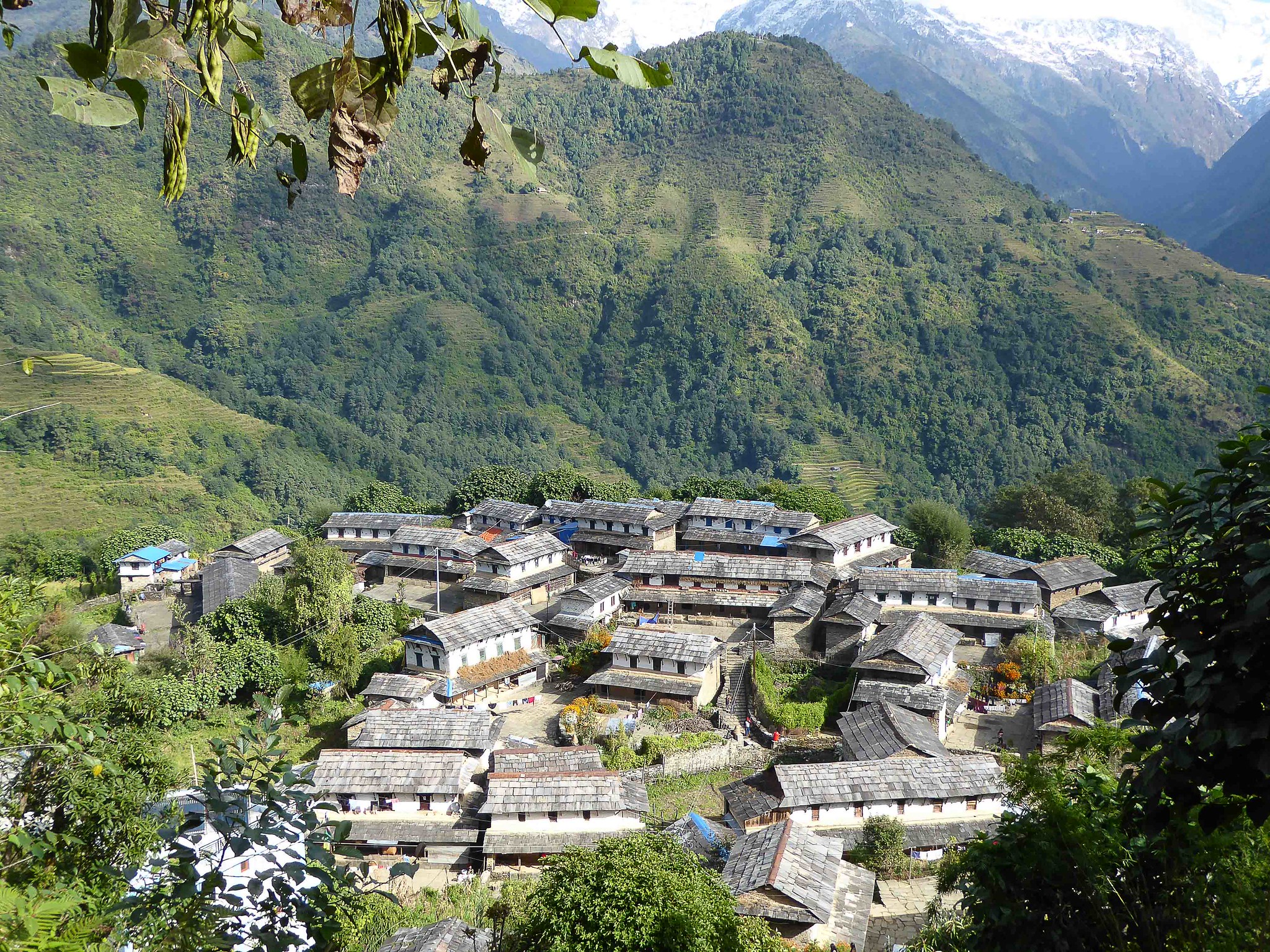
Ghandruk is a charming village nestled in Nepal’s Annapurna region at an altitude of approximately 2,010 meters. Unlike the bustling cities of Pokhara and Kathmandu, it offers a serene retreat amid the Himalayan mountains. The village is renowned for its spectacular views of the Annapurna and Machapuchare ranges, with Annapurna I soaring to 8,091 meters and Machapuchare (Fishtail) reaching 6,993 meters, both capped with glistening snow that creates a breathtaking backdrop.
Predominantly inhabited by the Gurung community, Ghandruk provides an authentic glimpse into their rich cultural heritage and warm hospitality. Traditional stone houses, narrow lanes, and quaint streets reflect classic Gurung architecture. Small shops, cozy teahouses, and lodges cater to trekkers passing through on the Annapurna trekking routes. Cultural highlights, including the Gurung Museum, showcase the community’s history, crafts, and traditions.
Thanks to its elevation, Ghandruk experiences moderate weather. Summers are pleasantly warm, while winters are chilly, occasionally dusted with snow. Agriculture remains a primary livelihood, with locals cultivating maize, millet, and potatoes. Combining natural beauty, cultural richness, and trekking convenience, Ghandruk is an ideal destination for travelers seeking a peaceful Himalayan experience.
Highlights of Ghandruk
Breathtaking Mountain Views
Every corner of Ghandruk offers spectacular views of Annapurna South, Hiunchuli, and Machapuchare (Fishtail Peak). Sunrises and sunsets here are truly unforgettable.
Authentic Homestays & Tea Houses
Experience genuine Gurung hospitality by staying in local homestays. Enjoy traditional dishes like dhido, gundruk soup, and sel roti while immersing yourself in village life.
Trekking Gateway
Ghandruk serves as a hub for popular treks, including:
- Annapurna Base Camp (ABC) Trek
- Ghorepani Poon Hill Trek
- Short Ghandruk Loop Trek
Cultural Encounters
Discover Gurung culture through traditional dance performances, local attire photography, and guided tours that reveal the lifestyle of mountain communities.
Gurung Museum
A charming museum showcasing Gurung history, traditions, and weapons perfect for culture enthusiasts.
Where is Ghandruk Located?
Geographic Setting in the Annapurna Region
Ghandruk is a traditional Gurung village in Nepal’s Kaski district, perched on a ridge at 1,940 meters along the southern slopes of the Annapurna massif. Its strategic location provides unobstructed views of major peaks and lies between fertile lowland farms and high-altitude trekking routes, offering spectacular sunrises and sunsets year-round.
Best Time to Visit
Ghandruk can be visited almost year-round, but the best time depends on your priorities whether it’s clear mountain views, pleasant weather, or fewer crowds.
Autumn (September to November)
Autumn is widely considered the best season for visiting Ghandruk. After the monsoon rains, the skies clear up, offering breathtaking panoramic views of Annapurna South, Machhapuchhre(Fishtail), and Hiunchuli. Temperatures are comfortable for trekking, ranging from cool mornings to warm afternoons. This season also coincides with the main trekking season, so lodges and homestays are fully operational, but it can be busy with other trekkers.
Spring (March to May)
Spring is another excellent time to explore Ghandruk. The rhododendron forests along the trails bloom in vibrant red and pink, adding stunning colors to the landscape. Weather is generally warm and clear, making it ideal for trekking and photography. The village feels lively, but it’s slightly less crowded than autumn.
Winter (December to February)
Winter in Ghandruk is cold, especially in the mornings and evenings, with temperatures often dropping below freezing. The skies are generally clear, so mountain views are still spectacular. This season is suitable for trekkers who enjoy peaceful trails and solitude, but proper winter gear is essential.
Monsoon (June to August)
The monsoon season brings heavy rainfall, making trails slippery and sometimes dangerous. Landslides can occur, and visibility may be limited due to clouds and fog. However, the landscape is lush and green, and if you don’t mind the rain, it can be a serene, off-season experience with fewer tourists.
How to Reach Ghandruk
Ghandruk, a charming Gurung village in the Annapurna region, is easily accessible from Pokhara. Travelers can reach the village either by road or on foot, depending on their preference for convenience or adventure.
By Road
You can drive to Ghandruk from Pokhara or Nayapul. Local jeeps or private vehicles can take you most of the way, but the village itself is car-free, so a short walk is required once you reach the outskirts. This is a convenient option for visitors who prefer a relaxed journey.
By Trekking
For trekking enthusiasts, Ghandruk is an important stop on several popular trails. Trekking offers the added benefit of scenic views, forested paths, and cultural immersion along the way. Some notable trekking routes passing through Ghandruk include:
Ghorepani–Poon Hill Trek
Ghandruk is the final stop on this classic trek. Trekkers often spend a night here before returning to Pokhara. To explore the village fully including its museum and temples the trek can be extended to allow additional sightseeing.
Short Annapurna Base Camp Trek
On this trek, Ghandruk serves as the first day’s resting point. Trekkers typically start from Nayapul and hike approximately three hours to reach the village, where they stay overnight in a lodge or homestay. This stop provides an opportunity to acclimatize and enjoy the stunning mountain views before continuing toward Annapurna Base Camp.
How Challenging is the Trek to Ghandruk?
The trek to Ghandruk is considered easy, making it ideal for families and those planning a short holiday. Its short distance and duration allow most visitors to reach Ghandruk in about three hours from Nayapul. Along the way, trekkers can enjoy the stunning landscapes of the Annapurna Conservation Area and soak in breathtaking Himalayan views, making the journey both accessible and rewarding.
Cultural and Natural Highlights of Ghandruk Village
Ghandruk Village, perched gracefully in the Annapurna region, offers a unique blend of cultural richness and natural beauty that makes it a must-visit destination for trekkers and travelers alike. The village is predominantly inhabited by the Gurung community, one of Nepal’s most prominent ethnic groups. Their traditions, lifestyle, and warm hospitality create an immersive cultural experience for visitors.
Cultural Highlights:
Walking through the stone-paved lanes of Ghandruk, visitors are immediately struck by the traditional Gurung architecture. Most houses are made of stone with slate roofs, and many display intricately carved wooden windows that reflect centuries of local craftsmanship. Staying in a homestay with a Gurung family allows travelers to experience daily life firsthand, from cooking traditional meals to participating in local rituals. Guests can try dishes such as dhido, gundruk soup, and sel roti, all made from locally sourced ingredients. The village is also home to small monasteries and temples, where visitors may witness local religious practices, festivals, and traditional dances, providing a deeper understanding of Gurung spiritual and cultural life.
Natural Highlights:
Ghandruk is a paradise for nature lovers, offering panoramic views of some of the most iconic Himalayan peaks. Annapurna South, Hiunchuli, and the majestic Machhapuchhre (Fishtail) dominate the skyline, creating breathtaking sunrise and sunset vistas. The surrounding landscapes are rich in terraced fields, lush forests, and cascading waterfalls, making the trek to the village as captivating as the destination itself. The village lies within the Annapurna Conservation Area, home to diverse flora and fauna. Birdwatchers can spot species such as the Himalayan monal, while nature enthusiasts can explore trails lined with rhododendrons, oaks, and pine forests.
Additionally, Ghandruk serves as a hub for several trekking routes, including the Ghorepani Poon Hill trek. Along these trails, travelers can enjoy serene rivers, quaint suspension bridges, and scenic viewpoints that highlight the harmonious coexistence of human settlements and nature. Each step offers opportunities to photograph stunning landscapes or simply absorb the tranquility of the mountains.
In summary, Ghandruk Village is a destination where culture and nature intertwine seamlessly. From the warm smiles of the Gurung people and their rich traditions to the awe-inspiring Himalayan panoramas and serene forests, Ghandruk provides a complete sensory experience for anyone seeking both adventure and cultural immersion in the heart of Nepal.
Things to Do in Ghandruk Village
In Ghandruk, visitors can wander along charming stone pathways, explore traditional homes adorned with flower pots, and soak in the peaceful village atmosphere. Early mornings and evenings offer breathtaking views of the surrounding mountains, perfect for sunrise and sunset moments. Stop by the Gurung Museum to discover the rich history and customs of the Gurung community. Capture the essence of village life through photography, stroll through nearby forests, and engage with locals to observe their traditional practices up close.
Mountain Views from Ghandruk
Ghandruk offers stunning, unobstructed views of iconic peaks such as Annapurna South, Machhapuchhre (Fishtail), and Hiunchuli. Sunrise and sunset cast a magical glow on the mountains, making them a favorite spot for photographers and trekkers alike.
Travel Tips for Visiting Ghandruk
- Wear comfortable shoes for navigating stone paths.
- Dress modestly and respect local customs.
- Carry cash, as ATMs are unavailable in the village.
- Bring warm clothing during winter and early spring.
- Keep a water bottle and some snacks handy for short walks or hikes.
Accommodation in Ghandruk Village
Ghandruk offers a variety of lodging options, ranging from simple tea houses to traditional homestays. Most accommodations provide clean, modest rooms with basic amenities such as warm blankets, mattresses, and sometimes hot water, especially during peak trekking seasons. Staying in a homestay is a particularly enriching experience, as it allows visitors to immerse themselves in the local Gurung culture. Guests can interact with the family, observe daily life, and enjoy home-cooked meals made from locally sourced ingredients.
Tea houses are another popular option for trekkers. These establishments typically offer shared or private rooms, along with meals like dal bhat, noodles, and soups. While facilities are basic, the hospitality is warm and welcoming, making the stay comfortable and memorable.
During the high trekking season from September to November and March to May it is recommended to book accommodations in advance. This ensures availability and allows visitors to choose their preferred style of lodging. Overall, Ghandruk provides a cozy and authentic experience for trekkers, balancing comfort with the charm of a traditional mountain village.
Food in Ghandruk Village
Ghandruk offers simple, fresh, and hearty food, mostly influenced by the local Gurung culture. Meals here are designed to be filling for trekkers and travelers who need energy for long days of walking and exploring.
Popular local dishes include:
- Dal Bhat – A traditional Nepali meal consisting of steamed rice, lentil soup, and vegetable curry. It is often served with pickles and sometimes meat. This is the staple food and provides balanced nutrition for trekkers.
- Gundruk Soup – Made from fermented leafy greens, this soup has a slightly tangy taste and is rich in flavor. It’s a favorite during colder months.
- Dhido – A traditional dough-like dish made from buckwheat or millet flour, usually served with curry or vegetables. It is highly filling and gives long-lasting energy.
- Sel Roti – A sweet, deep-fried rice flour bread, often served as a snack or breakfast item.
- Momos – Steamed or fried dumplings filled with vegetables or meat. They are a popular snack among trekkers.
Beverages in Ghandruk typically include tea, coffee, and local drinks like milky tea or ginger tea to warm you up after a day of trekking.
Most lodges and homestays prepare meals fresh, using locally sourced ingredients. Staying in a homestay allows travelers to experience authentic Gurung cuisine and sometimes participate in meal preparation, offering a unique cultural experience.
Tips for food in Ghandruk:
- The food is generally safe, but it’s advisable to drink boiled or filtered water.
- Vegetarian and vegan options are usually available, but it’s best to ask in advance.
- Portions are generous, especially at tea houses catering to trekkers.
Where is Ghandruk located?
Ghandruk is a Gurung village in Kaski District, Nepal, within the Annapurna Conservation Area.
What is the best time to visit Ghandruk?
The ideal seasons are autumn (Sept–Nov) and spring (Mar–May) for clear skies and pleasant weather.
How long is the trek to Ghandruk?
From Nayapul, the trek takes 2–3 hours, making it an easy, short trek.
Is Ghandruk trek suitable for beginners?
Yes, it’s one of the easiest treks and perfect for families and first-time trekkers.
What can I see in Ghandruk?
Breathtaking views of Annapurna South, Hiunchuli, and Machapuchare (Fishtail) mountains.
What food can I try in Ghandruk?
Local dishes include dhido, gundruk soup, sel roti, and other traditional Gurung meals.
Is there mobile network coverage?
Yes, some areas have mobile coverage, but it may be limited in remote spots.
Are there shops in Ghandruk?
Yes, there are small local shops selling snacks, drinks, and trekking essentials
Do I need a permit for trekking?
Yes, a TIMS card andAnnapurna Conservation Area Permit (ACAP) are required.
Can I do a day trip to Ghandruk from Pokhara?
Yes, it’s possible with a long day, but an overnight stay is recommended.
What wildlife can I spot?
The region is home toHimalayan birds, langurs, and occasional deer.
Are guides needed for Ghandruk trek?
Not strictly, but local guides enhance the experience and help navigate trails.
How far is Ghandruk from Pokhara?
Approximately 60 km by road, plus 2–3 hours trekking from Nayapul.
Can I combine Ghandruk with other treks?
Yes, it’s often included in Ghorepani Poon Hill and Annapurna Base Camp trek routes.
Is there accommodation other than homestays?
Yes, there are tea houses and guesthouses catering to trekkers.


