

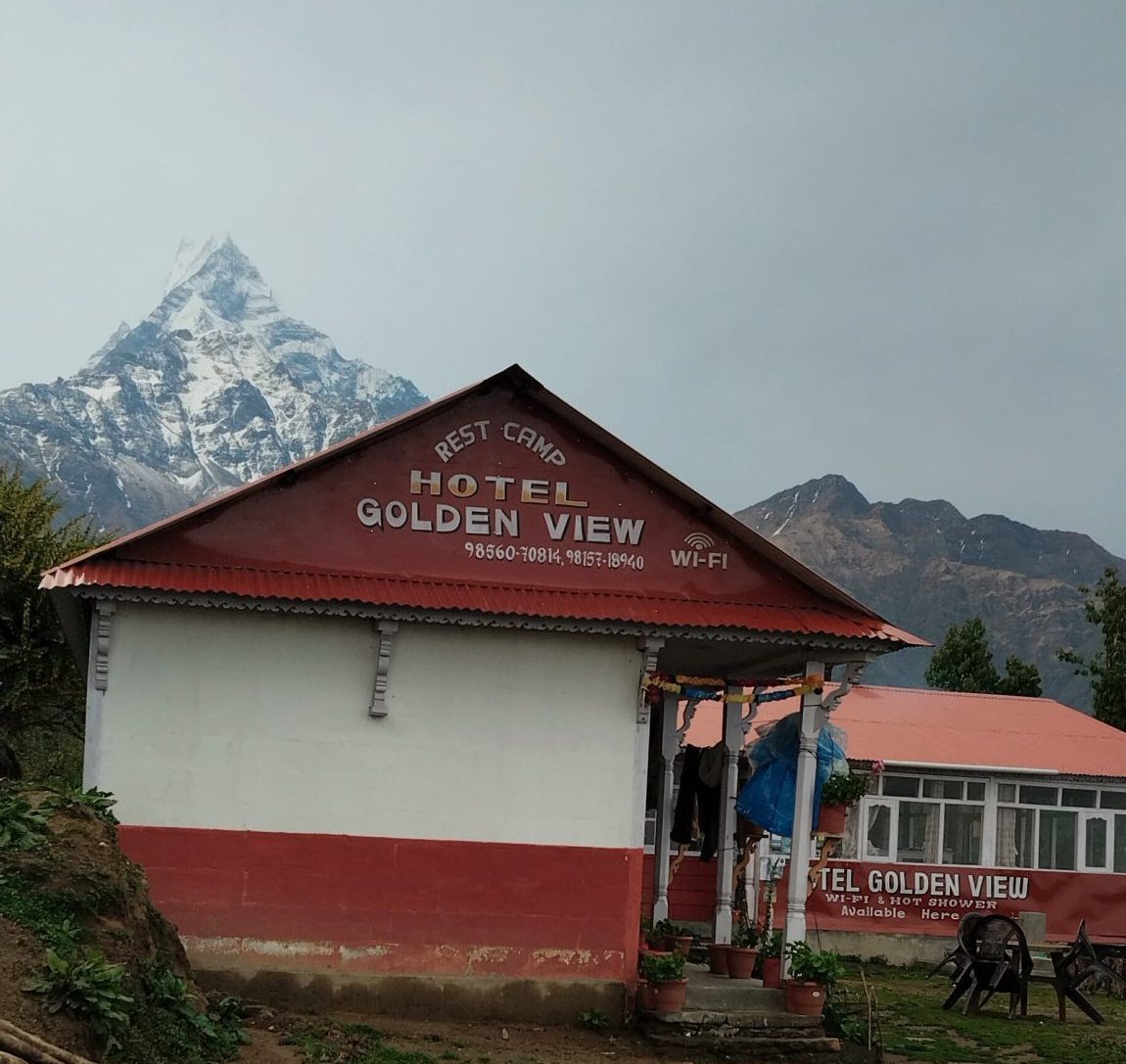
Are you ready for a tea house trekking experience that blends breathtaking mountain scenery with rich cultural encounters? Do you want to understand everything about tea house trekking in Nepal? If yes, you are in the right place.
In this article, we explain in detail about tea house trekking in Nepal, popular trekking routes, available facilities, permits, packing tips, and other essential information you need before starting your journey.
Tea house trekking is a unique way to explore the majestic Himalayas while experiencing the warm hospitality of local Nepalese communities. Along the trails, you stay in small, family-run lodges known as tea houses, where you enjoy simple accommodation, home-cooked meals, and genuine cultural interaction.
Whether you are a beginner or an experienced trekker, tea house trekking in Nepal offers a rewarding and unforgettable adventure.
What is Tea House Trekking in Nepal?
Tea house trekking in Nepal refers to trekking routes where travelers stay in local lodges (tea houses) instead of camping. These tea houses are small, family-operated accommodations located along popular trekking trails in the Himalayas.
They provide basic but comfortable facilities such as beds, meals, and a warm place to rest after a long trekking day.
This style of trekking allows you to:
- Experience authentic Nepalese culture
- Interact with local communities, especially Sherpa and Himalayan villagers
- Enjoy traditional food and hospitality
- Travel more comfortably without carrying camping equipment
Tea house trekking is also more affordable and convenient compared to camping-based trekking.
Facilities Available in Nepalese Tea Houses
Tea houses in Nepal offer simple but essential services for trekkers:
Accommodation
Rooms are usually basic with twin beds, mattresses, blankets, and pillows. Facilities are clean and comfortable, designed to rest after trekking.
Meals
Most tea houses provide freshly cooked meals, including:
- Dal Bhat (rice and lentils)
- Momos (dumplings)
- Thukpa (noodle soup)
- Pasta, noodles, pancakes, and other basic western dishes
Meals are often included or available at reasonable prices.
Hot Showers
Hot showers are available in many tea houses, usually for an extra charge. Availability may decrease at higher altitudes.
Charging Facilities
Charging for phones and cameras is available in most tea houses, but often comes with an additional fee.
WiFi
Some tea houses offer WiFi, especially on popular routes, but connections may be slow or unstable.
Common Areas
Most tea houses have dining halls or common rooms where trekkers can relax, eat, and socialize. Some also have stoves or fireplaces for warmth.
Best Time for Tea House Trekking in Nepal
The best seasons for tea house trekking in Nepal are:
Spring (March to May)
- Clear skies and stable weather
- Rhododendrons and wildflowers in bloom
- Pleasant temperatures for trekking
Autumn (September to November)
- Best mountain views
- Stable weather conditions
- Ideal trekking temperature
Seasons to Avoid
- Winter (Dec–Feb): Very cold with snow-covered trails
- Monsoon (Jun–Aug): Heavy rain, slippery trails, and landslides
Popular Tea House Trekking Routes in Nepal
Everest Base Camp Trek
One of the most iconic treks in the world, the Everest Base Camp Trek takes you through the heart of the Khumbu region. Starting from Lukla, it offers stunning views of Everest, Lhotse, and Nuptse, along with rich Sherpa culture and traditional tea house stays.
Annapurna Circuit Trek
The Annapurna Circuit Trek offers diverse landscapes, from lush green valleys to high-altitude deserts. The route provides breathtaking views of Annapurna and Dhaulagiri ranges and passes through many traditional villages with welcoming tea houses.
Annapurna Base Camp Trek
The Annapurna Base Camp Trek takes you deep into the Annapurna Sanctuary. Tea houses along the route provide simple but comfortable accommodation, allowing trekkers to enjoy close-up views of Annapurna I and Machhapuchhre.
Manaslu Circuit Trek
The Manaslu Circuit Trek is a remote and less crowded trekking route. It circles Mount Manaslu, the world’s eighth highest peak, offering a peaceful and authentic Himalayan experience with traditional tea house stays.
Langtang Valley Trek
The Langtang Trek is close to Kathmandu and offers beautiful landscapes, forests, and Tamang villages. Tea houses along the route are family-run and provide warm hospitality and basic facilities.
Mardi Himal Trek
The Mardi Himal Trek is a short and less crowded route with stunning views of Annapurna South and Machhapuchhre. Tea houses are simple but offer a cozy and welcoming atmosphere.
Fitness and Packing Tips for Tea House Trekking
Tea house trekking requires moderate fitness. Preparing a few weeks before your trek is recommended.
Fitness Tips:
- Do regular walking, running, or cycling
- Practice stair climbing
- Build stamina and endurance
- Prepare for altitude gradually
Packing Tips:
- Warm clothing layers
- Waterproof jacket
- Comfortable trekking boots
- Backpack (lightweight)
- Water bottle or hydration system
- Headlamp
- Personal medicines and basic first aid kit
Most tea houses already provide blankets and basic bedding, so avoid overpacking.
Permits Required for Tea House Trekking in Nepal
Different trekking regions require different permits:
Annapurna & Langtang Region:
- TIMS Card
- Conservation Area Permit
Manaslu Region:
- Restricted Area Permit
- Conservation Area Permit
Everest Region:
- Sagarmatha National Park Permit
- Khumbu Pasang Lhamu Rural Municipality Fee
Permits can be obtained in Kathmandu or at entry points.
(FAQs) – Tea House Trekking in Nepal
1. What is tea house trekking in Nepal?
Tea house trekking in Nepal is a popular trekking style where trekkers stay in local, family-run lodges known as tea houses along the trekking route. Instead of camping, you sleep in simple rooms, eat local food, and experience authentic Himalayan hospitality.
2. Why is tea house trekking so popular in Nepal?
Tea house trekking is popular because it is affordable, comfortable, and culturally immersive. Trekkers don’t need to carry tents or food, and they get to interact with local people while enjoying the Himalayan scenery.
3. Which trekking regions offer tea house trekking in Nepal?
Most major trekking regions offer tea house trekking, including:
Everest Region
Annapurna Region
Langtang Region
Manaslu Region
These regions have well-established trails wit
4. Do I need to book tea houses in advance?
In most cases, advance booking is not required because tea houses are available along the trail. However, during peak seasons like spring and autumn, popular areas can get crowded, so booking ahead is recommended.
5. How much does a tea house cost in Nepal?
The cost of tea houses varies depending on altitude and location. On average:
Lower regions: 500–800 NPR per night
Higher regions: 800–1500 NPR per night
Rooms are very basic but affordable for most trekkers.
6. What kind of food is served in tea houses?
Tea houses serve freshly cooked meals, including both local and international dishes such as:
Dal Bhat (rice, lentils, vegetables)
Momos (dumplings)
Thukpa (noodle soup)
Fried rice and noodles
Pancakes, eggs, pasta, and bread items
Dal Bhat is the most common and filling trekking meal.
7. Is vegetarian or vegan food available?
Yes, most tea houses offer vegetarian food, and in many places vegan options are also available. Dal Bhat, vegetables, rice, and noodles are commonly suitable for vegetarian diets.
8. Are hot showers available in tea houses?
Yes, many tea houses provide hot showers, especially in lower and mid-altitude areas. However, they are usually available for an extra fee, and at higher altitudes, availability may be limited.
9. Is WiFi available during tea house trekking?
WiFi is available in many tea houses on popular routes, but it is usually slow and may not always be reliable. Some regions charge a small fee for internet access.
10. Can I charge my electronic devices in tea houses?
Yes, charging facilities are available in most tea houses. However, you usually need to pay a small fee, especially at higher elevations where electricity is limited.
11. Are tea houses safe for foreign trekkers?
Yes, tea houses in Nepal are generally very safe for both solo and group trekkers. They are run by local families who are welcoming and used to hosting international visitors.
12. Do tea houses provide private rooms
Some tea houses offer private rooms, especially in lower elevations. However, at higher altitudes or busy seasons, you may need to share rooms with other trekkers.
13. What is the quality of accommodation in tea houses?
Tea house accommodation is simple but comfortable. Rooms usually include a bed, mattress, pillow, and blanket. Luxury is limited, but they provide everything needed for resting during the trek.
14. Do I need to carry food while trekking?
No, you do not need to carry food. Tea houses provide full meals along the trekking route, so you only need to carry snacks for energy between stops.
15. Is it necessary to carry a sleeping bag?
Yes, carrying a sleeping bag is highly recommended. Although tea houses provide blankets, they may not be warm enough at higher altitudes, especially in winter.
16. What is the best season for tea house trekking?
The best seasons are:
Spring (March–May): Clear weather, blooming rhododendrons
Autumn (September–November): Best mountain views and stable weather
These seasons offer the most comfortable trekking conditions.
17. Are tea houses open during winter?
Yes, many tea houses remain open in winter, but some high-altitude lodges may close due to heavy snowfall and extreme cold conditions.
18. Do tea houses accept credit cards?
Most tea houses only accept cash in Nepalese Rupees. Credit card facilities are not widely available in remote trekking areas.
19. Is English spoken in tea houses?
Yes, basic English is commonly spoken in popular trekking regions such as Everest and Annapurna. However, communication may be limited in remote areas.
20. Can beginners do tea house trekking in Nepal?
Yes, tea house trekking is very suitable for beginners. Many routes are designed for trekkers of all experience levels, as long as you have a moderate level of fitness and preparation.


