

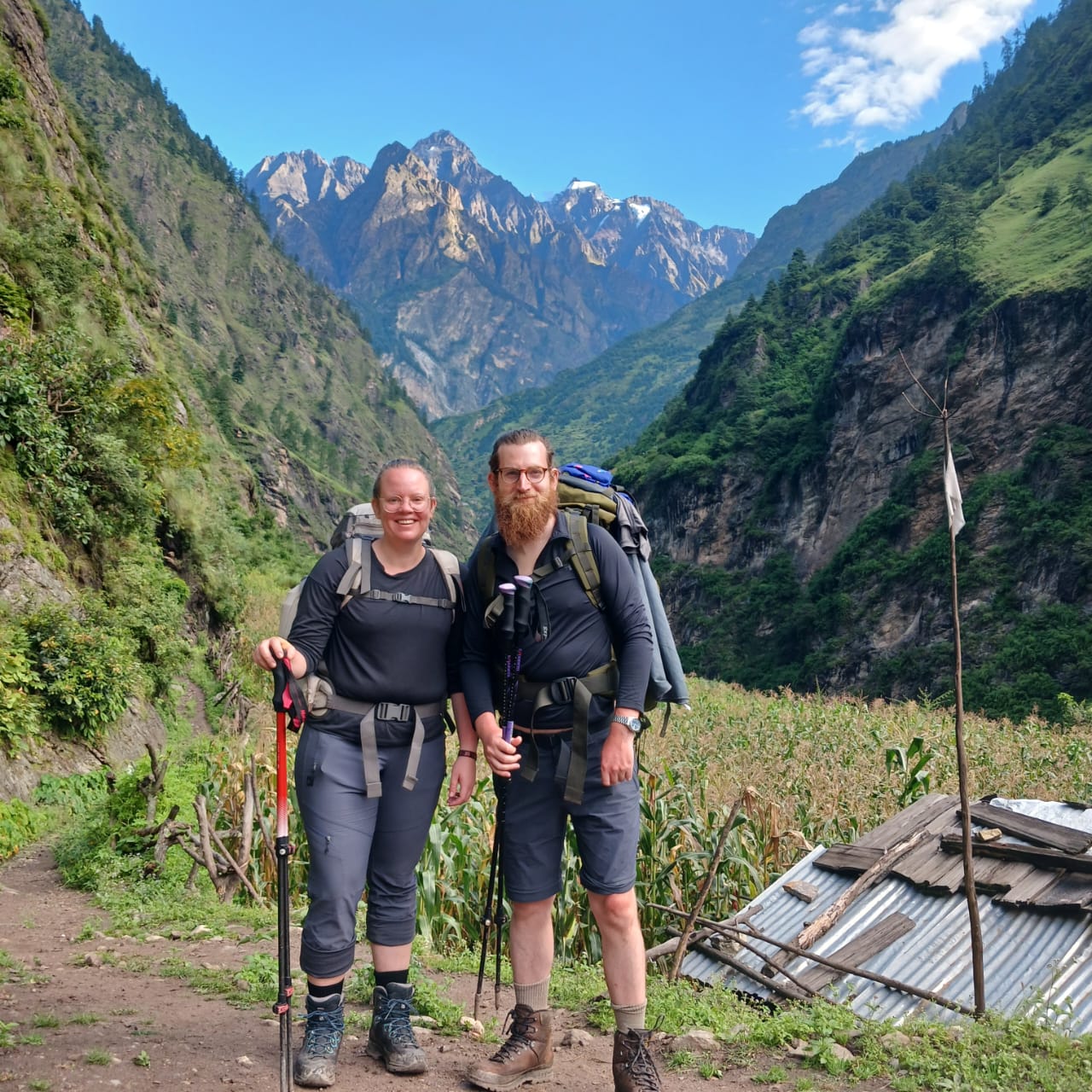
The Manaslu Circuit Trek is a demanding high-altitude adventure best suited for trekkers with good fitness levels who are prepared for long walking days in remote Himalayan terrain.
The difficulty of the Manaslu Circuit Trek is often underestimated, especially by those familiar with more developed trekking routes in Nepal. Although it does not require any technical climbing skills, it places continuous physical and mental demands on trekkers due to sustained ascents, long daily distances, high altitude, and limited infrastructure along the trail. In this region, the challenge comes more from endurance, altitude adaptation, and remoteness than from any single difficult section.
The route encircles the Manaslu region, gradually climbing into high mountain landscapes before crossing the Larkya La Pass at 5,160 meters—one of the highest trekking passes in Nepal. Unlike popular treks such as Annapurna Base Camp, the Manaslu Circuit involves spending extended periods above 3,500 meters, with fewer opportunities for rest and more basic teahouse facilities. These conditions make the journey physically taxing even for experienced hikers.
Remoteness is another key factor that increases the trek’s difficulty. The trail passes through isolated villages where services are limited compared to busier trekking regions. Walking days are often longer, recovery at altitude is slower, and weather conditions can have a stronger impact on daily progress. As a result, trekkers need to maintain a steady pace, prioritize proper acclimatization, and be mentally prepared for a less comfortable but more authentic mountain experience.
This guide presents a realistic overview of the Manaslu Circuit Trek’s difficulty. Rather than simply labeling it as hard or extreme, it breaks down the specific factors that contribute to its challenge—such as altitude, terrain, and isolation—so you can better understand what to expect and decide whether this trek is the right fit for you.
Mental Fitness for the Manaslu Circuit Trek
Completing the Manaslu Circuit Trek does not require extraordinary intelligence or elite athletic ability, but it does demand strong mental readiness. Trekkers should be prepared to handle the natural challenges that come with high-altitude hiking in a remote Himalayan environment. The difficulty level can vary from person to person, but common mental challenges include altitude sickness, long and tiring walking days, unpredictable weather, and the demanding ascent to high passes such as the Larke La Pass (5,106m).
Mental strength on this trek is about staying patient, adapting to changing conditions, and maintaining a steady mindset when the journey becomes uncomfortable. Plans may shift due to weather or trail conditions, and progress may feel slower at higher altitudes. In such moments, calmness, resilience, and consistency matter more than speed. Each trekker experiences these challenges differently, and what feels difficult for one person may be manageable for another.
Physical Preparation for the Manaslu Trek
The Manaslu Circuit Trek is a challenging high-altitude journey that demands solid physical fitness and preparation. Reaching elevations above 5,000 meters at the Larkya La Pass—higher than many other trekking routes—it requires both endurance and strength to complete safely and comfortably.
A well-rounded fitness plan should ideally begin 4 to 6 weeks before the trek. This program should focus on improving cardiovascular endurance, building muscular strength, and increasing overall flexibility.
Cardio activities such as running, cycling, swimming, and brisk walking are highly effective for improving lung capacity and stamina, both of which are essential for long trekking days in the Himalayas. Alongside this, strength training is equally important to prepare the body for steep ascents, uneven terrain, and carrying a backpack. Exercises like squats, lunges, planks, and step-ups are especially beneficial for strengthening the legs, core, and back.
Flexibility training through stretching or yoga helps improve balance and reduces the risk of injuries on rugged mountain trails. In addition, practice hikes with a loaded backpack on hilly terrain can closely simulate trekking conditions and build confidence.
Acclimatization also plays a key role in preparation. Spending a few nights at moderate altitude before starting the trek can help the body adjust more effectively to reduced oxygen levels. Proper nutrition, hydration, and adequate rest are equally important to maintain energy and performance.
With consistent physical preparation and the right mindset, trekkers can safely and confidently navigate the demanding terrain, high passes, and long walking days of the Manaslu Circuit Trek.
Altitude Difficulty in the Manaslu Circuit Trek
Altitude is one of the most demanding aspects of the Manaslu Circuit Trek, as the route climbs to 5,160 meters at Larkya La Pass. Trekkers spend several days above 3,500 meters, where oxygen levels are significantly lower, increasing the risk of Acute Mountain Sickness (AMS). The challenge becomes more noticeable after Samagaon, with gradual but steady elevation gain toward Samdo and Dharamsala. Symptoms such as headaches, fatigue, and shortness of breath can occur if the body does not acclimatize properly. However, with a well-planned itinerary, including acclimatization days, slow pacing, and proper hydration, most trekkers can safely manage the altitude and successfully complete this incredible Himalayan journey.
Best Time to Trek the Manaslu Circuit for Less Difficulty
Choosing the right season is one of the most important factors if you want to reduce difficulty and make the Manaslu Circuit Trek safer, more comfortable, and more enjoyable. The best trekking conditions are found during the pre-monsoon (spring) and post-monsoon (autumn) seasons, when the weather is stable and the trails are in better condition.
Spring Season (March to May):
Spring is considered one of the most favorable times for an easier trekking experience. The weather is generally mild, and lower-altitude trails are dry and well-maintained. As the snow begins to melt, the routes become more accessible, while the blooming rhododendron forests add beauty to the journey. Although higher sections like the Larkya La Pass may still have some snow, conditions are usually manageable with proper gear. Longer daylight hours also make it easier to complete daily walking distances at a comfortable pace.
Autumn Season (September to November):
Autumn is another excellent choice for trekking with reduced difficulty. After the monsoon, the air becomes clean and fresh, offering crystal-clear mountain views of peaks like Manaslu and Himalchuli. The trails are typically dry, stable, and less prone to landslides, making walking safer and less physically demanding. Temperatures are generally pleasant, especially during the day, allowing for steady and comfortable trekking conditions.
It is best to avoid the monsoon season (June to August) due to heavy rainfall, slippery trails, and difficult river crossings, which significantly increase risk and effort. Similarly, winter (December to February) brings extreme cold, heavy snowfall, and icy paths, making high passes like Larkya La much more challenging to cross.
Is the Manaslu Circuit Suitable for Beginners?
The Manaslu Circuit Trek is generally not recommended for absolute beginners because it is physically demanding, reaches high altitudes, and involves long trekking days in remote areas. However, with the right preparation, experienced and fit trekkers can complete it successfully.
For First-Time Trekkers
If you have never trekked before, the Manaslu Circuit is likely too challenging. The trek includes steep ascents, remote trails, and high-altitude sections that require prior experience and good stamina. It’s better to start with easier treks in Nepal to build confidence and acclimatization skills.
For Intermediate Trekkers
Trekkers with some prior hiking or high-altitude experience, good fitness levels, and proper preparation can enjoy the Manaslu Circuit. With training and the right mindset, it becomes a rewarding and unforgettable Himalayan adventure.
Best Alternatives for Beginners
If you are new to trekking in Nepal, consider easier and safer options such as:
- Annapurna Base Camp Trek
- Langtang Valley Trek
- Poon Hill Trek
These treks offer stunning mountain views and great experiences without the extreme altitude and difficulty of Manaslu.
Tips to Make the Manaslu Circuit Easier
A few smart strategies can significantly improve your trekking experience:
- Walk at a slow, steady pace to help your body adjust to altitude. Include acclimatization days, especially in places like Sama Gaun or Samdo.
- Stay well hydrated, eat warm and nutritious meals, and avoid alcohol to reduce the risk of altitude sickness.
- Hire a licensed trekking guide for safety, navigation, and emergency support.
- Start trekking early in the morning to enjoy stable weather conditions and better chances of securing good teahouse accommodation.
FAQS
1. How difficult is the Manaslu Circuit Trek overall?
The Manaslu Circuit Trek is considered moderate to challenging. It is not as commercialized as Everest or Annapurna, which means the trails are more remote and less developed. Trekkers must walk long hours (6–8 hours daily), cross high altitude passes, and deal with basic tea house facilities. The biggest difficulty comes from altitude gain and the remote nature of the region.
2. What makes the Manaslu Circuit Trek physically difficult?
The trek involves continuous uphill and downhill walking on steep, rocky, and sometimes unstable terrain. The highlight challenge is crossing Larke La Pass (5,106m). The long trekking days combined with altitude gain make it physically demanding even for fit trekkers.
3. Is prior trekking experience required for Manaslu Circuit?
Prior trekking experience is not mandatory but highly recommended. First-time trekkers can complete it if they are physically fit and well-prepared. However, having experience in multi-day treks like Annapurna Base Camp or Langtang makes the journey easier to handle.
4. How does altitude affect the difficulty of the trek?
Altitude is one of the main challenges. As you go above 3,000 meters, oxygen levels drop significantly. This can cause acute mountain sickness (AMS) symptoms such as headache, nausea, and fatigue. Proper acclimatization days are crucial.
5. How long are the walking hours each day?
On average, trekkers walk 6 to 8 hours per day, with some days reaching up to 9 hours, especially near Larke La Pass. The walking time depends on pace, weather conditions, and rest breaks.
6. Is the Larke La Pass difficult to cross?
Yes, Larke La Pass is the most difficult section of the trek. It is steep, cold, and often windy. The climb starts early in the morning, and snow conditions can make it more challenging. However, with proper pacing and acclimatization, it is achievable.
7. How remote is the Manaslu Circuit Trek
The Manaslu region is very remote compared to Everest or Annapurna. Roads are limited, and rescue facilities are not easily accessible. This remoteness increases the difficulty because trekkers must be self-sufficient and well-prepared.
8. Is the Manaslu Trek suitable for beginners?
It can be suitable for beginners with excellent fitness and strong mental preparation, but it is generally recommended for trekkers who have some prior high-altitude hiking experience.
9. How important is physical fitness for this trek?
Physical fitness is extremely important. Regular cardio training such as hiking, running, cycling, or stair climbing for at least 6–8 weeks before the trek is strongly recommended.
10. What kind of terrain will I encounter?
The terrain includes forest trails, suspension bridges, rocky paths, glacier zones, and high alpine landscapes. Some sections are narrow and exposed, which adds to the difficulty.
11. How cold does it get during the trek?
Temperatures can drop below -10°C at higher elevations, especially near Larke La Pass. Nights in upper villages are cold, even outside winter season.
12. Is altitude sickness common on this trek?
Yes, altitude sickness is fairly common due to rapid elevation gain. Proper acclimatization, hydration, and slow ascent are essential to reduce risk.
13. Are teahouses comfortable in Manaslu Circuit?
Teahouses are basic but functional. You will get simple food and lodging, but facilities like hot showers, heating, and Wi-Fi are limited or unavailable in higher villages.
14. How many days does the Manaslu Circuit Trek take?
Typically, it takes 14 to 18 days, depending on itinerary, acclimatization days, and starting/ending points.
15. Do weather conditions affect difficulty?
Yes, weather plays a major role. Rain in monsoon makes trails slippery, while snow in winter increases difficulty at higher passes. Spring and autumn are the best seasons.
16. How difficult is navigation on the trail?
Navigation is relatively straightforward with a guide, but independent trekking is restricted. A licensed guide is mandatory, which also helps reduce difficulty and safety risks.
17. Is mental strength important for this trek?
Yes, mental endurance is just as important as physical fitness. Long walking days, simple accommodation, and high-altitude discomfort require patience and determination.
18. How safe is the Manaslu Circuit Trek?
18. How safe is the Manaslu Circuit Trek?
It is generally safe when done with proper guidance. However, risks include altitude sickness, weather changes, and remote rescue limitations. Trekking with an experienced guide significantly increases safety.
19. How does Manaslu compare to Everest Base Camp in difficulty?
Manaslu is often considered slightly more challenging than Everest Base Camp due to its remoteness, fewer facilities, and longer daily trekking hours, even though Everest has higher altitude exposure.
20. What is the best way to prepare for the Manaslu Circuit Trek?
Preparation should include cardio training, strength building, hiking practice with a backpack, altitude awareness, and mental preparation for long trekking days in remote conditions.


