

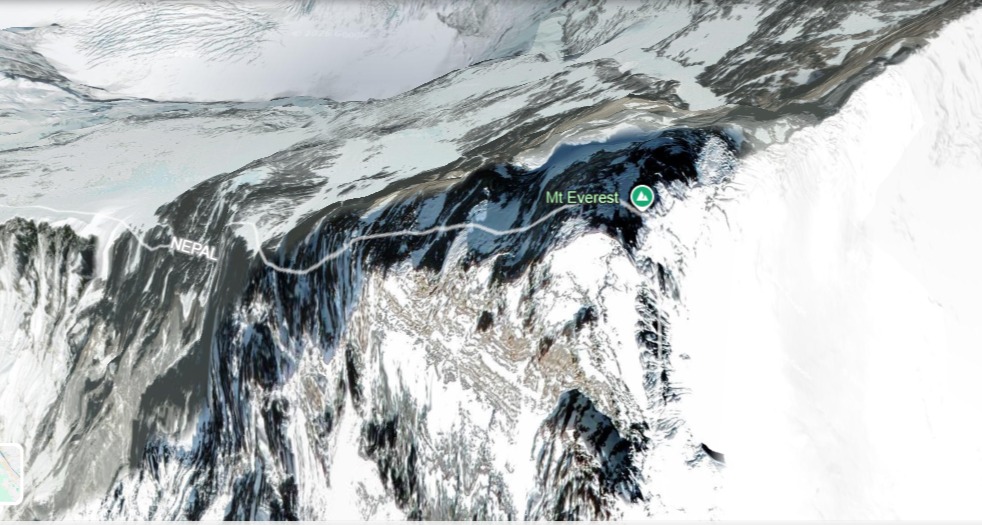
Mount Everest, standing at 8,848.86 meters above sea level, is the ultimate symbol of human endurance and ambition. Every year, climbers from around the world attempt to reach its summit, but only a small percentage succeed. Even fewer return safely without serious injuries or life-threatening incidents.
The challenges on Everest are not limited to steep terrain or technical difficulty. The real danger comes from altitude, oxygen deprivation, extreme weather, and time pressure. In this harsh environment, even a small delay can become fatal.
To manage these risks, experienced mountaineers follow strict safety protocols. One of the most important among them is the 2 PM Rule on Mount Everest, also known as the turnaround time rule. This guideline is one of the key reasons why modern Everest expeditions are safer compared to early historical climbs.
What is the 2 PM Rule on Mount Everest?
The 2 PM Rule is a critical safety guideline used during summit attempts on Mount Everest. It states:
Any climber who has not reached the summit of Mount Everest by 2 PM must immediately stop their ascent and begin descending.
This rule is strictly enforced regardless of how close the climber is to the summit. Even if the peak is only a short distance away, climbers are required to turn back once the cutoff time is reached.
The purpose of this rule is to ensure that climbers have enough time, energy, and daylight to safely return to lower camps before nightfall or worsening weather conditions.
Why the 2 PM Rule Matters
The 2 PM Rule is not arbitrary—it is based on real mountain risks. The table below explains the key reasons behind it:
| Reason | Explanation |
|---|---|
| Sudden weather changes | Weather on Everest often deteriorates after midday, increasing the risk of storms and whiteouts. |
| Limited oxygen supply | Supplemental oxygen is limited. Delays increase the risk of running out during descent. |
| Extreme fatigue | High altitude reduces strength, focus, and decision-making ability. |
| Daylight safety | Descending in daylight is significantly safer than navigating in darkness. |
| Limited rescue options | Rescue operations above 8,000 meters are extremely difficult and often impossible in late conditions. |
How the 2 PM Rule Works in Practice
On summit day, climbers usually leave Camp IV around midnight or early morning. The goal is to reach the summit in the early hours of the day and start descending immediately.
If a climber is unlikely to reach the summit and return safely by 2 PM, they are instructed to turn around—even if the summit is still within reach.
This strict timing helps ensure climbers descend before conditions become too dangerous.
Risks of Ignoring the 2 PM Rule
Ignoring the 2 PM Rule can quickly turn a summit attempt into a life-threatening situation. The main risks include:
- Severe weather exposure:Late-day storms, strong winds, and whiteout conditions can trap climbers near the summit.
- Oxygen exhaustion: Running out of supplemental oxygen during descent can lead to confusion, collapse, or worse.
- Darkness on descent: Navigating technical terrain in darkness increases the risk of falls and getting lost.
- No rescue support: Helicopter or ground rescue is nearly impossible at extreme altitude and poor weather conditions after late afternoon.
Extreme Weather Conditions in the Afternoon
Mount Everest is known for highly unstable weather patterns. Morning conditions can be relatively calm, but by midday or afternoon, strong winds often develop suddenly. These winds can exceed dangerous speeds and drastically reduce visibility.
Snowstorms and whiteout conditions can form without warning. In such situations, climbers can easily lose their route, fall into crevasses, or become completely disoriented on exposed ridges.
Descending in these conditions is far more dangerous than ascending.
The Difficulty of High-Altitude Descent
Climbing to the summit is only half the challenge. Descending from 8,848 meters requires equal or greater effort. After hours of climbing in thin air, climbers are physically exhausted, dehydrated, and often mentally drained.
Many technical sections of Everest, such as the Hillary Step, South Summit ridge, and Cornice Traverse, become significantly more dangerous during descent because fatigue reduces coordination and balance.
Even experienced climbers struggle during this phase, which is why time management becomes critical.
The Death Zone Effect
Above 8,000 meters lies the Death Zone, where oxygen levels are insufficient to sustain human life for extended periods. In this zone, the body begins to deteriorate rapidly.
Effects include:
- Reduced cognitive function
- Slower reaction time
- Loss of physical strength
- Impaired judgment
- Increased risk of hallucinations
As climbers spend more time in this zone, their ability to make safe decisions declines. This is why minimizing exposure time is essential.
Fatigue and Oxygen Depletion
By the time climbers approach the summit, they have already spent many hours in extreme altitude conditions. Even with supplemental oxygen, physical exhaustion is severe.
Muscles become weak, coordination slows, and concentration decreases. These factors make descent dangerous, especially when combined with technical terrain and harsh weather.
The longer climbers stay at high altitude, the higher the risk of accidents becomes.
Limited Rescue Possibilities
One of the most important reasons for the 2 PM Rule is the lack of rescue options on Everest.
Helicopter rescue above Camp 2 is extremely difficult and often impossible due to thin air, wind conditions, and altitude limitations. If a climber becomes stranded near the summit or above 8,000 meters, immediate rescue is unlikely.
This makes self-rescue the only realistic survival option, which depends heavily on early descent.
Who Enforces the 2 PM Rule?
The rule is enforced by professional expedition leaders, Sherpa guides, and licensed climbing agencies operating on Mount Everest.
These experts continuously monitor:
- Climbers’ physical condition
- Weather updates
- Oxygen levels
- Summit progress timing
If a climber has not reached the summit by the designated time, guides will instruct them to turn back, even if the climber insists on continuing.
This strict enforcement has saved countless lives over the years.
What Happens If Climbers Ignore the 2 PM Rule?
Ignoring the 2 PM Rule significantly increases the likelihood of serious injury or death. Common risks include:
- Sudden exposure to storms during descent
- Severe frostbite due to prolonged exposure
- Exhaustion leading to collapse
- Disorientation and loss of route
- Oxygen depletion and confusion
- Falls on steep or icy terrain
- Being forced to spend a night in the Death Zone
Many documented Everest tragedies occurred because climbers delayed their descent after reaching or approaching the summit too late in the day.
Psychological Pressure on Climbers
One of the most challenging aspects of the 2 PM Rule is psychological pressure. At high altitude, climbers often experience intense emotional conflict.
After weeks of preparation, months of training, and years of planning, turning back just hours away from the summit can feel like failure. The visibility of the summit creates strong emotional pressure to continue.
However, experienced climbers understand a crucial principle:
On Everest, success is not defined by reaching the summit, but by returning safely.
This mindset separates experienced mountaineers from those who take unnecessary risks.
Does the 2 PM Rule Apply to All Climbers?
The 2 PM Rule applies specifically to climbers attempting to reach the summit of Mount Everest, particularly those operating above 8,000 meters.
It does not apply to:
- Everest Base Camp trekkers
- Lower altitude trekking routes
- Standard hiking itineraries in the Everest region
However, trekking guides still implement similar safety-based turnaround times to ensure trekkers return safely before dark or changing weather conditions.
Modern Mountaineering and Safety Evolution
In early Everest expeditions, climbing was far less regulated. Many accidents occurred due to lack of timing discipline and limited understanding of altitude dangers.
Modern expeditions are now highly structured. With improved weather forecasting, better equipment, and experienced Sherpa support, safety standards have significantly improved.
The 2 PM Rule is part of this evolution, ensuring that climbers prioritize survival over ambition.
Everest Climbing Philosophy: Discipline Over Desire
Mountaineering on Everest follows a simple but powerful philosophy:
The mountain does not reward ambition. It rewards discipline.
The 2 PM Rule represents this philosophy by enforcing rational decision-making in extreme conditions. It reminds climbers that no summit is worth risking their life.
True success in mountaineering is not reaching the top, but returning home alive with experience and strength.
FAQs
What is the 2 PM Rule on Mount Everest?
The 2 PM Rule on Mount Everest is a safety guideline that requires climbers to turn back from their summit attempt if they have not reached the top by 2:00 PM. It is designed to ensure climbers descend safely before darkness, exhaustion, and dangerous weather conditions increase the risk of accidents.
Why is the 2 PM Rule important on Everest?
The rule is important because conditions on Everest can become extremely dangerous after midday. Weather often worsens in the afternoon, and climbers are already physically exhausted at high altitude. The rule helps prevent fatal accidents during descent by ensuring enough time to return safely.
Who enforces the 2 PM Rule on Mount Everest?
The rule is enforced by expedition leaders, professional mountain guides, and Sherpa teams. These experts continuously monitor climbers’ progress, oxygen levels, and weather conditions to ensure safety protocols are followed during summit attempts.
Is the 2 PM Rule mandatory on Everest?
While not a government law, the 2 PM Rule is strictly enforced by most professional expedition companies. Climbers are usually required to follow guide instructions as part of their contract, making it effectively mandatory in organized climbs.
What happens if climbers ignore the 2 PM Rule?
Ignoring the rule can lead to serious consequences such as exhaustion, frostbite, loss of oxygen, disorientation, and being caught in storms during descent. In extreme cases, it can result in fatal accidents due to late return from the summit.
Why do climbers need to turn back at 2 PM specifically?
2 PM is considered a safe cutoff because it allows enough time for climbers to descend to safer camps before nightfall. Descending from the summit can take several hours, and delays increase the risk of running out of daylight and energy.
Does the 2 PM Rule apply to Everest Base Camp trekkers?
No, the 2 PM Rule is specifically for summit climbers above 8,000 meters. However, trekking guides often use similar turnaround times to ensure safety during long hiking days in the Everest region.
Why is descending Everest more dangerous than climbing?
Descending is more dangerous because climbers are physically exhausted, oxygen-deprived, and mentally fatigued. Reduced coordination and poor visibility increase the risk of slips, falls, and navigation errors during descent.
What is the Death Zone on Mount Everest?
The Death Zone refers to altitudes above 8,000 meters where oxygen levels are too low to support human life for extended periods. In this zone, the body begins to deteriorate rapidly, making survival increasingly difficult.
How does weather affect the 2 PM Rule?
Weather plays a major role in enforcing the rule. Sudden storms, strong winds, and whiteout conditions often develop in the afternoon, making descent extremely dangerous. Climbers may be turned back even before 2 PM if conditions worsen.
What time do climbers usually start summit attempts?
Most climbers begin their summit push between midnight and 2:00 AM. Starting early allows enough time to reach the summit and return before the 2 PM cutoff time, reducing exposure to dangerous afternoon conditions.
Why do climbers risk going past the 2 PM Rule?
Some climbers may push beyond the cutoff due to emotional pressure, investment in the expedition, or being close to the summit. However, experienced guides strongly discourage this because of the high risk of fatal outcomes.
Is the 2 PM Rule the same for all mountains?
No, the 2 PM Rule is specific to Everest expeditions and similar high-altitude peaks. However, many mountaineering teams use similar turnaround time policies on other dangerous mountains to ensure safety.
Can climbers adjust the 2 PM Rule?
In rare cases, experienced expedition leaders may adjust timing slightly based on weather, route conditions, or climber performance. However, any adjustments still prioritize safe descent and are made very cautiously
How long does it take to descend from Everest summit?
Descending from the summit to higher camps can take 6 to 10 hours or more depending on weather, fatigue, and route conditions. This is why early turnaround is critical to avoid descending in darkness or storms.
What is the biggest danger during Everest descent?
The biggest dangers during descent include exhaustion, oxygen depletion, sudden weather changes, and falls on steep terrain. Many accidents occur when climbers lose focus or strength after summiting too late in the day.
Is oxygen used during descent on Everest?
Yes, most climbers use supplemental oxygen during both ascent and descent above certain altitudes. However, oxygen supplies are limited, and fatigue can still severely affect performance even with oxygen support.
How does the 2 PM Rule improve safety?
The rule improves safety by preventing climbers from staying too long in the Death Zone and ensuring they descend while they still have energy, daylight, and relatively stable weather conditions.
What is the main goal of the 2 PM Rule?
The main goal of the 2 PM Rule is survival. It ensures climbers do not prioritize reaching the summit over safely returning to lower altitude camps where oxygen levels and conditions are more manageable.
Why is the 2 PM Rule considered life-saving?
The rule is considered life-saving because it has prevented countless climbers from being caught in deadly conditions during descent. It acts as a final safety boundary that prioritizes human life over summit achievement.
Conclusion
The 2 PM Rule on Mount Everest is one of the most important safety guidelines in high-altitude climbing. It protects climbers from the deadly risks associated with late descents in extreme environments.
Extreme weather, physical exhaustion, oxygen deprivation, and limited rescue options make timing critical on Everest. This rule ensures that climbers do not push beyond safe limits.
In the world’s highest and most dangerous mountain, the summit is only half the journey. The real achievement lies in making it back safely, and the 2 PM Rule exists to make that possible.


