

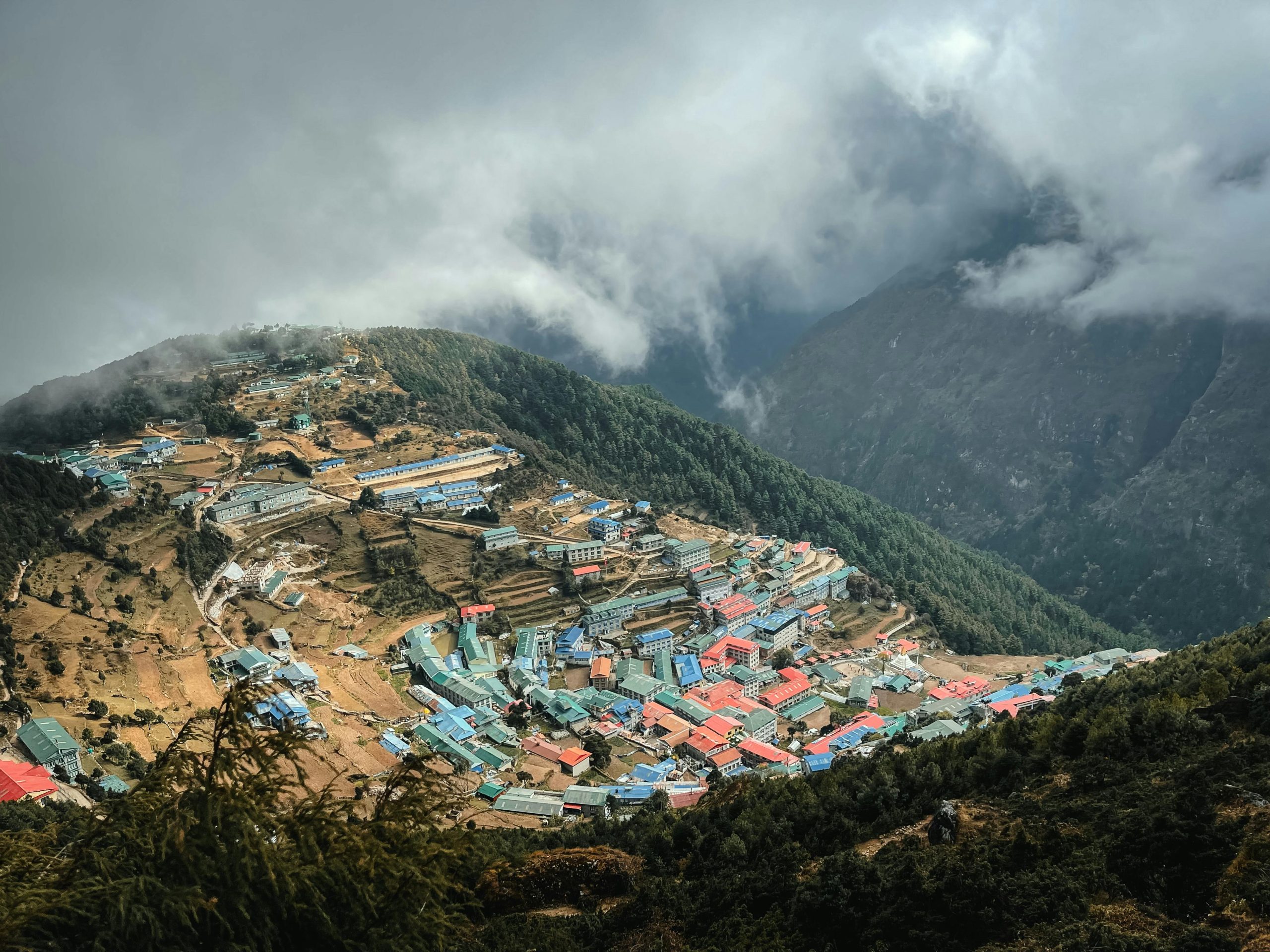
The Namche Bazaar Trek is one of the most popular short trekking adventures in Nepal’s Everest region, offering spectacular Himalayan scenery and breathtaking views of Mount Everest. Often referred to as the Everest Panorama Trek, this journey is ideal for travelers who want to experience the beauty of the Khumbu region without committing to the full Everest Base Camp trek.
The trek begins with an exciting mountain flight to Lukla, home to the famous Tenzing-Hillary Airport, and follows the scenic trail through traditional Sherpa villages such as Phakding and Monjo before reaching Namche Bazaar. Within just a few days, trekkers are rewarded with unforgettable views of Everest and many other towering Himalayan peaks.
Situated at an altitude of 3,440 meters (11,286 feet), Namche Bazaar is the vibrant commercial and cultural hub of the Khumbu region. The town is renowned for its excellent trekking lodges, cafes, bakeries, gear shops, and the fascinating Sherpa Culture Museum. From nearby viewpoints, visitors can enjoy stunning panoramas of Mount Everest, Lhotse, Ama Dablam, Thamserku, and other snow-capped mountains.
Namche Bazaar also serves as the gateway to some of the Everest region’s most iconic trekking routes, including the Everest Base Camp Trek, Gokyo Lakes Trek, and the challenging Three Passes Trek. Most trekkers spend at least two nights here to acclimatize before continuing to higher elevations.
The town offers a wide range of services and supplies, making it the last major stop where trekkers can purchase trekking gear, snacks, and other essentials. While prices are generally higher than in Kathmandu due to transportation costs, Namche remains the most convenient place to prepare for the journey ahead. Beyond Namche, prices tend to increase as the trail climbs deeper into the remote Khumbu Valley.
What Makes Namche Bazaar Different?
Namche Bazaar stands out as one of the most remarkable stops in the Khumbu region, combining dramatic mountain scenery, a lively trekking hub, and deep Sherpa culture. Often called the gateway to Everest Base Camp, it is more than just a stopover—it is a place where the Himalayas truly come alive.
Unique Location
Perched at 3,440 meters (11,286 feet), Namche Bazaar sits in a natural amphitheater carved into the mountains. The town is surrounded by towering peaks such as Kongde Ri, Thamserku, and distant views of Mount Everest itself.
Its terraced structure blends into the hillside, offering stunning panoramic views at every turn. Because of its strategic position, Namche serves as a key acclimatization point for trekkers heading deeper into the Himalayas, as well as a central hub connecting major trails in the region.
Vibrant Atmosphere
Despite its high-altitude setting, Namche Bazaar is full of life and movement. It is the main trading center of the Khumbu, bringing together locals, trekkers, and traders from different regions.
The narrow stone streets are lined with teahouses, bakeries, cafés, gear shops, and lodges, creating a lively and welcoming atmosphere. One of the highlights is the Saturday market, where locals gather to trade essentials ranging from food to trekking equipment, adding a unique cultural rhythm to the town.
Cultural Richness
Namche Bazaar is deeply rooted in Sherpa culture and tradition. It offers a meaningful introduction to the lifestyle of the people who have lived in the Everest region for generations.
Visitors can explore monasteries, small museums, and cultural centers that showcase Sherpa history, spirituality, and mountaineering heritage. The town also reflects the legacy of legendary Everest pioneers like Tenzing Norgay and Sir Edmund Hillary, whose achievements are closely tied to the region’s identity.
Namche is not just a place to pass through—it is where trekkers begin to truly understand the mountains and the people who call them home.
Best Time to Hike Namche Bazaar
Trekking in the Himalayas of Nepal is always a rewarding experience, and Namche Bazaar is no exception. Often called the gateway to the Everest region, Namche is one of the most developed and important trading hubs in the Khumbu region, offering modern facilities and comfortable stopover lodges for trekkers.
Located at an altitude of 3,440 meters, Namche Bazaar is a key acclimatization stop for trekkers and climbers heading deeper into the Everest region. Spending time here helps the body adjust to the increasing elevation while also offering plenty of opportunities to explore the surrounding hills and viewpoints.
From Namche, trekkers can enjoy incredible panoramic views of Mount Everest, Lhotse, Ama Dablam, and many other Himalayan peaks. Short hikes around the village and nearby viewpoints make it a rewarding place to stay for a couple of days.
The trek to Namche Bazaar is possible throughout most of the year, but conditions vary by season. The best times to visit are spring (March to May) and autumn (September to November), when the skies are generally clear and mountain views are at their best.
Winter (December to February) is colder but still offers a peaceful trekking experience with fewer crowds and clear mountain scenery on good days. The monsoon season (June to August) brings heavy rainfall in lower regions, and although Namche receives less rain, clouds often obscure mountain views and trails can be slippery.
Overall, spring and autumn remain the most favorable seasons for clear views, stable weather, and comfortable trekking conditions in the Everest region.
Namche Bazaar Trek Difficulty
The trek to Namche Bazaar is usually considered moderate, but it feels a bit different for everyone. It’s not a technical climb, so you don’t need mountaineering skills, but it does ask for good energy, steady legs, and patience—especially as you go higher into the Everest region.
The real challenge starts after Monjo and Jorsalle, where the trail begins to climb sharply. This is where most trekkers start to feel it in their legs. The uphill section toward Namche is long and steady, and it can feel more tiring than expected, especially on the first big trekking days.
Altitude also plays a role. Namche Bazaar sits at around 3,440 meters, and the air gets noticeably thinner as you rise. Some people may feel a light headache or get tired faster than usual, which is completely normal. That’s why many itineraries include an extra acclimatization day in Namche, giving your body time to adjust.
On a typical day, you’ll walk around 5 to 7 hours, passing through suspension bridges, forest trails, and stone steps carved into the hills. The terrain is not dangerous, but it is uneven and demands attention, especially in wet or cold conditions.
Even though it has its tough moments, most trekkers find Namche very doable. If you take it slow, drink enough water, and don’t rush, your body adjusts well. And once you arrive, the views, the mountain air, and the lively Sherpa town make the effort feel completely worth it.
Namche Bazaar to Everest Base Camp Trek Distance
Everest Base Camp Trek is a 130 KM round trip from Lukla-Everest Base Camp-Lukla. Thus one way from Lukla to Everest Base Camp is 65 KM, and ascending all the way to Everest Base Camp will be 8 days. These 8 days include two nights of acclimatization, one night in Namche and one in Dingboche as extra to acclimatize yourself before heading to a higher altitude above 5000+ meters.
From Namche Bazaar, you will be stopping in 4 different Sherpa villages to reach Everest Base Camp and the last overnight lodge will be at Gorakshep (5140M). This will be around 42 KM from Namche Bazaar to Gorakshep and a further 5 KM to Everest Base Camp.
From Gorakshep, you will have a day tour to Everest Base Camp, which is just a 5 KM distance and will take around 2 hours. The next day, hike early in the morning to Kalapatthar for a sunrise view and descend downhill all the way to Lukla. This descent will take 3 days to cover 65 Km.
Ascending Uphill takes longer due to the high altitude and have to do so because you have to acclimatize your body accordingly for the success of the entire trip.
Facts About Namche Bazaar for Trekkers in the Everest Region
Namche Bazaar is far more than just a stop on the way to Everest Base Camp — it’s a vibrant mountain town full of culture, energy, and some surprisingly good coffee at 3,440 meters. Here are 10 important things every trekker should know before arriving.
Altitude: 3,440 Meters Above Sea Level
Namche Bazaar sits at 3,440 meters (11,286 feet) and is one of the most important acclimatization stops on the Everest Base Camp trek. Most trekkers stay at least two nights here to allow their bodies to adjust and reduce the risk of altitude sickness.
The Sherpa Heart of the Khumbu
Often referred to as the Sherpa capital, Namche is the cultural and economic center of the Khumbu region. It is home to the Sherpa community, known worldwide for their mountaineering expertise and deep-rooted Himalayan traditions.
First Clear Views of Mount Everest
One of the highlights of reaching Namche is your first clear panoramic view of Mount Everest. From nearby viewpoints, trekkers can also see Lhotse, Ama Dablam, and other stunning Himalayan peaks.
Saturday Market Day
Every Saturday, Namche Bazaar comes alive with a traditional market. Locals from surrounding villages arrive to trade goods such as vegetables, yak products, and handicrafts, making it a lively cultural experience for visitors.
Sherpa Culture Museum
The Sherpa Culture Museum offers a fascinating insight into Sherpa history, mountaineering achievements, and Buddhist traditions, including exhibits dedicated to legendary climbers.
A Historic Trade Route
Long before tourism, Namche was a key trading hub between Nepal and Tibet. Goods like salt, grain, and dried meat were exchanged here, shaping the town’s unique cultural and commercial identity.
Cafés and Fresh Bakeries in the Himalayas
Despite its remote location, Namche offers modern comforts such as bakeries and cafés serving fresh coffee, pastries, and baked goods — a welcome luxury after days on the trail.
Everest View Hotel Excursion
A short acclimatization hike leads to the Everest View Hotel, one of the highest-altitude hotels in the world, offering incredible views of Everest and surrounding peaks.
Wi-Fi and ATMs Available
Namche is surprisingly well connected for such a remote location. Wi-Fi is available in most lodges (for a fee), and there are ATMs in town, though they can be unreliable and charge high fees.
A Vital Acclimatization Stop
Namche plays a crucial role in safe trekking. Resting here helps your body adapt to altitude before moving higher into the Everest region, making it an essential stop for a successful and safe journey.
Essential Services in Namche Bazaar
Namche Bazaar provides the most comprehensive range of facilities in the Everest region, making it a vital stop for rest, preparation, and acclimatization during trekking journeys.
ATMs and Cash Facilities
Namche has a few ATMs, but their reliability can be inconsistent due to altitude-related power and network issues. Withdrawal limits are often low, and transaction fees are higher than in Kathmandu. Trekkers are strongly advised to carry enough cash from Kathmandu as a backup.
Gear Shops and Pharmacies
The town has several trekking gear shops where visitors can rent or purchase essentials such as jackets, sleeping bags, trekking poles, and other equipment. Local pharmacies offer basic medicines, including some treatments for altitude-related symptoms, but supplies are limited. Important prescriptions and personal medications should always be brought from Kathmandu.
Wi-Fi, Mobile Network, and Charging
Most lodges and cafés in Namche offer Wi-Fi for an additional charge, though speeds may be slow. Mobile networks do work in the area, but connectivity is not always stable. Charging facilities are widely available in teahouses, typically at an extra cost per device or hour.
Medical Services and Altitude Support
Namche has basic clinics that can assist with minor illnesses and initial altitude-related issues. However, serious medical cases require helicopter evacuation. As a result, Namche plays an important role as a monitoring and acclimatization stop rather than a full medical center.
Top Attractions and Activities in Namche Bazaar
Namche Bazaar is not just a stop on the way to Everest Base Camp—it is a destination full of scenic viewpoints, cultural landmarks, and rewarding day hikes. Spending an extra day here helps with acclimatization while offering unforgettable experiences.
Hike to Everest View Hotel
One of the most popular acclimatization hikes from Namche is the trail to the Everest View Hotel. From here, trekkers are rewarded with spectacular views of Mount Everest, Lhotse, Ama Dablam, and surrounding Himalayan peaks.
Located at around 3,880 meters (12,730 feet), it is often considered one of the highest luxury hotels in the world. The round-trip hike usually takes 2–3 hours, depending on pace and rest stops, making it a perfect short adventure during acclimatization.
Namche Bazaar Saturday Market
Every Saturday, Namche comes alive with its traditional market. Locals and traders from nearby villages gather to sell food, clothing, trekking supplies, and handmade goods.
It is a great place to experience local life, interact with residents, try simple street food, and browse unique souvenirs. The market also adds a lively cultural rhythm to this mountain town.
Sagarmatha National Park Visitor Center
Located close to the entrance of Namche Bazaar, the Sagarmatha National Park Visitor Center provides useful insight into the Everest region.
Visitors can learn about the local flora and fauna, Sherpa culture, and the history of mountaineering in the Himalayas. The exhibits and displays help trekkers better understand the environment they are exploring.
Khumjung and Thame Villages
Day hikes to nearby villages like Khumjung and Thame offer a deeper look into traditional Sherpa life away from the main trekking route.
Khumjung is known for its monastery and the Hillary School, while Thame is famous for its ancient monastery and peaceful mountain surroundings. Both villages provide a quiet, authentic experience of life in the Khumbu region.
Syangboche Airstrip
Syangboche Airstrip, located at about 3,780 meters (12,402 feet), is one of the highest airstrips in the world, though it is no longer used for regular commercial flights.
A short hike to this area rewards visitors with wide-open views of the surrounding mountains and valleys, making it a great spot for photography and relaxation.
Tenzing Norgay Memorial Stupa
Set on a hill above Namche Bazaar, this peaceful stupa honors Tenzing Norgay, the legendary Sherpa climber who, alongside Sir Edmund Hillary, first reached the summit of Mount Everest in 1953.
The site offers a quiet atmosphere for reflection, along with sweeping views of Namche and the surrounding Himalayan landscape.
Exploring these attractions allows visitors to experience both the natural beauty and cultural depth of Namche Bazaar, making their stay far more meaningful and memorable.
Weather and Climate in Namche Bazaa
Seasonal Weather Patterns
Namche Bazaar has a high-altitude mountain climate, meaning temperatures can change quickly and conditions vary significantly by season. Located at 3,440 meters, the weather is generally cool to cold throughout the year, especially at night.
Spring (March–May)
Spring is one of the best trekking seasons. Days are mild, skies are often clear, and visibility of the Himalayas is excellent. Rhododendrons bloom along the trails, adding color to the landscape. Nights remain cold but manageable.
Summer / Monsoon (June–August)
This period brings monsoon rains to Nepal. While Namche receives less rainfall than lower regions, clouds and humidity are common. Mountain views are often blocked, and trails can be slippery. However, the surroundings become lush and green.
Autumn (September–November)
Autumn is considered the best overall season for trekking. The weather is stable, skies are crystal clear, and visibility of peaks like Everest, Lhotse, and Ama Dablam is at its peak. Temperatures are comfortable during the day and cool at night.
Winter (December–February)
Winter in Namche is cold, with freezing nighttime temperatures and occasional snowfall. Days are usually clear and quiet, offering stunning mountain views. However, trekking requires proper cold-weather gear and preparation.
Overall, Namche Bazaar experiences the most favorable trekking conditions during spring and autumn, when weather stability and mountain visibility are at their best.
Everest Base Camp Trek Equipment
Packing for the Everest Base Camp (EBC) trek is all about balance—lightweight gear, layered clothing, and reliable essentials that handle cold, wind, and altitude.perience the culture and daily life of the Khumbu region.
Accommodation Options in Namche Bazaar
Over the years, Namche Bazaar has developed a wide range of accommodation options to suit different budgets, preferences, and trekking styles. From simple teahouses to comfortable luxury lodges, trekkers can easily find a place that fits their needs.
Teahouses and Lodges
Teahouses and lodges are the most common form of accommodation in Namche Bazaar. These family-run stays offer a warm and authentic Himalayan experience for trekkers.
Rooms are usually simple but comfortable, with basic beds, blankets, and shared bathroom facilities. Most teahouses also feature a communal dining hall where guests gather for meals, share stories, and relax after a day on the trail.
Staying in a teahouse not only provides a cultural experience but also directly supports the local Sherpa community.
Luxury Hotels and Comfort Lodges
For those seeking more comfort, Namche also offers a small selection of luxury hotels and high-end lodges. These properties provide upgraded facilities such as en-suite bathrooms, heating systems, Wi-Fi, and more spacious rooms.
Some even include services like spa treatments, fine dining, and private balconies with impressive mountain views. While they are more expensive than teahouses, they offer a much more comfortable stay in a remote mountain setting.
Tips for Choosing Accommodation
- Budget: Decide your budget early, as prices increase with altitude.
Facilities: Choose based on what matters most—hot showers, Wi-Fi, or private bathrooms.
Reviews: Check recommendations from other trekkers or trusted trekking agencies.
Booking in Peak Season: In spring and autumn, rooms can fill quickly, so advance booking is recommended.
Location: Staying near the center gives easy access to shops and services, while outskirts offer more peace and quiet.
Sustainability: If possible, choose lodges that follow eco-friendly practices and support local conservation efforts.
By keeping these factors in mind, you can find accommodation that ensures both comfort and a memorable experience in Namche Bazaar.
Food and Dining in Namche Bazaar
Namche Bazaar offers a surprisingly diverse food scene for a mountain town. Trekkers can enjoy both traditional Sherpa and Nepali dishes as well as international comfort food, making it a great place to recharge during the journey.
Local Dishes to Try
Namche is a great place to experience authentic Himalayan cuisine. Some popular local dishes include:
- Dal Bhat: The classic Nepali meal of rice, lentil soup, and vegetable or meat curries. Nutritious and perfect for trekking energy.
- Sherpa Stew (Shyakpa): A hearty mix of vegetables, potatoes, meat, and noodles—ideal for cold mountain evenings.
- Momo: Steamed or fried dumplings filled with meat, vegetables, or cheese, served with spicy sauce.
- Tibetan Bread: Fried or pan-cooked bread often served with eggs, jam, or honey for breakfast.
- Yak Cheese: A local specialty found in bakeries and shops, often used in snacks or meals.
b. Cafes, Bakeries, and Restaurants
Despite its remote location, Namche Bazaar has a lively selection of cafés, bakeries, and restaurants offering both local and international food.
- Everest Bakery: Famous for fresh pastries, cakes, and light meals.
- Himalayan Java Coffee: A cozy café serving quality coffee, snacks, and light meals.
- Sherpa Barista Bakery & Café: Popular for breakfast, sandwiches, and baked goods.
- Saturday Market: A weekly gathering where locals and traders sell food, goods, and street snacks, creating a vibrant atmosphere.
Dietary Needs and Nutrition Tips
Most teahouses and restaurants in Namche can accommodate vegetarian, vegan, and other dietary requirements, but it is important to clearly communicate your preferences.
At high altitude, nutrition plays a key role in maintaining energy and health. A carbohydrate-rich diet is recommended, as it provides steady energy for trekking. Staying hydrated is equally important, so drink plenty of water and limit alcohol and excessive caffeine.
Exploring the food scene in Namche Bazaar is not just about eating well—it’s also a chance to experience the culture and daily life of the Khumbu region.
Clothing (Layering System)
Start with a proper layering system to adapt to changing temperatures.
- Moisture-wicking base layers (thermal tops and bottoms)
- Fleece or down jacket for insulation
- Waterproof and windproof shell jacket
- Trekking pants (quick-dry)
- Warm hat, buff, and sun cap
- Insulated gloves + light inner gloves
- Thermal socks (multiple pairs)
Footwear
- Broken-in trekking boots (ankle support is essential)
- Lightweight camp shoes or sandals
- Extra laces (just in case)
Trekking Gear
- Comfortable backpack (30–50L for personal use)
- Duffle bag (carried by porters if using a service)
- Sleeping bag (rated -10°C to -20°C)
- Trekking poles (very helpful on descents)
Essential Accessorie
- Headlamp with extra batteries
- Water bottles or hydration bladder
- Water purification tablets or filter
- Sunglasses with UV protection
- Sunscreen (high SPF) and lip balm
Personal Care & Health
- Basic first aid kit (band-aids, painkillers, altitude meds if prescribed)
- Wet wipes and hand sanitizer
- Toiletries (travel size)
- Diamox (only if recommended by a doctor for altitude)
Electronics
- Power bank (cold reduces battery life)
- Universal adapter
- Spare batteries for camera/phone
Optional but Useful
- Lightweight towel
- Snacks (energy bars, nuts, chocolate)
- Notebook or book for downtime
FAQs
How hard is the Namche Bazaar trek really?
It feels like a moderate trek for most people. You don’t need climbing skills, but you do need steady energy because the trail keeps going up and down, with a big uphill push before Namche.
Can a beginner reach Namche Bazaar?
Yes, many first-time trekkers make it without problems. The key is not speed—it’s walking slowly and letting your body adjust.
How long does it take to get to Namche?
From Lukla, it usually takes around 5 to 7 hours, depending on your pace, breaks, and how your body is feeling that day.
What part feels the toughest?
Most trekkers agree the climb after Jorsalle is the hardest. It’s a long, steady uphill where your legs start to feel heavy, especially with a backpack.
How high is Namche Bazaar?
Namche sits at about 3,440 meters. At this height, you’ll notice the air feels thinner and walking can feel more tiring than usual.
Is altitude sickness a concern?
It can happen, but usually in mild form—like a light headache or feeling tired. Rest and slow movement usually help a lot.
Do I need a rest day in Namche?
Yes, and it actually feels good to have one. It gives your body time to adjust and makes the rest of the trek much easier.
Is the trail dangerous?
Not really. It’s a well-used trail. But you still need to stay careful on steep steps, bridges, and rocky sections.
Do I need trekking experience?
No. Even if it’s your first trek, you can do it as long as you’re reasonably fit and mentally prepared for long walking days.
What kind of fitness helps the most?
Simple things like walking, hiking, or climbing stairs regularly. You don’t need to be an athlete—just active.
How far is Namche Bazaar?
From Lukla, it’s roughly a full day’s trek, depending on stops and conditions. The distance feels longer because of the uphill sections.
What is the trail like?
Expect a mix of forest paths, stone steps, suspension bridges, and uneven mountain trails. It keeps changing, so it never feels boring.
Is it harder in winter or monsoon?
Yes. Monsoon can make it slippery, and winter can make it cold and more tiring, especially early mornings and evenings.
Can kids or older travelers do it?
Yes, if they are healthy and take it slowly. The secret is pacing and taking enough rest breaks.
Is Namche harder than Everest Base Camp?
No, it’s actually one of the earlier and easier parts of the Everest Base Camp journey.
Do I need a guide?
Not strictly, but having a guide makes things easier and safer, especially if it’s your first time in the Everest region.
Are there places to stay on the way?
Yes, plenty of teahouses along the route. You can eat, rest, and sleep comfortably without carrying camping gear.
How should I prepare before the trek?
Just build up stamina—walking, jogging, hiking, or stair climbing helps a lot. Even simple daily walks make a difference.
How cold does Namche get?
Nights can get quite cold, especially in winter, but daytime is usually pleasant when the sun is out.
Is the trek worth it?
Yes, most people remember Namche as one of the most special stops—mountain views, Sherpa culture, and that first real feeling of being in the Everest region.


