

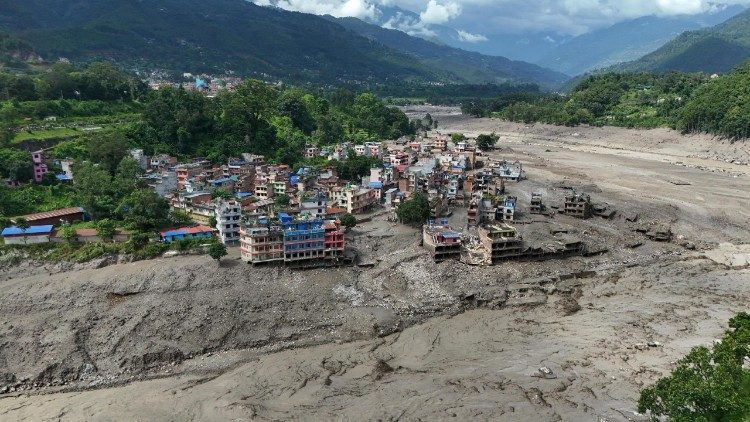
The Bhote Koshi, a Tributary of Trisuli River, Causing Havoc and Devastating Floods .A great Humanitarian and Economic Disaster, ever occurred in Nepal, after the 2015 earthquakes.
The damage from Bhote Koshi and Trisuli River of Mid-West Nepal have created a huge destruction with massive loss of life and properties.
More than thousands of people have been affected, more than thousands people have lost their lives. Including, the local and foreign nationalities, the missing dead bodies, are recovered far downstream from 200 km distances.
Hundreds of people have been wounded, suffered from the flash floods, as well thousands of people have gone missing, and out of contacts, nevertheless which means that the floods have taken the toll.
Likewise, more than 500 houses have been demolished and destroyed and damaged. Similarly, more than hundreds of smaller to big vehicles have been swept by the huge floods. Leaving behind damaged cars, buses and trucks with human and animal carcasses on the wet muddy riverbanks.
The massive destruction from the flash floods to villages, towns, and important government office buildings and schools, were badly affected.
It is one of the worst distress scenarios, from dramatic flash floods of Bhote Koshi and Trisuli Rivers.
The most dreadful destruction was along the Trisuli River corridor, as well as near the Nepal–China border areas. Namely, Timure, Syabrubesi, Betrawati and Trisuli Bazaar, and downstream to Galchi, and Malekhu.
Many human settlements, villages and township, including the public facilities have suffered with massive destruction.
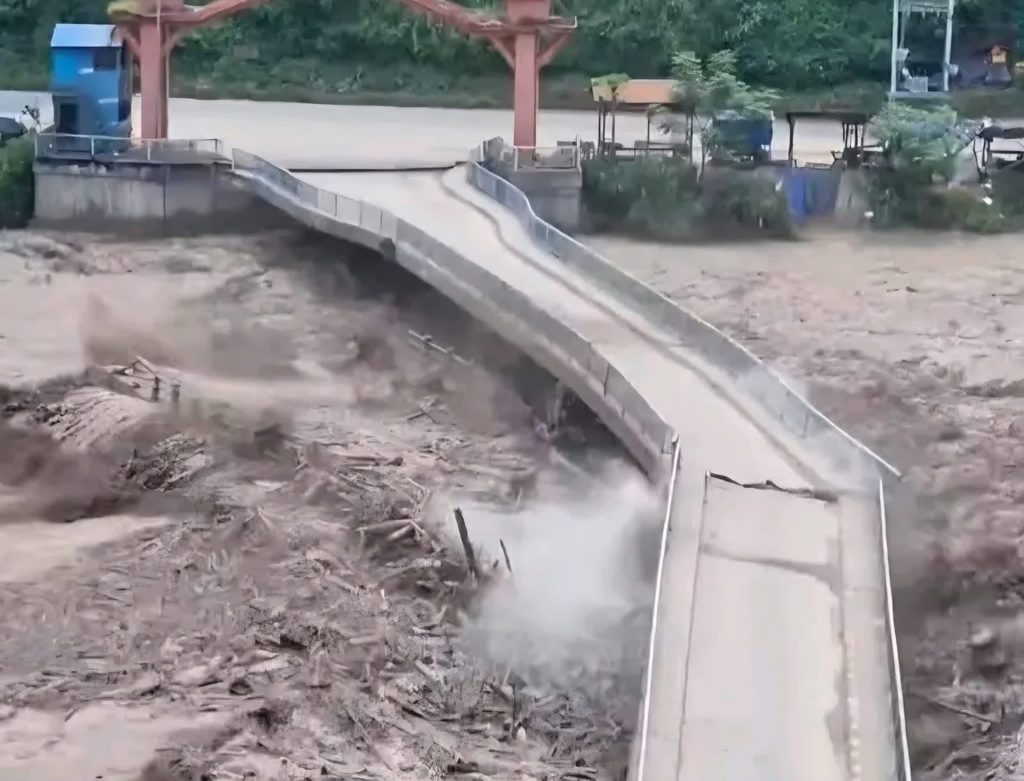
Besides the mass havoc to human life and properties, more than 15 strong bridges and 10 suspension bridges, which has been damaged or swept by the huge flood, it has disrupted the human communication of transport from areas to another.
The floods have left nothing alive. Even hundreds of domestic animals were not spared. The flash floods swept them away, and thousands of hectares of farming fields were badly affected.
Leaving the rich agriculture areas filled with mud, and drifted debris of broken domestic items.
The total economic loss has not been exactly figured, but assuming an estimated amount of more than NPR 200 billion.
The great damages include the hydropower station and projects. As well as bridges, houses, banks, highways, roads, vehicles, businesses enterprises, vast agricultural land and of human properties.
The unexpected and unbelievable flash flood is a big and worst natural disaster with a humanitarian tragedy of huge scales.
The victims from the flood affected communities need immediate rescue to safe and secure areas, requiring relief, medical, food, shelter support. As well as with long-term reconstruction financial support to rebuild their houses.
From our side, Dream Himalaya and Monastery Art Gallery, a heartfelt condolence to all the families who have lost their dear ones, and pray for fast recovery to all people affected by this devastating flash flood.
Important Questions and Lessons from the Disaster
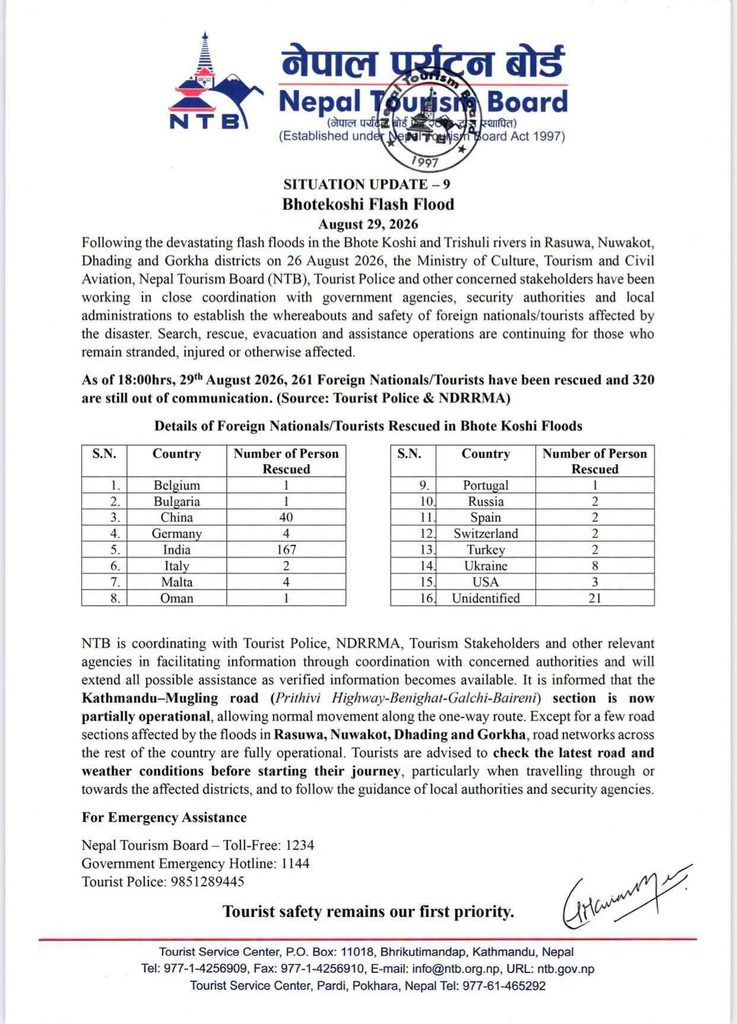
Few important conditions remain to be answered and learn from the havoc of this type of disastrous flash floods.
These are the main subjects: the needs and necessities of the flood victims, and what measures to be taken in near future.
An important lesson and awareness to be learned and remembered by human beings and governments all over the world.
Let’s join hands and hope these types of natural calamities can be controlled by country men and government bodies.
Which Areas Were Affected?
Rasuwa District was among the areas hit hardest by the devastating flood. The powerful flow of the Bhotekoshi River caused significant damage to settlements, roads, bridges, and other infrastructure located along the river corridor.
Some of the areas reported to have been affected or considered at risk include:
- Timure
- Rasuwagadhi
- Syabrubesi
- Melung
- Betrabati
- Salletar
- Shantibazar
- Pairebesi
- Khalti
- Sole
- Trishuli
- Battar
As floodwaters continued downstream, the impact extended toward parts of Nuwakot and Dhading, particularly communities situated near the Trishuli River and its surrounding floodplains. The situation created serious concerns for residents, transportation routes, bridges, and other essential infrastructure in these areas.
Because assessment and recovery efforts are still ongoing, the reported list of affected locations may change as authorities gather more information and inspect areas that were difficult to reach immediately after the disaster.
Missing Important Subjects in Need of Fast and Immediate Relief Services
- People are still waiting for rescue in the Hydro tunnel and Jungle?
- It is not that easy to find all the human corpses?
- Safe drinking water and electricity conditions?
- Peoples have fear, and aware of the second layer flood, that can take place anytime?
- When will the destroyed villages and towns be rebuilt back to normal?
- How often this type of sudden flash flood occurs after this great devastation?
- What will be the security and safety measures by the government in future?
Roads and Bridges Bear the Brunt of the Flood
The destruction of roads and bridges has become one of the most serious consequences of the Rasuwa floods.
The Betrawati–Rasuwagadhi road corridor has suffered significant damage, while several bridges have been swept away, weakened or left unusable by the powerful floodwaters. In some places, the force of the water and debris has completely disrupted the normal connection between communities.
In the mountainous parts of Nepal, losing a road or bridge is far more serious than simply causing traffic delays. Many settlements have limited access routes, and a single bridge may serve as the only practical link between villages and larger towns.
The damage has therefore made an already difficult emergency even harder to manage. Rescue teams face challenges reaching isolated communities, while the delivery of food, drinking water, medicines, fuel and other essential supplies can also be delayed.
The impact extends beyond emergency response. These roads are important for local businesses, tourism, transportation and cross-border trade. When the routes are disrupted, farmers, traders, drivers, hotel owners and other local workers can all feel the economic effects.
Rebuilding the damaged infrastructure will not be a simple repair job. Engineers may first need to assess unstable slopes, eroded riverbanks and damaged foundations before reconstruction can safely begin.
For the affected communities, restoring these roads and bridges will mean much more than reopening a transportation route. It will mean reconnecting people with hospitals, markets, schools, workplaces and the outside world.
Hydropower Infrastructure Has Also Suffered Damage
The Rasuwa floods also caused damage to hydropower projects and electricity infrastructure in Rasuwa and Nuwakot. Several facilities along the Bhote Koshi and Trishuli river corridors were affected by the powerful floodwaters and debris.
Because many hydropower projects are located close to rivers, they can be particularly vulnerable to sudden floods. Damaged equipment, power facilities and access roads may take considerable time to repair, especially where transportation routes have also been disrupted.
The impact goes beyond physical damage. Suspended power generation can affect local communities, businesses and Nepal’s wider energy supply. Before damaged projects can resume operation, engineers will need to inspect the facilities and surrounding areas to ensure they are safe.
How the Flood Has Affected Tourism and Travel
The disaster has disrupted movement through parts of northern Nepal, where the Rasuwa and Bhotekoshi corridors serve as important routes for local communities, travelers, trekkers, and people heading toward the Nepal–China border.
Popular destinations and travel routes toward Langtang, Rasuwagadhi, and surrounding areas may be affected by damaged infrastructure and changing road conditions. Travelers planning to visit these areas should confirm the latest situation with local authorities and reliable travel sources before starting their journey.
People entering flood-affected areas should also stay away from riverbanks, damaged bridges, unstable slopes, and roads showing signs of further damage. Local safety instructions should always take priority.
Could Climate Change Be a Factor?
The disaster has renewed concerns about the effects of a changing climate in the Himalayas.
Temperatures are rising across many high-mountain areas, affecting glaciers, snow cover, frozen ground, and other natural systems. Such changes can increase the possibility of certain hazards, including unstable slopes, sudden water releases, and glacier-related flooding.
Still, it would be premature to conclude that climate change alone caused the Bhotekoshi flood. Understanding the exact causes requires scientific investigation, including rainfall records, river conditions, glacier and snow data, and changes in the surrounding landscape.
Why Flash Floods Can Become Extremely Destructive in Nepal
Nepal’s steep mountains and narrow valleys create natural conditions where floods can develop very quickly.
Heavy rainfall can send large volumes of water into mountain rivers within a short period. When this water combines with mud, rocks, fallen trees, landslide debris, or ice, the resulting flow can move with tremendous force and destroy roads, bridges, buildings, and other infrastructure.
In some cases, a temporary blockage formed by a landslide or other debris can hold back water. If that barrier suddenly fails, a large surge can travel downstream with little time for communities to react.
This combination of steep terrain, powerful rivers, unstable slopes, and rapidly changing weather makes flash floods particularly dangerous in Nepal’s mountain regions.
What Should Nepal Do to Prevent Similar Disasters?
The Bhotekoshi disaster shows that reducing future losses will require more than emergency response after a flood occurs. Nepal needs stronger systems that can identify danger early and give communities enough time to move to safety.
Some important priorities include:
- Installing more river-level and rainfall monitoring stations in high-risk areas
- Developing faster and more reliable flood-warning systems for downstream communities
- Increasing surveillance of glaciers, glacial lakes, and unstable mountain slopes
- Building roads, bridges, and other infrastructure to withstand extreme weather events
- Maintaining reliable emergency communication systems when mobile networks and electricity fail
- Training local communities in evacuation and emergency response procedures
- Creating clearly marked evacuation routes and safe areas in vulnerable settlements
- Improving coordination between government agencies, local authorities, rescue teams, and communities
- Strengthening information-sharing between Nepal and China for hazards that may affect rivers and communities across the border
Better preparation cannot prevent every natural disaster, but timely information, stronger infrastructure, and trained communities can significantly reduce the loss of lives and property when another extreme event occurs.
Frequently Asked Questions
1. What caused the devastating flash floods in Rasuwa?
The disaster was caused by sudden and extremely powerful flooding along the Bhote Koshi and Trisuli river systems, resulting in severe destruction of settlements, roads, bridges, and other infrastructure.
2. Which areas were most affected by the Rasuwa flash floods?
Areas along the Bhote Koshi and Trisuli River corridors were among the hardest hit, including Timure, Syabrubesi, Betrawati, Trisuli Bazaar, Galchi, and Malekhu.
3. How many people were affected by the Rasuwa floods?
The disaster affected thousands of people, with deaths, injuries, and many people reported missing or displaced. The exact figures require confirmation from official authorities.
4. What kind of damage did the floods cause?
The floods damaged or destroyed houses, bridges, roads, vehicles, schools, government buildings, businesses, hydropower infrastructure, farmland, and other properties.
5. What happened to the bridges and transportation infrastructure?
Several major and suspension bridges were damaged or swept away, severely disrupting transportation and communication between communities and creating major challenges for rescue and relief operations.
6. What immediate help do flood victims need?
Affected communities need urgent rescue, safe drinking water, food, temporary shelter, medical treatment, sanitation, electricity, and other essential supplies.
7. Why are rescue and recovery operations difficult in the affected areas?
Strong river currents, landslides, damaged roads and bridges, unstable terrain, debris, and difficult access to remote settlements can make rescue and recovery operations extremely challenging.
8. What should people do if another flash flood threatens their area?
People should move immediately to higher and safer ground, avoid riverbanks and bridges, follow official warnings, keep emergency supplies ready, and avoid attempting to cross flooded roads or rivers.
9. What lessons can Nepal learn from the Rasuwa flash flood?
The disaster highlights the need for stronger early-warning systems, better disaster preparedness, safer infrastructure, improved river monitoring, emergency evacuation plans, and rapid coordination among government agencies and local communities.
10. What will be needed for long-term recovery after the floods?
Long-term recovery will require rebuilding homes, roads, bridges, schools, health facilities, hydropower infrastructure, and agricultural land, along with financial assistance and livelihood support for affected families.


