

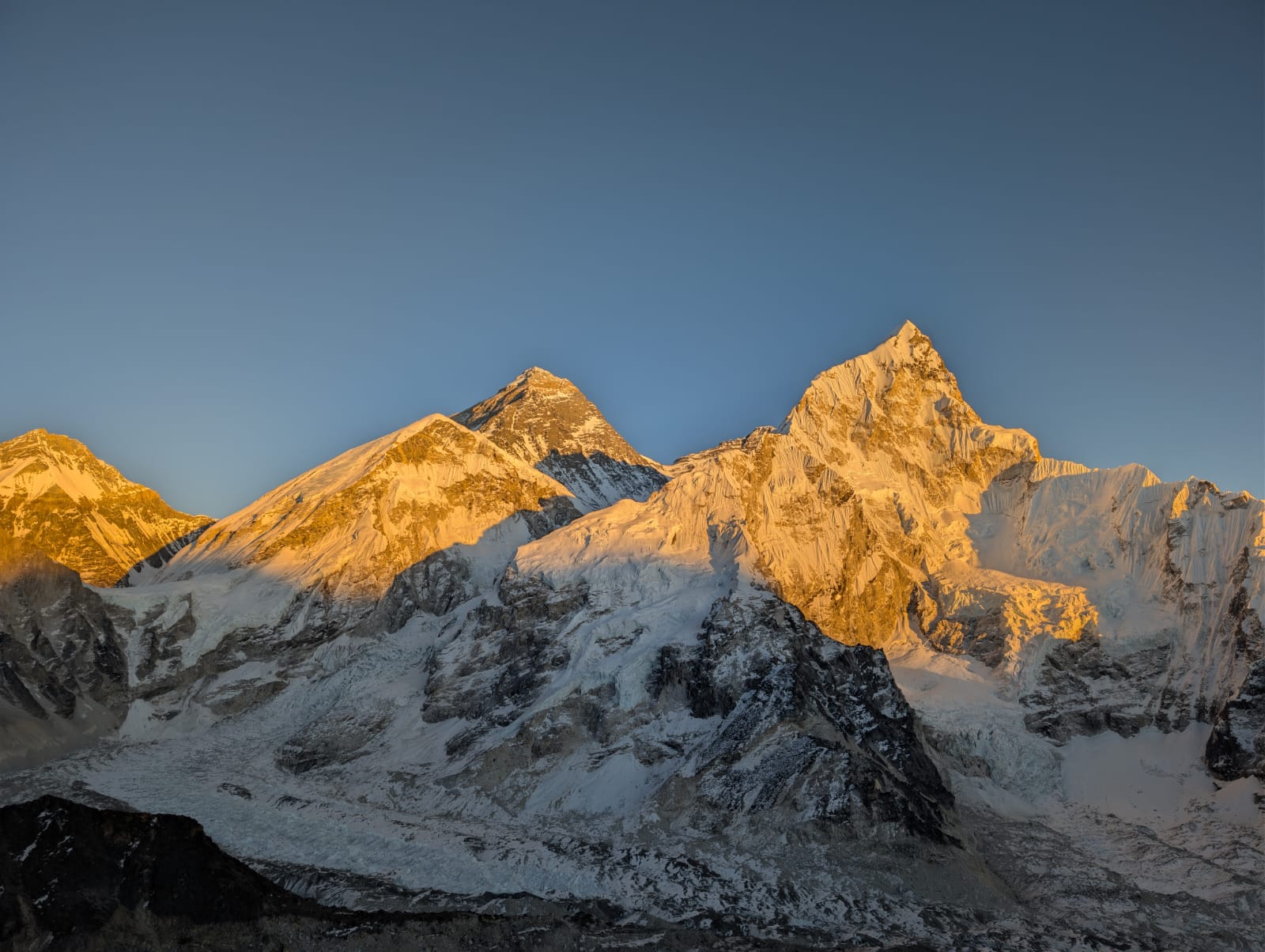
The Everest region experiences four distinct seasons—spring, monsoon, autumn, and winter—each offering unique trekking conditions and experiences. Understanding the characteristics of each season is essential when planning your journey. Among them, spring (March to May) and autumn (September to November) are widely regarded as the best times for the Everest Base Camp Trek, thanks to their stable weather, clear mountain views, and comfortable temperatures.
The Everest Base Camp Trek is a once-in-a-lifetime adventure that takes trekkers into the heart of the Himalayas, offering spectacular views of the world’s highest peaks. As one of the most iconic trekking routes on the planet, it attracts thousands of adventurers each year seeking an unforgettable mountain experience.
Beyond the stunning panorama of Mount Everest, the trek showcases diverse landscapes, rich Sherpa culture, vibrant flora and fauna, and remarkable natural features such as glaciers, icefalls, and alpine valleys. With its dramatic scenery, challenging trails, and rewarding experiences, the Everest region promises an extraordinary journey for trekkers from around the world.
Highlights of the Everest Base Camp Trek
- Lukla Airport – Begin your adventure with an exciting flight to Tenzing-Hillary Airport, one of the world’s most thrilling mountain airstrips.
- Namche Bazaar – Explore the vibrant Sherpa capital, a bustling trading center and the gateway to the Everest region.
- Tengboche Monastery – Visit the largest and most important monastery in Khumbu, surrounded by breathtaking Himalayan views.
- Sagarmatha National Park – Trek through a UNESCO World Heritage Site renowned for its diverse wildlife, dramatic landscapes, and towering peaks.
- Khumbu Glacier and Icefall – Witness the awe-inspiring beauty of one of the world’s highest glaciers and the famous Khumbu Icefall.
- Kala Patthar (5,545m) – Enjoy the finest panoramic viewpoint of Mount Everest, offering unforgettable sunrise and sunset vistas.
- Everest Base Camp (5,364m) – Reach the legendary base camp of the world’s highest mountain and celebrate a remarkable achievement.
- Sherpa Culture and Hospitality – Experience the warm hospitality, rich traditions, and unique lifestyle of the Sherpa people.
- Scenic Himalayan Flights – Take in spectacular aerial views of Everest and the surrounding snow-capped peaks during your flight to and from Lukla.
- Diverse Mountain Landscapes – Journey through lush forests, alpine meadows, glacial valleys, rugged moraines, and high-altitude terrain.
Everest Base Camp Trek in Different Seasons
The Everest region experiences four distinct seasons, each offering a unique trekking experience. Understanding the weather, trail conditions, and scenery during each season will help you choose the best time for your Everest Base Camp Trek.
1. Everest Base Camp Trek in Spring (March to May)
Spring is widely regarded as the best season for the Everest Base Camp Trek. With stable weather, moderate temperatures, and excellent visibility, it attracts trekkers from around the world.
The days are generally sunny and warm, while the nights remain cool. Occasional snowfall may occur at higher elevations, but it rarely affects trekking conditions. The clear skies provide spectacular views of the Himalayan giants, including Mount Everest (8,848.86m), Cho Oyu (8,188m), Makalu (8,485m), and Ama Dablam (6,812m).
One of the highlights of spring is the blooming rhododendron forests. As you pass through Sagarmatha National Park, the trails come alive with colorful wildflowers, lush vegetation, and diverse wildlife. The vibrant red rhododendrons, Nepal’s national flower, create some of the most beautiful landscapes in the Everest region.
2. Everest Base Camp Trek in Autumn (September to November)
Autumn is another peak trekking season and is considered equally favorable as spring. Following the monsoon rains, the atmosphere becomes exceptionally clear, offering stunning mountain views and excellent photography opportunities.
The weather is generally stable, with pleasant daytime temperatures and cool nights. The trails are busy with trekkers, and teahouses are often fully occupied due to the high number of visitors.
Autumn offers crystal-clear views of Everest and neighboring peaks, fresh mountain air, vibrant local markets, and opportunities to experience the rich Sherpa culture. The season also coincides with major Nepalese festivals, adding a unique cultural dimension to the trekking experience.
3. Everest Base Camp Trek in Winter (December to February)
Winter is the coldest season in the Everest region, bringing freezing temperatures, especially at higher elevations. Daytime trekking is still possible under clear blue skies, but nighttime temperatures can drop well below -20°C.
Trekkers who are well-prepared with proper winter gear can enjoy a peaceful and rewarding journey. Warm clothing, insulated jackets, thermal layers, gloves, quality footwear, and a well-stocked first-aid kit are essential.
The biggest advantage of trekking in winter is the solitude. With fewer visitors on the trails, trekkers can enjoy a quieter and more authentic Himalayan experience while witnessing snow-covered landscapes and breathtaking mountain vistas.
4. Everest Base Camp Trek in Monsoon (June to August)
The monsoon season brings frequent rainfall to much of Nepal, making it the least popular time for the Everest Base Camp Trek. Rain can cause slippery trails, muddy paths, reduced visibility, and occasional flight delays or cancellations to and from Lukla.
Cloud cover often obscures mountain views, while increased humidity can make trekking less comfortable. In lower elevations, trekkers may also encounter leeches and insects during the rainy months.
Despite these challenges, the monsoon season offers some advantages. The landscapes become exceptionally green and vibrant, the trails are less crowded, and accommodation is readily available. Trekkers seeking solitude and lush scenery may still find this season rewarding, provided they are prepared for unpredictable weather conditions.
Best Months for Everest Base Camp Trek
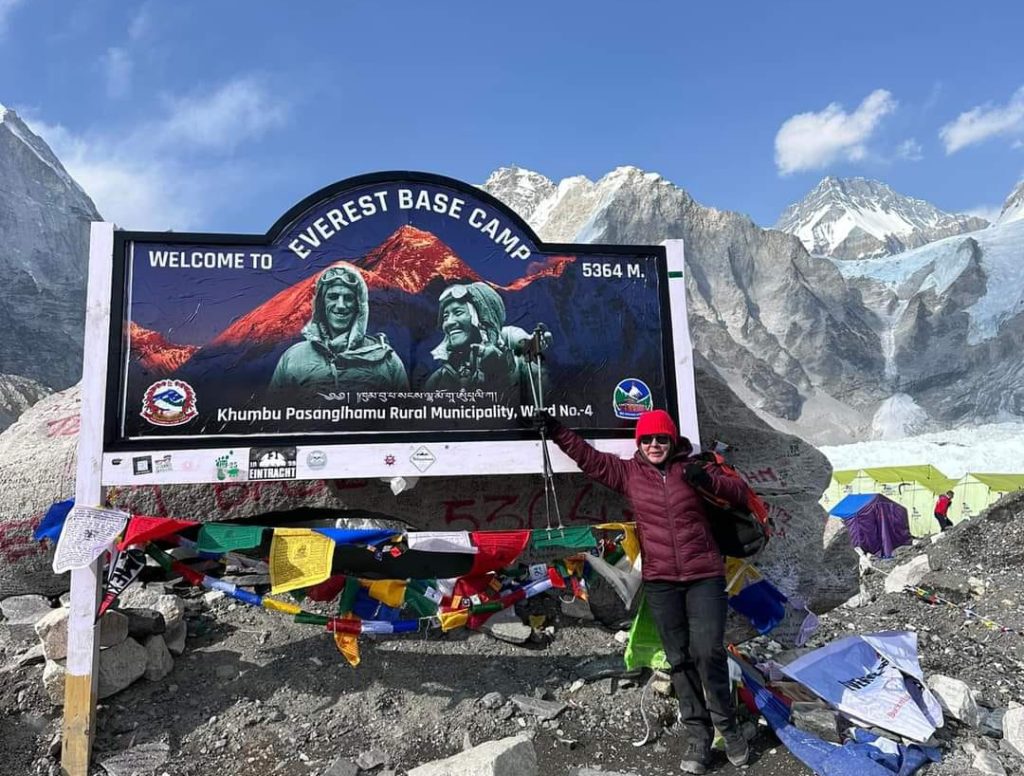
While the Everest Base Camp Trek can be completed throughout the year, certain months offer better weather, clearer mountain views, and more comfortable trekking conditions. Here is a month-by-month breakdown to help you choose the best time for your adventure.
April – The Ideal Trekking Month
April is often considered the best month for the Everest Base Camp Trek. The weather is stable, temperatures are comfortable, and the trails are decorated with blooming rhododendrons and other wildflowers. The mountain views are exceptionally clear, and Lukla flights are generally more reliable. The region also comes alive with mountaineering expeditions preparing for Everest summit attempts.
May – Warm Weather and Expedition Season
May continues to offer excellent trekking conditions, especially during the first three weeks of the month. The weather remains warm and clear, making it a popular time for trekkers and climbers alike. However, as the month progresses, pre-monsoon clouds begin to develop, particularly in the afternoons. Due to high demand, trails, teahouses, and flights are often at their busiest.
September – Fresh Landscapes and Fewer Crowds
September marks the beginning of the post-monsoon trekking season. Early in the month, occasional clouds may still linger, but visibility improves rapidly as the season progresses. The freshly washed landscapes are vibrant and green, and the trails are less crowded than in October, making September an excellent choice for trekkers seeking a balance between good weather and fewer visitors.
October – Peak Trekking Season
October is widely regarded as the most popular month for the Everest Base Camp Trek. Stable weather, crystal-clear skies, and excellent visibility create ideal trekking conditions. The trails are lively with trekkers from around the world, and the festive atmosphere of Nepal’s major celebrations adds a unique cultural experience. Advance booking is highly recommended due to the high demand for flights and accommodation.
November – Clear Views and Cooler Temperatures
November offers some of the clearest mountain views of the year. The weather remains stable and dry, while the crowds begin to thin out compared to October. Temperatures gradually become colder, especially at higher elevations, but trekking conditions remain favorable. It is an excellent month for those seeking great views without peak-season crowds.
March – Beginning of the Spring Season
March marks the start of the spring trekking season. Temperatures begin to rise after winter, and the trails become more active. While mornings and evenings can still be cold, the weather generally improves throughout the month. Snow may remain on some higher passes and viewpoints, but the combination of fewer trekkers and improving conditions makes March an attractive option.
December to February – Winter Adventure
Winter trekking offers a completely different Everest experience. These months are characterized by cold temperatures, shorter daylight hours, and occasional snowfall. However, trekkers are rewarded with peaceful trails, crystal-clear skies, and stunning snow-covered landscapes. Although winter trekking requires proper preparation and cold-weather gear, it is perfect for those seeking solitude and uninterrupted mountain views.
Best Time for Everest Base Camp Trek Based on Traveler Type
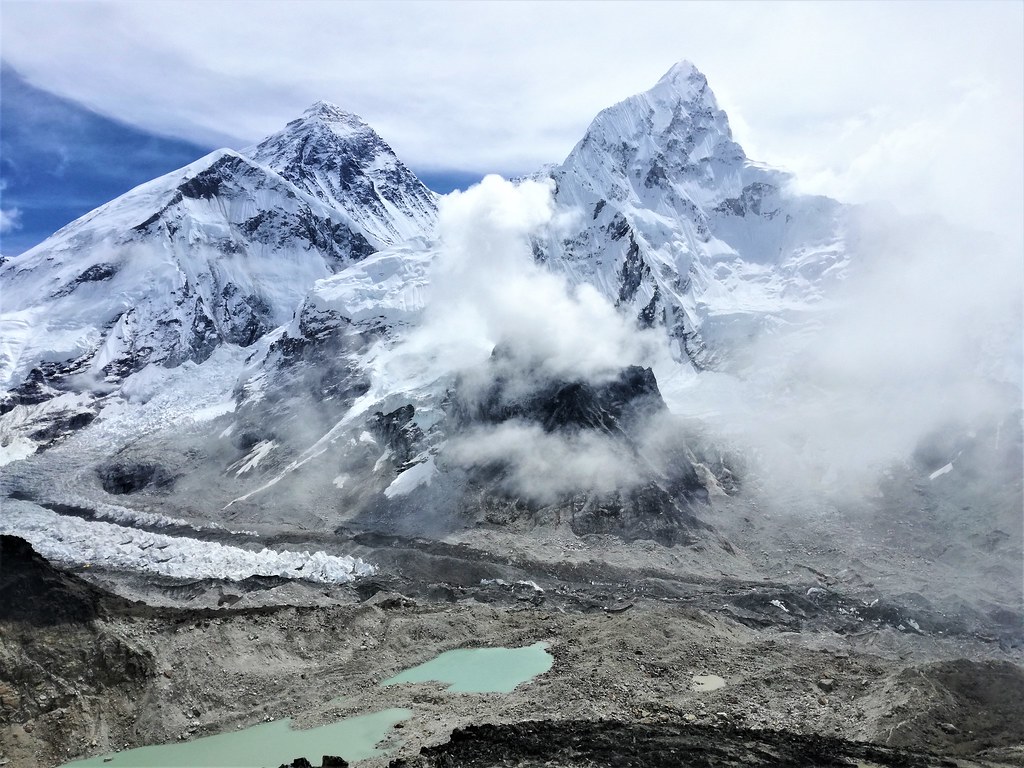
The best time for the Everest Base Camp Trek depends on your travel goals, experience level, and personal preferences. Whether you’re a first-time trekker, a photography enthusiast, or looking for a quieter adventure, choosing the right season can significantly enhance your experience.
Best Time for Beginners
For first-time trekkers, favorable weather and comfortable trekking conditions are essential. The best months for beginners are April, May, October, and early November.
During these months, the weather is generally stable, temperatures are moderate, and the trails are well-maintained. Clear mountain views, reliable flights to Lukla, and a lively trekking atmosphere make these periods ideal for those new to high-altitude trekking.
Best Time for Photography
Photographers often prioritize clear skies, excellent visibility, and dramatic mountain landscapes. October and November are considered the best months for photography in the Everest region.
Following the monsoon season, the atmosphere becomes exceptionally clear, offering crisp views of Mount Everest and surrounding peaks. The combination of vibrant landscapes, colorful villages, and stunning sunrises and sunsets creates perfect conditions for capturing unforgettable images.
Best Time to Avoid Crowds
If you prefer a quieter trekking experience, consider traveling during the shoulder seasons, such as late November, early March, or the winter months.
These periods see significantly fewer trekkers on the trails, allowing for a more peaceful journey and a deeper connection with the natural beauty and local culture of the Everest region. Accommodation is also easier to secure, and teahouses tend to be less crowded.
Best Budget-Friendly Time
Travelers looking to reduce costs may find the monsoon season (June to August) and winter season (December to February) more affordable.
During these off-peak months, flights, accommodations, and trekking services may be available at lower prices due to reduced tourist demand. While weather conditions can be more challenging, experienced trekkers and adventure seekers often appreciate the solitude, unique landscapes, and cost savings that these seasons offer.
Temperature and Weather at Everest Base Camp
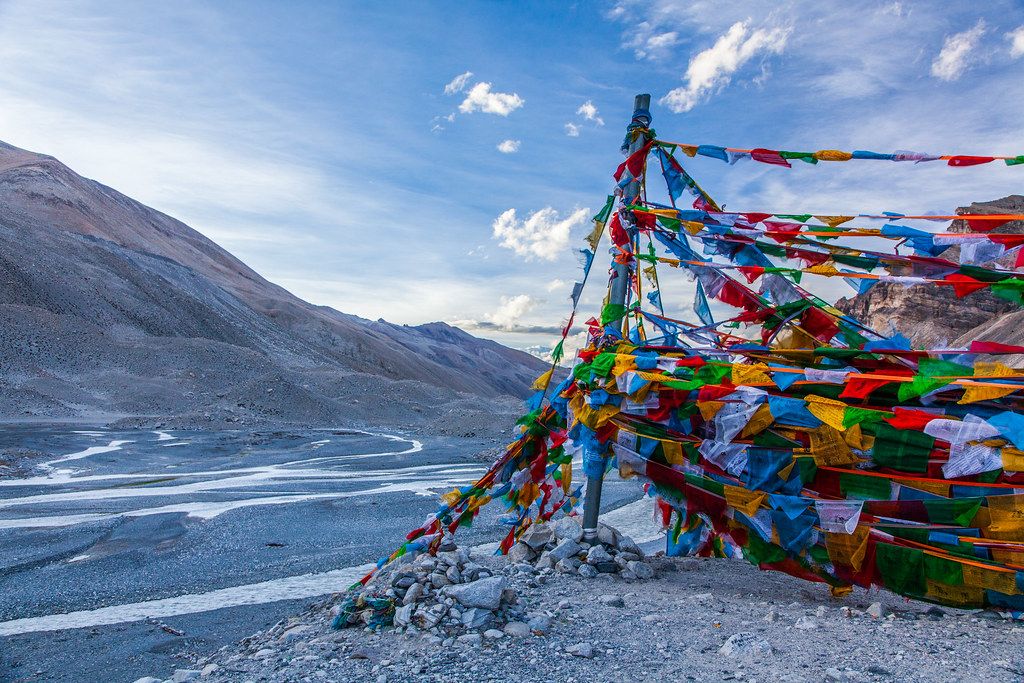
The temperature and weather conditions in the Everest region vary greatly depending on the season and altitude. Lower-altitude settlements such as Lukla (2,860m) and Namche Bazaar (3,440m) generally experience milder temperatures, while higher areas like Lobuche, Gorak Shep, and Everest Base Camp are considerably colder throughout the year.
During the peak trekking seasons of spring (March to May) and autumn (September to November), daytime temperatures at lower elevations typically range between 10°C and 15°C. As trekkers gain altitude, temperatures gradually decrease, and nighttime conditions often fall below freezing.
At Everest Base Camp (5,364m), temperatures are significantly colder, especially during the night. In spring and autumn, nighttime temperatures can drop to around -10°C, while winter temperatures may fall even lower.
Mountain weather in the Himalayas is highly unpredictable and can change rapidly. A bright and sunny morning may give way to cloud cover, strong winds, or snowfall later in the day, particularly during the monsoon and winter seasons. For this reason, trekkers should be prepared for a wide range of weather conditions throughout their journey.
Layered clothing is essential for staying comfortable on the trail, allowing trekkers to adapt to warm daytime temperatures and freezing nights. Proper preparation and an understanding of seasonal weather patterns can help travelers choose the best time for the Everest Base Camp Trek and enjoy a safer, more rewarding Himalayan adventure.
Factors to Consider When Choosing the Best Time
Selecting the right trekking season depends on several personal and practical factors.
- Experience Level: Beginners should prefer spring or autumn when trails are safer and weather is stable.
- Fitness Level: Cold winter trekking demands higher physical and mental endurance.
- Crowd Preference: If you prefer peaceful trekking, avoid peak months like October.
- Photography Goals: Autumn offers the best visibility for capturing Himalayan landscapes.
- Flight Reliability: Spring and autumn have the most reliable Lukla flights.
Crowds and Trekking Atmosphere
The Everest Base Camp Trek is one of the busiest trekking routes in the world. During peak seasons, especially autumn, trekkers from all over the globe share the trail.
Villages such as Namche Bazaar become social hubs where trekkers meet, rest, and acclimatize. In contrast, winter and monsoon seasons offer solitude but fewer facilities.
Flight Conditions to Lukla
All Everest Base Camp Treks typically begin with a flight from Kathmandu to Lukla. Weather plays a critical role in flight schedules.
- Spring and autumn: mostly reliable flights
- Winter: occasional delays due to fog or snow
- Monsoon: frequent cancellations due to rain and poor visibility
Planning buffer days is highly recommended regardless of season.
Tips for Choosing the Best Time for the Everest Base Camp Trek
Choosing the right time for the Everest Base Camp Trek requires careful planning, as weather conditions, crowd levels, and personal readiness all play an important role in shaping your experience.
First, consider your trekking experience and physical fitness level. Beginners are generally advised to choose stable seasons such as spring (March to May) or autumn (September to November), when weather conditions are more predictable and trail conditions are relatively comfortable.
It is also important to review seasonal weather patterns and stay updated with forecasts before your journey. Mountain weather in the Everest region can change quickly, so preparation helps you adjust to unexpected conditions.
During peak trekking seasons, flights to Lukla and accommodations in popular villages can fill up quickly. To avoid inconvenience, it is highly recommended to book flights and lodges in advance.
Packing appropriately is another key factor in ensuring a successful trek. Trekkers should carry layered clothing, warm insulation, waterproof jackets, and reliable trekking gear suitable for both warm daytime conditions and cold mountain nights.
With proper planning and preparation, trekkers can significantly enhance safety, comfort, and overall enjoyment while choosing the best time for the Everest Base Camp Trek.
Frequently Asked Questions (FAQs)
What is the best time for Everest Base Camp Trek?
The best time for the Everest Base Camp Trek is during spring (March to May) and autumn (September to November). These seasons offer the most stable weather conditions, clear Himalayan views, and safer trekking trails. Spring brings colorful rhododendron forests and slightly warmer temperatures, while autumn provides crystal-clear skies after the monsoon season. These two periods are considered ideal for both beginners and experienced trekkers.
How long does the Everest Base Camp Trek take?
The standard Everest Base Camp Trek takes around 12 to 14 days. This includes arrival in Kathmandu, flight to Lukla, trekking days, acclimatization stops, and return. However, many trekkers prefer a 15–18 day itinerary for a more relaxed pace, which helps reduce altitude sickness risks and improves overall enjoyment.
How difficult is the Everest Base Camp Trek?
The trek is considered moderate to challenging. No technical climbing skills are required, but the combination of long walking hours (5–7 hours daily), steep uphill sections, and high altitude makes it physically demanding. Mental strength, patience, and slow pacing are just as important as physical fitness.
What is the highest altitude of the trek?
The highest point is Everest Base Camp at 5,364 meters. Many trekkers also hike to Kala Patthar (5,545 meters), which offers the closest and most iconic panoramic view of Mount Everest and surrounding peaks.
Do I need prior trekking experience?
No prior trekking experience is required. Many first-time trekkers successfully complete the journey. However, it is strongly recommended to train before the trek by hiking, walking uphill, or doing cardio exercises to build endurance.
Is altitude sickness a serious risk?
Yes, altitude sickness is one of the biggest risks on this trek. It can affect anyone regardless of fitness level. Symptoms include headache, nausea, dizziness, and fatigue. Proper acclimatization days in places like Namche Bazaar and Dingboche are essential to reduce the risk.
What permits are required for the trek?
Two main permits are required:
- Sagarmatha National Park Entry Permit
- Khumbu Pasang Lhamu Rural Municipality Permit
These permits help regulate tourism and support conservation efforts in the Everest region.
How much does the Everest Base Camp Trek cost?
The total cost usually ranges between $1,200 to $2,500 per person. The price depends on factors such as guide and porter services, accommodation type, food, permits, domestic flights, and trekking duration. Luxury packages may cost more.
Is Wi-Fi available during the trek?
Yes, Wi-Fi is available in most teahouses through paid services like Everest Link. However, the internet speed is slow, and connectivity becomes weaker as altitude increases. It is best not to depend heavily on internet access during the trek.
Can I charge electronic devices on the trail?
Yes, charging facilities are available in most lodges, but they are usually paid services. At higher altitudes, electricity is limited and often powered by solar energy, so charging costs increase with elevation.
What type of accommodation is available?
Accommodation consists of basic teahouses run by local families. Rooms are usually twin-sharing with simple beds and blankets. Bathrooms are shared, and facilities become more basic as you ascend higher into the mountains.
What kind of food is available on the trek?
Food options are surprisingly diverse considering the remote location. Common meals include dal bhat (rice and lentils), noodles, fried rice, pasta, soups, eggs, potatoes, pancakes, and bread items. Fresh vegetables become limited at higher altitudes.
Is drinking water safe on the trek?
Tap water is not safe to drink directly. Trekkers should use boiled water provided by teahouses, or use water purification tablets or filters. Bottled water is available but becomes expensive and environmentally harmful at higher altitudes.
How cold does it get on the Everest Base Camp Trek?
Temperatures vary depending on season and altitude. At higher elevations like Everest Base Camp, temperatures can drop below -10°C to -20°C at night even in peak seasons. In winter, it can become even colder with heavy snowfall.
Is travel insurance necessary?
Yes, travel insurance is essential. It should cover high-altitude trekking (at least up to 6,000 meters) and include emergency helicopter evacuation. Without insurance, emergency rescue costs can be extremely high.
Can I do the Everest Base Camp Trek solo?
Yes, solo trekking is possible, but hiring a licensed guide is strongly recommended for safety, navigation, and cultural understanding. In some areas, regulations are also encouraging or requiring guided trekking.
How do I reach the starting point of the trek?
Most trekkers take a domestic flight from Kathmandu to Lukla Airport, one of the most famous mountain airports in the world. From Lukla, the trekking route officially begins toward Phakding and Namche Bazaar.
What fitness level is required?
A moderate level of fitness is required. Trekkers should be able to walk 5–7 hours per day carrying a light backpack. Training such as hiking, jogging, cycling, and stair climbing before the trek is highly beneficial.
What should I pack for the Everest Base Camp Trek?
Essential packing items include:
- Waterproof trekking boots
- Warm layered clothing (thermal, fleece, down jacket)
- Sleeping bag suitable for cold temperatures
- Rain jacket and windproof outer layer
- Gloves, hat, and sunglasses
- Sunscreen and lip balm
- First aid kit and personal medication
- Reusable water bottle
Packing light but efficiently is very important for comfort.
Is the Everest Base Camp Trek safe?
Yes, the trek is generally safe when properly planned. The main risks include altitude sickness, weather changes, and physical exhaustion. With proper acclimatization, a good guide, and careful preparation, thousands of trekkers complete this journey safely every year.
Conclusion
The best time for the Everest Base Camp Trek depends on what kind of experience you want. If your priority is clear mountain views and stable weather, autumn is the best choice. If you prefer natural beauty with blooming flowers, spring is ideal. For solitude and adventure, winter offers a unique challenge, while monsoon is best for those who enjoy quiet trails and green landscapes.


