

Nepal is a country known for its natural beauty, different types of land and lots of different plants and animals. It is also known for its culture and old traditions. People from different religions and backgrounds live together in Nepal. These include Hindus, Buddhists, Muslims, Christians, Sikhs and followers of Kirat. Nepal has different groups of people. Each group keeps its customs, languages and ways of doing things.
Festivals are very important in Nepal. They show the countrys mix of cultures. Different groups celebrate their festivals based on their beliefs.. Many festivals also bring people from different groups together.
One important festival in Nepal is called Janai Purnima. It is also known as the Sacred Thread Festival. This festival is mainly celebrated by Hindus.. It is also celebrated by some Buddhist and Jain groups in different ways. It happens on the moon day of the month called Shrawan. It is a day of rituals tying threads, family time and old traditions.
Janai Purnima Stories: Myths and Legends from Nepal
Janai Purnima has interesting myths and traditions. One popular story from Hinduism says that the wife of Indra tied a thread around his wrist before he fought the demon king Bali. This tradition is connected to the thread called janai that men from the Brahmin, Kshatriya and Vaishya communities wear.
People also tie a thread called doro around their wrist for protection and good luck. This thread is later removed during Laxmi Puja. According to tradition it may be tied to a cows tail as part of the belief about crossing the Baitarni River.
The festival is also connected to farming. After planting rice farmers traditionally thank frogs for bringing rain and helping the crops. Some offer rice and kwati to frogs. Others see this as a way of asking forgiveness for harming them while working in the fields.
Who Wears the Janai. When Do They Get It?
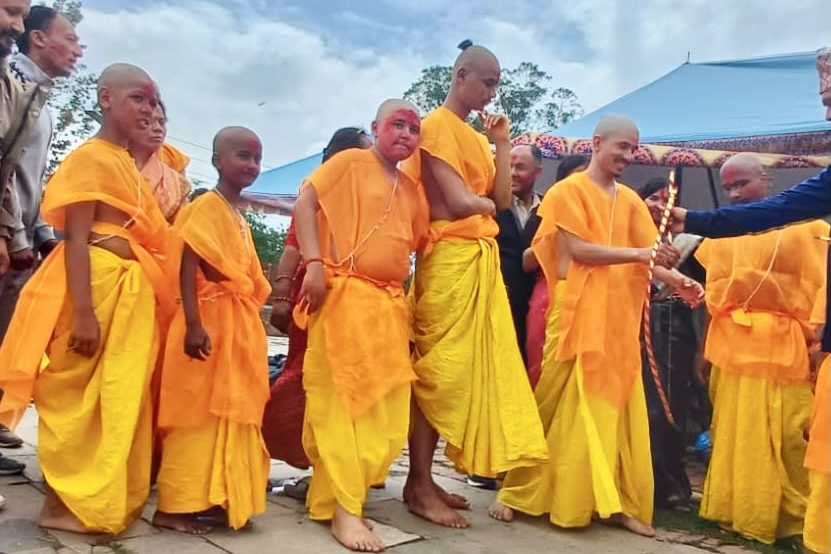
The janai or sacred thread is usually worn by Hindu men those from the Brahmin, Kshatriya and Vaishya communities. It is usually given during a ceremony called Bratabandha (Upanayana).
Bratabandha or Upanayana is a Hindu ceremony that marks a boys start in religious and learning life. During the ceremony he learns lessons, discipline and religious duties. It also marks the beginning of the Brahmacharya stage a time of study and self-control.
Bratabandha or Upanayana Ceremony
The number of strands in a janai can change depending on the community and tradition. Kshatriya men usually wear three strands. Brahmins may wear six strands. In some traditions three strands are added as a substitute for the uttariya an upper garment that was worn during religious rituals and yajnas.
Is There a Traditional Way to Wear the Janai? What Does It Mean?
Yes. There is a way to wear the janai or the sacred thread. It is usually placed over the shoulder and worn diagonally across the chest toward the right side of the waist.
For Hindus the janai is more than a religious thread. It stands for purity, responsibility, discipline and a promise to live the way. It reminds the wearer of the promises and teachings received during the Bratabandha ceremony. It encourages the person to live with respect, self-control and good character.
Traditionally the janai is also connected to knowledge, wisdom, strength, prosperity and spiritual protection. Wearing it is a reminder to do good things respect duties and live in a positive and disciplined way.
Why Is the Janai Changed on Janai Purnima?
Janai Purnima happens on the moon day of Shrawan. This month is considered holy in Hindu tradition. It is closely connected with Lord Shiva. The full moon is seen as a time for prayer, worship and other religious acts.
On this day people who wear the janai usually replace their thread with a new one. This practice shows purification, renewal and a fresh spiritual start. It also reminds the wearer of the promises and responsibilities taken during the Bratabandha ceremony. These include the promise to live in an correct way.
The new janai is usually blessed with words before being worn. Many people believe that this brings strength, wisdom, protection and blessings from gods. Because of this changing the janai is not about getting a new thread. It is an act that refreshes a persons connection with their faith and duties.
Can the Janai Be Changed on Days?
Yes. Janai Purnima is not the time when the sacred thread can be replaced. Traditional customs also say that it can be changed every four months. It can also be changed before Yagyas or religious ceremonies. It can also be changed after a time of being impure such as after a birth or death in the family.
The exact way can be different for each family and community.. The main idea is to keep the thread sacred and renew the spiritual promise it represents.
The Nine Strands of the Janai
The janai, also known as the thread has nine strands. Each strand has its meaning. It is connected to gods, nature or ancestors.
| Strand | Traditional Meaning |
|---|---|
| Omkar | Represents the presence of gods and goddesses |
| Agni | Symbolizes Agni, the god of fire |
| Naag | Represents the protection of water |
| Soma | Connected with plants, herbs and vegetables |
| Pitri | Honors ancestors and family |
| Prajapati | Represents the worlds creator |
| Vayu or Maruta | Symbolizes wind and air |
| Surya | Represents the Sun and life-giving energy |
| Vishwadev | Represents all gods and universal forces |
How Janai Purnima Is Celebrated
Janai Purnima starts with an early morning bath. This is usually done in a river or at home. Hindu men who wear the janai replace their thread with a new one on this day. The new thread is worn across the body from the shoulder to the right side of the waist.
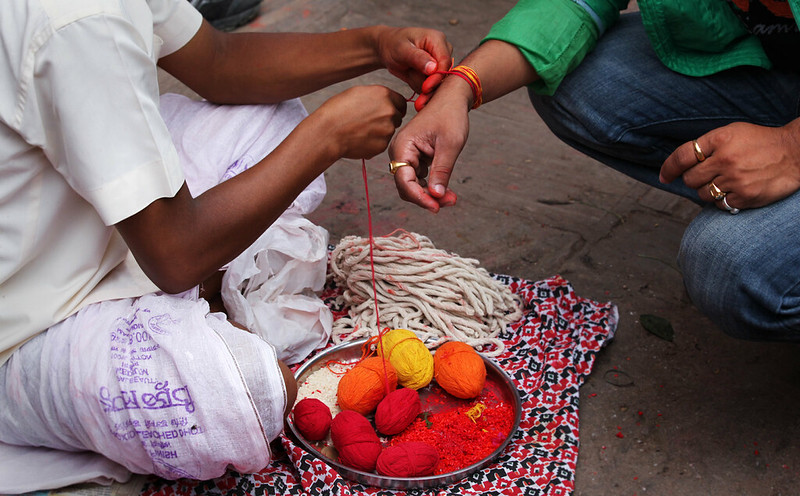
The festival is not about changing the janai. People of ages and genders also take part in the tradition of getting Doro, a special thread for protection. A priest ties the thread around the wrist while offering blessings for safety, health and good luck. People usually give a gift or donation to the priest as a sign of respect.
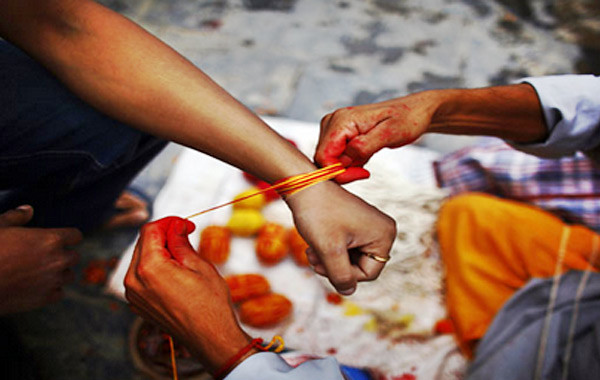
When tying the Doro the priest says a Sanskrit mantra:
“ येन बद्धो बलिराजा दानवेन्द्रो महाबलः ।
तेन त्वाम् प्रतिबध्नामि रक्षे मा चल मा चल ।।”
This talks about King Bali. Shows the idea of tying a person with a special thread for protection. In short it is a prayer that the thread stays strong and continues to protect the person who wears it.
The Doro is also connected to another festival in Nepal called Tihar. According to beliefs the thread is removed during Laxmi Puja, the third day of Tihar. It is then tied to a cow’s tail. Some communities believe this helps the soul cross the Baitarni River in the afterlife.
Together these traditions make Janai Purnima a festival of faith, protection, new beginnings and respect for ancestors and nature.
How Is Janai Purnima Celebrated in Nepal?
Janai Purnima is a festival that brings together religion, family, community and old beliefs. It takes place on the moon of Shrawan. This important Hindu festival is known for the thread rituals visits to temples, prayers and trips to holy places.
The word “janai” refers to the thread that Hindu men wear. The word “purnima” means moon. Even though the festival has Hindu roots its celebrations differ from one community and area of Nepal to another.
Changing the Sacred Janai
The known tradition of Janai Purnima is changing the janai. Men who have finished the Bratabandha ceremony wear the janai across their chest as part of their practice.
On the morning of Janai Purnima they usually start with a bath in a river, pond or another holy water source. After doing the rituals a priest blesses and gives them a new janai to replace the old one.
The three strands of the janai are seen as having meaning. They are often linked to the body, speech and mind. For those who wear it the thread is more than a symbol. It is a reminder to live with responsibility keep self-control and respect their duties.
Receiving Doro for Protection
People who do not wear a janai also have a role in the festival. They often visit a priest to get a Doro, a thread tied around the wrist.
Before tying the Doro the priest does a blessing or religious act. Traditionally people wear it hoping for protection, good health and good blessings.
The Doro is also connected to another tradition in Nepal. In some groups it is later tied to the tail of a cow during Tihar. This is part of the belief that the cow helps a soul cross the Baitarni River.
Honoring Saptarishis and Ancestors
Janai Purnima is also a time to remember the Saptarishis or seven respected sages in Hindu tradition.
Families may. Give offerings to show respect to these sages as well as to their ancestors. Remembering ancestors gives the festival an family meaning. It allows people to be thankful for the generations before them.
Visiting Kumbheshwar Temple
During Janai Purnima, the Kumbheshwar Temple, in Patan, Lalitpur gets visitors. People come to pray take part in events and take ritual baths.
The temple area has important religious spots, including Bangalamukhi and Ulmanta Bhairava. It is also famous for its water features. A popular local belief links the water at Kumbheshwar to Gosaikunda, one of Nepals sacred Himalayan lakes. Because of this link many devotees think that bathing at Kumbheshwar during Janai Purnima is very lucky.
Gosaikunda: A Sacred Janai Purnima Destination
Among the places connected with Janai Purnima Gosaikunda is very important. It is in the Langtang area at 4,380 meters and it draws many pilgrims during the festival. Gosaikunda is surrounded by religious stories. According to Hindu belief Lord Shiva made the lake by hitting the mountain with his trident. This story is tied to the poison he drank during the ocean churning
For devotees bathing in the lake is an important act of faith. Pilgrims travel distances, often walking for days through the mountains to get to Gosaikunda. They take a bath give prayers and spend time in devotion. Traditional beliefs say that bathing in the lake can help remove spiritual dirt and bring peace and blessings.
The journey also lets visitors enjoy the beauty of the Himalayas. The path to Gosaikunda goes through rhododendron, oak and bamboo forests, mountain villages, highland areas and amazing Himalayan views. This mix of religion and nature makes the trip special.
Feeding Frogs: A Special Local Tradition
Janai Purnima has another custom in some farming areas of Nepal: feeding frogs. People might prepare foods like Kwati, rice and roti. Leave them in or near their fields for frogs. This custom is linked to the belief that frogs bring rain.
For farming communities rain has always been important for crops. Feeding frogs is seen as a way to ask for rain and hope for a growing season. This simple practice shows how traditional Nepalese culture connects with farming and the natural world.
More Than a Religious Festival
Janai Purnima is not about changing an old thread for a new one. It is a festival of different customs, beliefs and family traditions. Some people spend the day changing their Janai while others get a Doro from a priest. Families remember their ancestors devotees go to temples and thousands of pilgrims travel to places like Gosaikunda.
The festival also shows the variety of culture. From events in Kathmandu Valley to traditional activities in rural farming areas Janai Purnima looks different all over the country. For travelers wanting to see Nepalese culture Janai Purnima gives a special look at the countrys living traditions. It shows how faith, family, nature, farming and community shape daily life in Nepal.
Raksha Bandhan and How Is It Celebrated?
Raksha Bandhan also called Rakhi is a festival that celebrates the bond between brothers and sisters. In Nepal it is especially common in the Terai area. Is celebrated on the same day as Janai Purnima. The name “Raksha Bandhan” means a bond of protection and care.
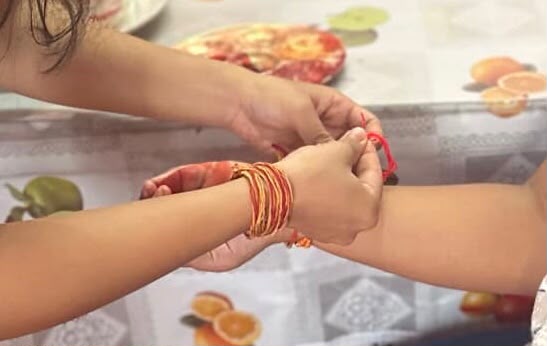
During the celebration sisters tie a Rakhi around their brothers’ wrists and pray for their health, happiness and safety. The brother then promises to support and care for his sister. Sisters may also put tika on their brothers’ foreheads offer prayers and exchange sweets and special foods. Brothers usually give gifts or money to their sisters as a sign of love.
Raksha Bandhan can also strengthen relationships beyond blood brothers and sisters as close friends may accept each other as brother and sister through the Rakhi ritual. The celebration brings families together. Shows values of love, respect, protection and togetherness.
Are Janai Purnima and Raksha Bandhan the Same?
Even though Janai Purnima and Raksha Bandhan are celebrated on the day they are separate traditions with different rituals. During Janai Purnima, Hindu men who wear the thread (Janai) usually replace their old thread with a new one after doing religious activities. Many people also get a protective thread called Doro from a priest.
Raksha Bandhan on the hand mainly focuses on the relationship between brothers and sisters. Sisters tie a Rakhi around their brothers’ wrists. Offer prayers for their well-being. Together these traditions make Janai Purnima a festival filled with culture that shows Nepal’s range of religious practices and family values.
🕉️ Janai Purnima Date 2026
| Festival | Gregorian Date | Weekday | Nepali Calendar (BS) |
|---|---|---|---|
| Janai Purnima / Raksha Bandhan | 28 August 2026 | Friday | 12 Bhadra 2083 |
Planning to experience Janai Purnima in Nepal?
For an authentic cultural experience, traditional celebrations, and festival-focused tours, you can contact a local travel agency for expert guidance and travel arrangements.
Kwati Purnima / Gunhi Punhi (Kwati Khani Din)
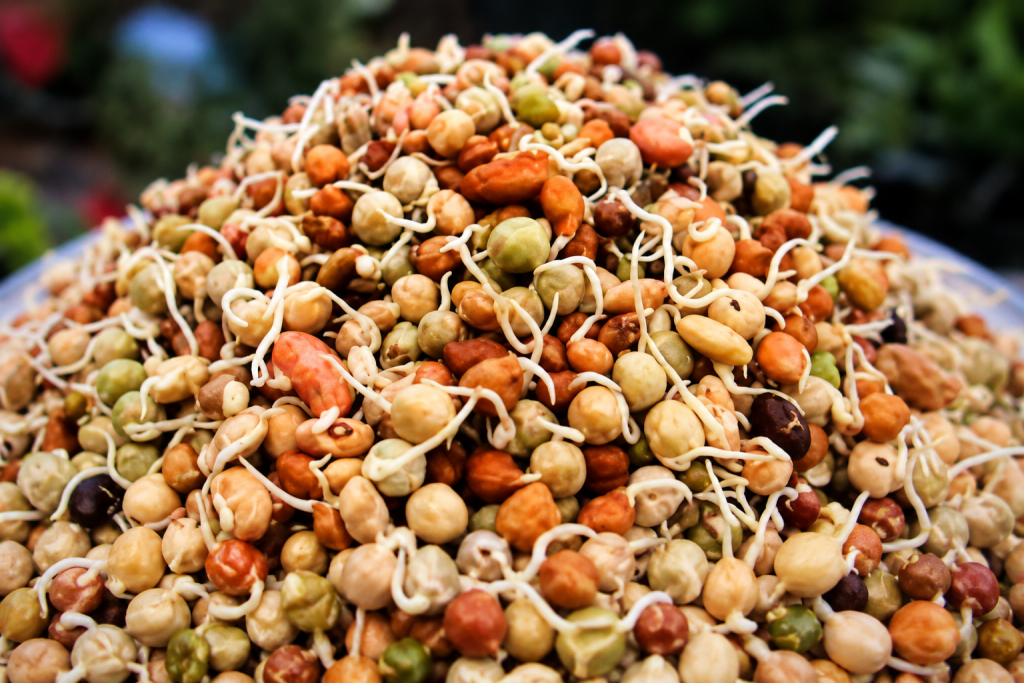
Kwati Purnima, Gunhi Punhi or Kwati Khani Din are names linked to Janai Purnima. The Newar community celebrates this festival as Gunhi Punhi. One main custom of the day is making Kwati, an healthy soup made in many Newar homes.
Kwati is made from a mix of nine sprouted beans and legumes like black gram, chickpeas, field beans, soybeans, green gram, field peas, garden peas, cowpeas and rice beans. The beans are soaked in water for a day then wrapped in a cloth for a few days to let them sprout. The sprouted beans are then cooked with spices to make a tasty soup, which can be eaten alone or with rice.
Kwati is especially loved during the season and is believed to give warmth, strength and nourishment to the body. Another interesting Gunhi Punhi custom among the Newar people is offering rice and Kwati to frogs. Frogs are connected with rain, which’s important for rice farming. People offer them food to show thanks for the rain and according to tradition to ask forgiveness for harming frogs while working in muddy rice fields.
Top Religious Places to Visit During Janai Purnima in Nepal
Janai Purnima is a time in Nepal when religion, family traditions and local culture come together. On this day people receive the thread visit temples take holy baths and spend time on customs passed through generations. For travelers Janai Purnima is also a great chance to discover Nepal beyond its mountains and trekking paths.
If you are planning a trip during the festival several places across Nepal offer a special experience. From a Himalayan lake to ancient temples in Kathmandu Valley here are some of the best religious spots to visit during Janai Purnima.
Gosaikunda – A Sacred Himalayan Pilgrimage
Gosaikunda is probably the place that comes to mind when talking about Janai Purnima pilgrimage in Nepal. The holy lake is high in the Langtang area. Becomes very busy during the festival. Pilgrims walk for days to reach the lake hoping to take a dip in its cold water.
The trip is not always easy. That is part of what makes it meaningful. Along the way you can see mountain views, forests, small villages and other pilgrims heading toward the lake. The quiet surroundings give the pilgrimage a feel from a regular mountain walk.
Pashupatinath Temple – The Spiritual Heart of Kathmandu
Pashupatinath is one of the important Hindu temples in Nepal and a natural choice for anyone wanting to experience Janai Purnima in Kathmandu. The temple complex gets very busy with worshippers who come to pray to Lord Shiva do rituals and get blessings.
The area around the Bagmati River is especially special during festivals. Even if you have been to Pashupatinath before seeing the temple during Janai Purnima can give you a view of Nepals living religious traditions.
Kumbheshwar Temple – A Local Janai Purnima Tradition
Kumbheshwar Temple is in Patan. Has a strong connection with the religious traditions of Janai Purnima. The temple has a pond and people gather here to bathe and pray during the festival.
One interesting part of Kumbheshwar is its link to Gosaikunda in beliefs. People who can’t make the trip to the Himalayan lake can visit this old temple and take part in related traditions within the Kathmandu Valley.
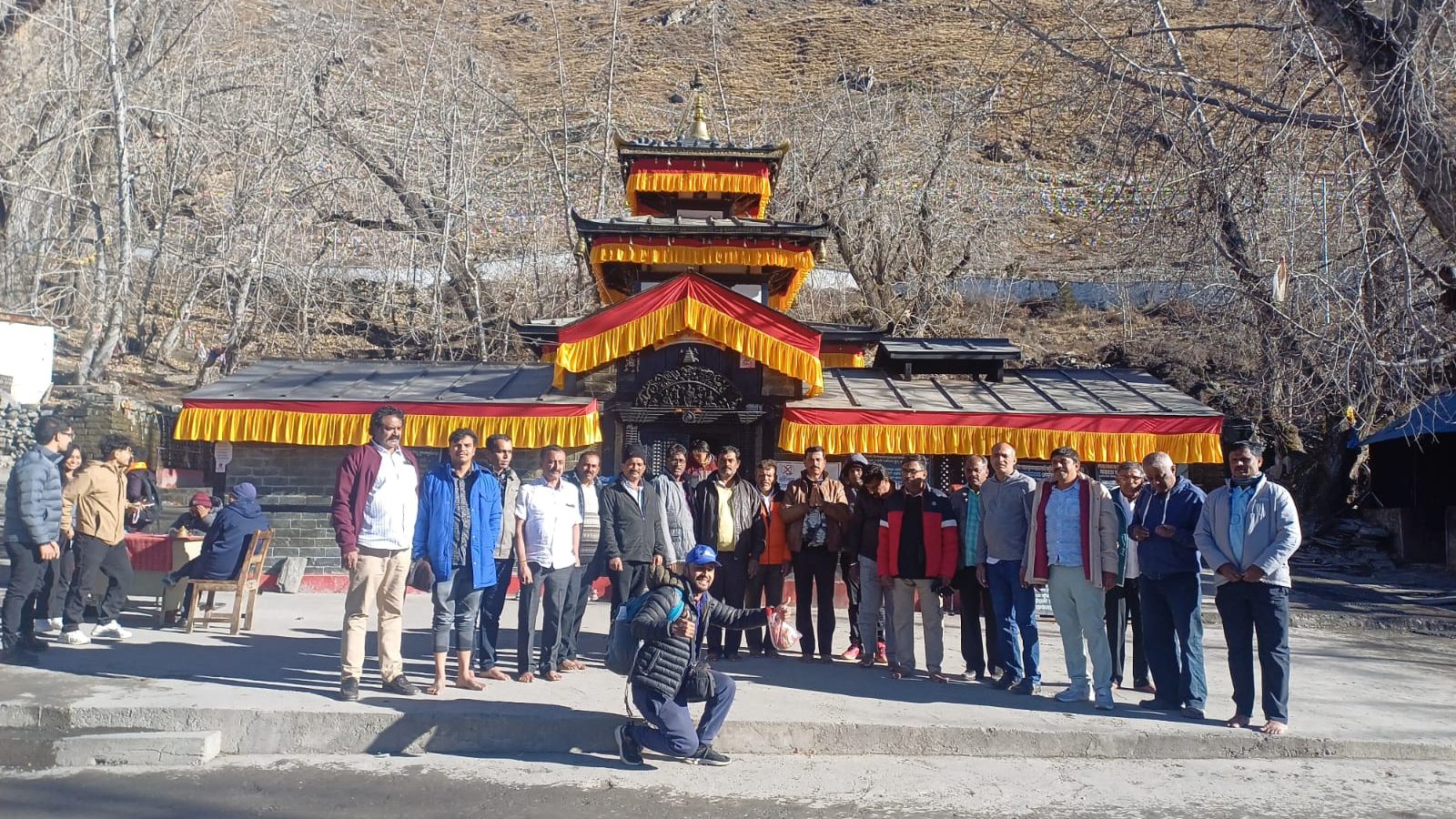
Muktinath – A Pilgrimage in the Himalayas
Muktinath is another religious place in Nepal. It is in Mustang. Is respected by both Hindu and Buddhist groups. The mix of religious traditions and the rugged Himalayan landscape makes Muktinath unique.
Visiting here is about more than reaching a temple. The trip through Mustang, the mountain views, traditional villages and peaceful surroundings all become part of the experience.
Devghat – Holy Rivers and Quiet Spirituality
Devghat is a known pilgrimage area near where the Kali Gandaki and Trishuli rivers meet. The sound of flowing water, riverside temples and peaceful surroundings create an atmosphere for visitors.
During Janai Purnima devotees come to Devghat to bathe, pray and take part in activities. It is a choice for travelers looking for a spiritual experience without a high-altitude trip.
Halesi Mahadev – A Temple Inside the Hills
Halesi Mahadev in Khotang is one of the known Shiva pilgrimage sites in eastern Nepal. The temple is linked to a cave making the place look and feel different from most other temples in Nepal.
The cave, religious shrines and surrounding hills create an atmosphere that feels ancient and peaceful. Visiting during Janai Purnima can be a way to experience the religious traditions of eastern Nepal.
Manakamana Temple – A Popular Pilgrimage Choice
Manakamana Temple in Gorkha is another spot for pilgrims. The temple is dedicated to Goddess Bhagwati and many visitors come here to offer prayers and ask for blessings.
The cable car has made the trip much easier for families and older people. During Janai Purnima the temple area shows a view of Nepals religious culture with pilgrims coming from all, over the country.
Janaki Temple – Discover the Spiritual Side of Janakpur
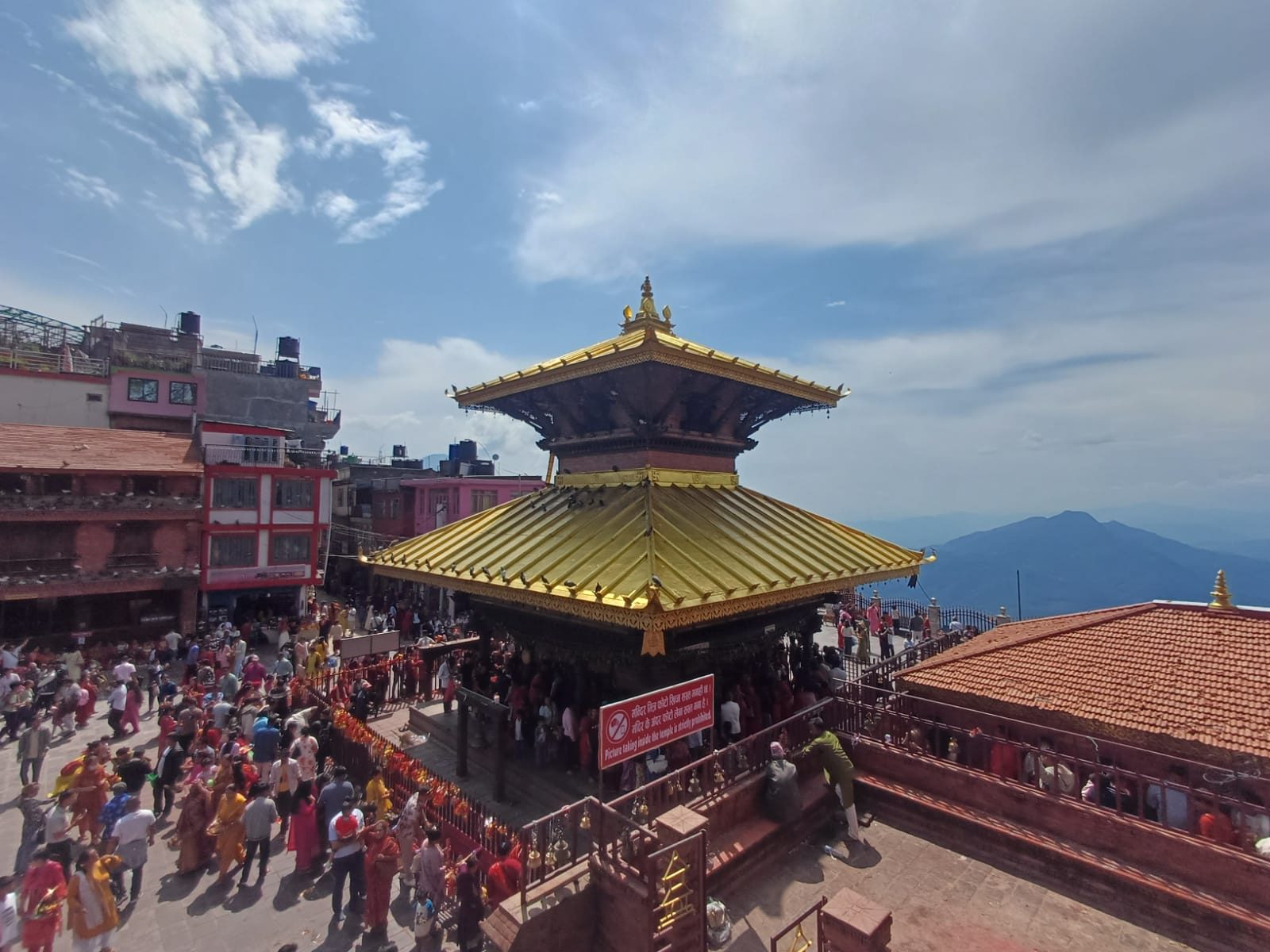
Janaki Temple in Janakpur is one of the recognizable religious landmarks in Nepal. Dedicated to Goddess Sita the temple is deeply connected with the Ramayana tradition. Holds great importance for Hindu devotees.
Visiting Janakpur during a festival allows travelers to experience more than the temple itself. The city has its distinctive culture, traditions, food and religious atmosphere making it an interesting addition to a Janai Purnima journey.
Baraha Kshetra – An Ancient Pilgrimage Site
Baraha Kshetra in Nepal is another important religious destination. Located near the Koshi River the area is associated with Lord Vishnu. Has been a pilgrimage site for generations.
The combination of rivers, temples, forests and traditional religious practices makes Baraha Kshetra an appealing destination for travelers in Nepals less-commercialized pilgrimage sites.
Why Visit These Places During Janai Purnima?
Janai Purnima offers a chance to see a side of Nepal that cannot always be experienced through sightseeing. Temples become gathering places for families and pilgrims traditional rituals take place throughout the day. Ancient customs continue to be practiced in everyday life.
Whether you choose the journey to Gosaikunda, a temple visit in Kathmandu Valley or a longer pilgrimage to Mustang or eastern Nepal the experience can give you a deeper understanding of Nepals religious and cultural heritage.
For travelers the festival is not about visiting a sacred place. It is about seeing how faith, community, landscape and tradition come together in Nepal.
Travel Tips for Visitors
Planning to celebrate Janai Purnima in Nepal? The festival is a wonderful opportunity to experience local traditions, but it’s important to be respectful and prepared. Here are a few simple tips to make your visit enjoyable:
- Go early: Temples can become very busy during Janai Purnima, so visiting early in the morning can help you avoid the biggest crowds.
- Dress appropriately: Choose comfortable and modest clothes when visiting temples and other religious places.
- Follow temple rules: Some temples require visitors to remove their shoes before entering, so follow the local customs and instructions.
- Respect the celebrations: People may be praying, receiving sacred threads, or taking part in traditional rituals. Give them space and avoid causing distractions.
- Be careful with photography: The colorful celebrations can be tempting to photograph, but ask permission before taking close-up pictures of people or religious ceremonies.
- Bring the essentials: A water bottle, sunscreen, and comfortable walking shoes are useful, especially if you plan to explore several places during the day.
- Trekking to Gosaikunda?Janai Purnima attracts many pilgrims to Gosaikunda, but the trek involves high-altitude walking. Carry suitable warm clothing and trekking gear, and give your body enough time to adjust to the altitude.
- Taste Kwati: One of the best ways to experience the festival is through food. Try Kwati, a hearty soup prepared from a mixture of sprouted beans and traditionally enjoyed around Janai Purnima.
Most importantly, come with an open mind and respect for the traditions you encounter. Janai Purnima is not just a festival to watch it is a chance to experience an important part of Nepal’s living culture.
Conclusion
Janai Purnima 2026 is more than a festival; it is a celebration of faith, tradition, family and community. Across Nepal people mark the occasion with rituals, temple visits, the changing of the Janai, Raksha Bandhan and traditional foods such as Kwati.
Known as Janai Purnima 2083 in the Nepali calendar the festival keeps centuries- traditions alive while bringing families and communities closer. For visitors it is also a chance to experience Nepal’s cultural and spiritual heritage firsthand. From observing rituals at temples to sharing a warm bowl of Kwati Janai Purnima offers a memorable glimpse into the traditions and everyday cultural life of Nepal
Frequently Asked Questions About Janai Purnima
When is Janai Purnima 2026?
Janai Purnima will be celebrated on August 28 2026 on the moon day of Shrawan.
Is Janai Purnima the same as Raksha Bandhan?
They take place on the day but the traditions are different. Janai Purnima is mainly associated with renewing the thread while Raksha Bandhan celebrates the special bond between brothers and sisters.
Can foreign visitors experience Janai Purnima?
Yes. Travelers can observe the festival and its rituals provided they respect religious customs and temple rules.
How challenging is the Gosaikunda trek?
Gosaikunda sits at 4,380 meters making the trek moderately challenging. Festival crowds, rain and slippery trails can make the journey more demanding during monsoon.
What is the traditional food for Janai Purnima?
Kwati is a festival dish, especially in the Kathmandu Valley. This hearty soup is prepared using a mixture of nine sprouted beans and lentils.
Why is Gosaikunda special during Janai Purnima?
Gosaikunda is considered sacred, to Lord Shiva. During Janai Purnima thousands of pilgrims travel to the lake to perform prayers and take a bath as part of their spiritual tradition.


