

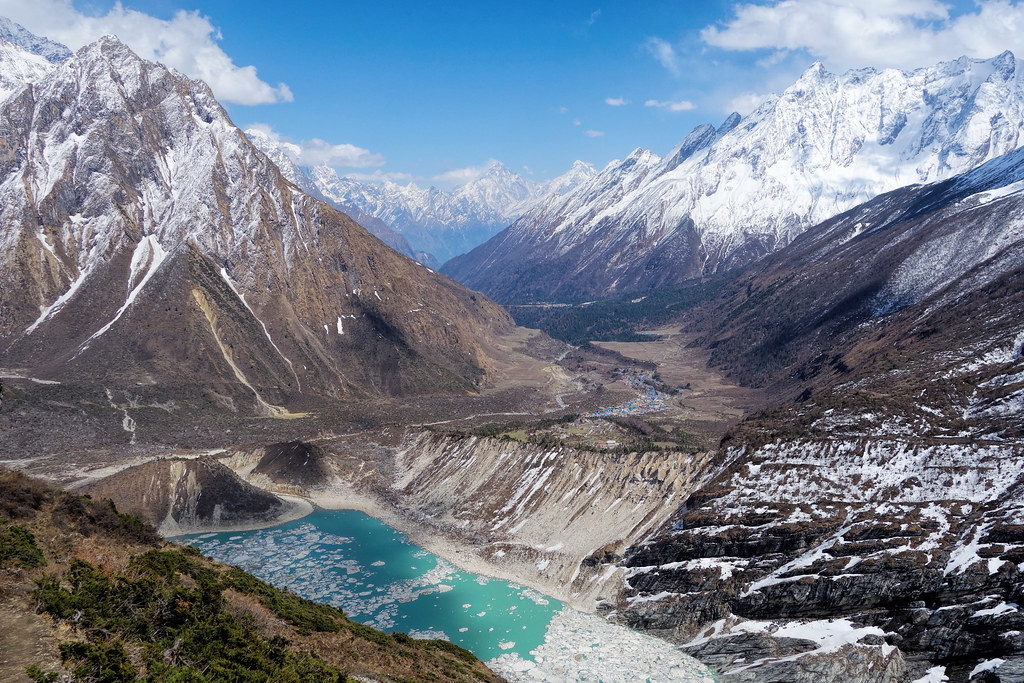
Samagaun is a beautiful mountain village located in the remote Manaslu region of Nepal at an elevation of approximately 3,530 meters (11,581 feet). Nestled in the heart of the Gorkha District, this traditional settlement is one of the most important stops on the Manaslu Circuit Trek and serves as a key acclimatization point before crossing the challenging Larke La Pass.
Surrounded by towering Himalayan peaks, alpine forests, and glacial landscapes, Samagaun offers trekkers breathtaking mountain scenery and an authentic cultural experience. The village is home to people of Tibetan origin, and their unique traditions, language, and Buddhist practices remain deeply rooted in everyday life. Prayer flags flutter in the mountain breeze, ancient mani walls line the trails, and monks can often be seen walking between homes and monasteries, creating a peaceful spiritual atmosphere.
Despite its remote location, Samagaun provides comfortable teahouse accommodations, making it an ideal place for trekkers to rest and acclimatize. The village is also the gateway to several popular side trips, including the stunning Birendra Lake and the rewarding hike to Manaslu Base Camp, both of which offer spectacular views of the surrounding glaciers and snow-capped peaks.
With its blend of natural beauty, rich cultural heritage, and trekking adventure, Samagaun is far more than just a stop along the trail. It is one of the highlights of the Manaslu region, offering visitors an unforgettable glimpse into the traditional mountain lifestyle of the Nepal Himalayas.
Major Highlights of Samagaon Village
- Spectacular Himalayan Views – Enjoy stunning panoramas of Mt. Manaslu (8,163 m), Himalchuli, Ngadi Chuli, and other surrounding peaks.
- Gateway to Manaslu Base Camp – Samagaon is the starting point for the popular acclimatization hike to Manaslu Base Camp.
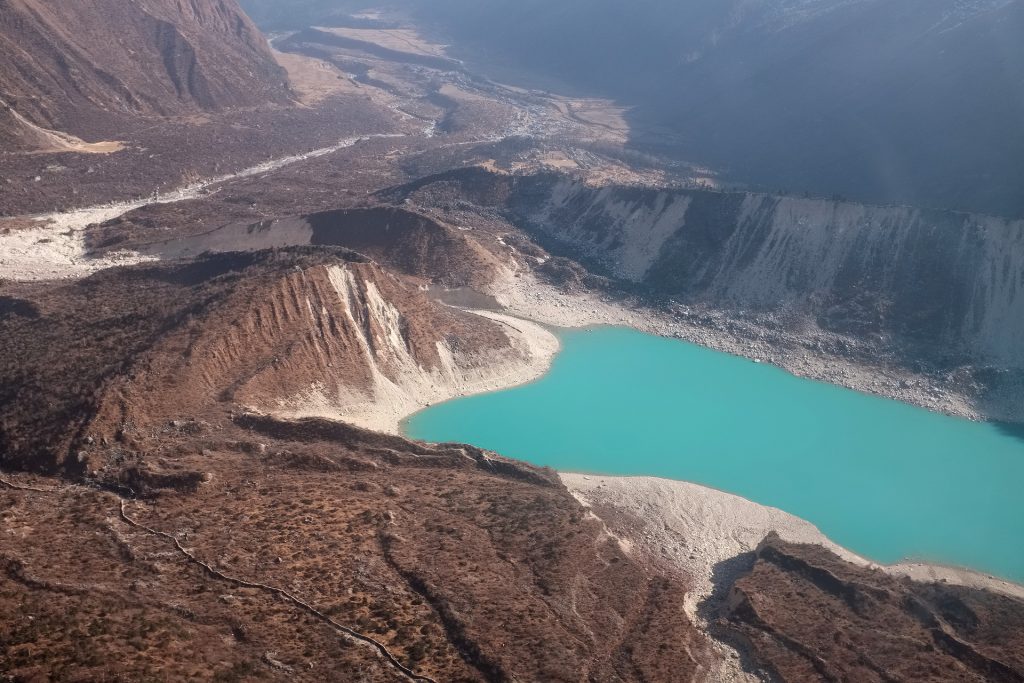
- Beautiful Birendra Lake – Visit the turquoise glacial lake located just a short walk from the village.
- Historic Pungyen Gompa – Explore an ancient Buddhist monastery surrounded by magnificent mountain scenery.
- Authentic Tibetan Culture – Experience the traditions, monasteries, prayer wheels, and daily life of the Nubri people.
- Ideal Acclimatization Stop – A perfect place to rest and adapt to the altitude before crossing Larkya La Pass.
- Comfortable Teahouses – Stay in welcoming family-run lodges offering warm meals and genuine Himalayan hospitality.
Quick Facts About Samagaon Village
- Altitude: 3,530 m (11,581 ft)
- Also Known As: Samagaun, Sama Village, Samagoan
- Location: Gorkha District, Manaslu Region, Nepal
- Trek Route Position: Major stop on the Manaslu Circuit Trek
- Nearby Villages: Lho, Shyala, Samdo
- Nearest High Pass: Larkya La Pass (5,106 m)
- Population: Approximately 300–400 residents
- Culture & Religion: Predominantly Tibetan Buddhist
- Required Permits: Restricted Area Permit (RAP) and Manaslu Conservation Area Permit (MCAP)
- Best Time to Visit: Spring (March–May) and Autumn (September–November)
- Accommodation: Family-run teahouses and lodges
- Communication: Limited NTC and Ncell coverage; Wi-Fi available in some lodges
- Popular Side Trips: Manaslu Base Camp, Birendra Lake, and Pungyen Gompa
Geography and Location of Samagaon Village
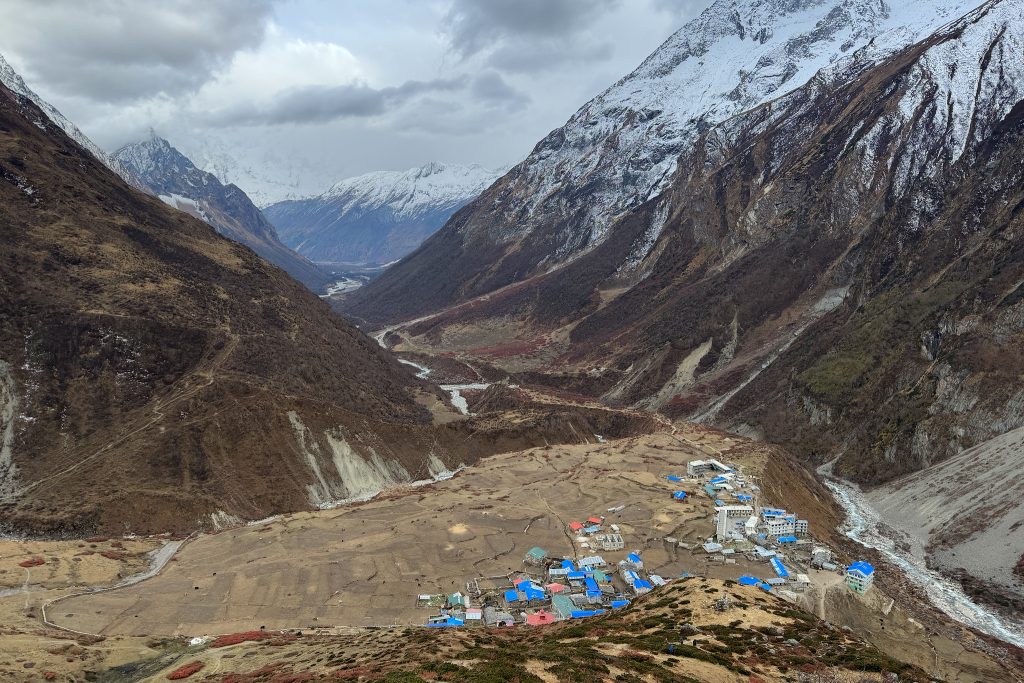
Samagaon is a picturesque Himalayan village located in the northern part of Gorkha District within Nepal’s renowned Manaslu region. Situated at an altitude of approximately 3,530 meters (11,581 feet), the village lies in the scenic Budhi Gandaki Valley and is surrounded by snow-capped peaks, alpine forests, and rugged mountain landscapes. Its pristine environment, fresh mountain air, and spectacular scenery make it one of the most attractive destinations along the Manaslu Circuit Trek.
The village enjoys breathtaking views of Mt. Manaslu (8,163 meters), the world’s eighth-highest mountain. Other prominent peaks, including Himalchuli (7,893 meters) and Naike Peak (6,760 meters), dominate the skyline and create a dramatic Himalayan backdrop. Samagaon also falls within the Manaslu Conservation Area, a protected region known for its rich biodiversity, diverse wildlife, and beautiful forests of pine, fir, and rhododendron.
Located between the villages of Lho and Samdo, Samagaon serves as an important stop on the Manaslu Circuit Trek. The trail from Lho gradually ascends through forests and traditional settlements before reaching this charming mountain village. Due to its strategic location and elevation, Samagaon is the primary acclimatization stop for trekkers preparing to continue toward Manaslu Base Camp and the challenging Larke Pass (5,106 meters).
The landscape surrounding Samagaon is a stunning blend of terraced farmland, glacial valleys, rocky cliffs, and dense forests. During spring, blooming rhododendrons add vibrant colors to the hillsides, while the Budhi Gandaki River flows through the valley below. Short hikes around the village allow visitors to explore both the natural beauty and the unique Tibetan-influenced culture of the region.
As one of the highlights of the Manaslu Circuit Trek, Samagaon offers an exceptional combination of breathtaking mountain views, cultural richness, and comfortable teahouse facilities. Whether used as an acclimatization stop or a base for exploring nearby attractions, the village provides trekkers with an unforgettable Himalayan experience in the heart of the Manaslu region.
Highlights & Attractions in Samagaun
Samagaun is one of the most rewarding stops on the Manaslu Circuit Trek, offering a rich mix of natural wonders, spiritual heritage, and cultural immersion.
Manaslu Base Camp
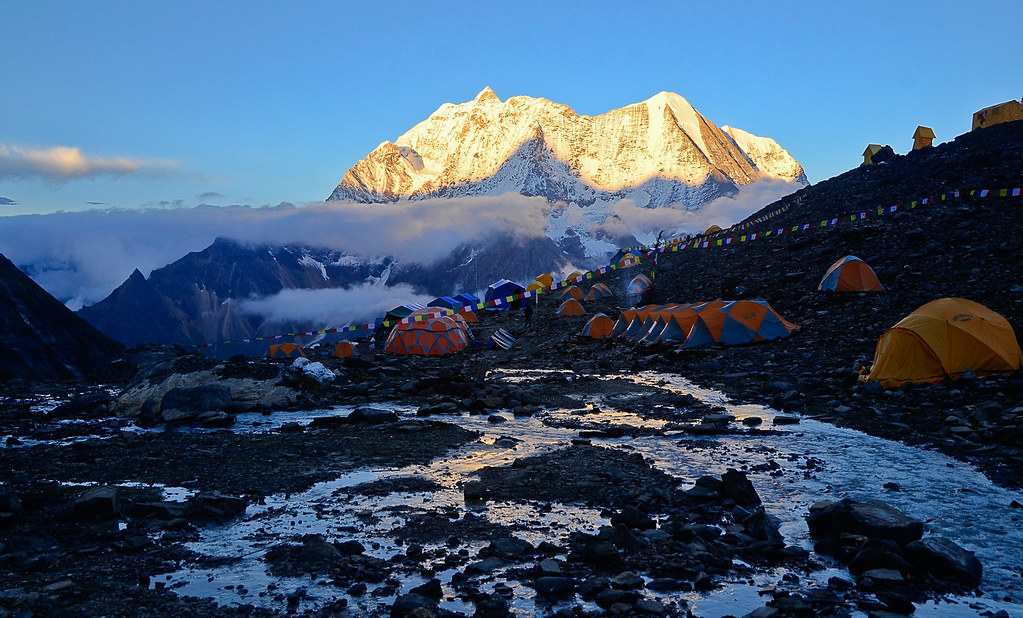
Samagaun is the closest settlement to Manaslu Base Camp, making it the main starting point for this challenging day hike. The trail rewards trekkers with dramatic views of the Manaslu Glacier and surrounding Himalayan peaks, offering one of the most impressive high-altitude experiences in the region.
Pungyen Monastery
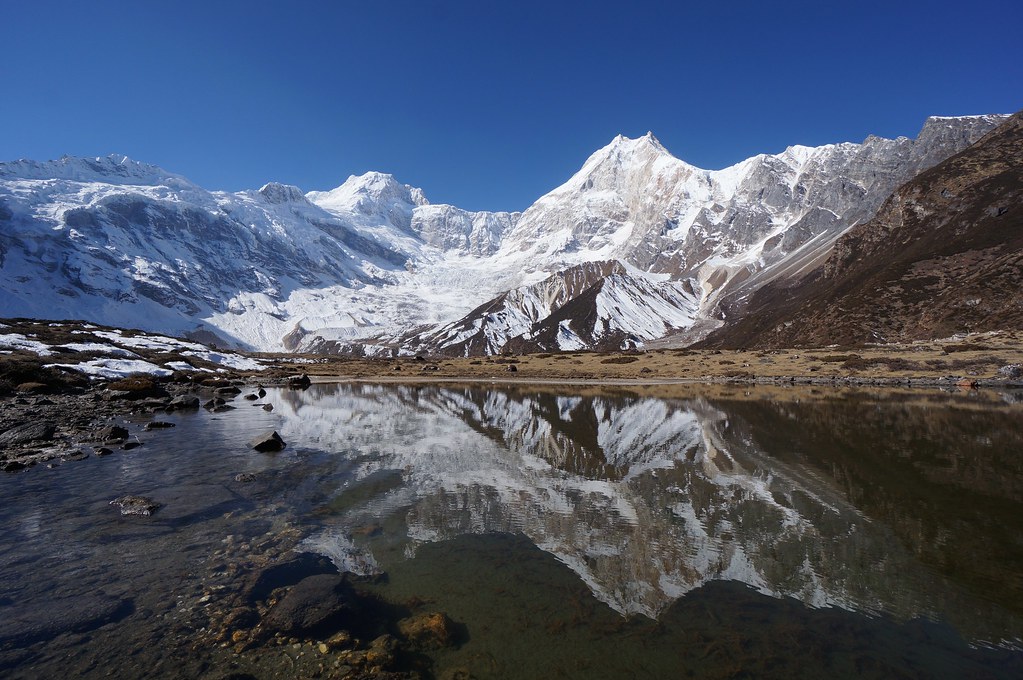
Situated south of the village, Pungyen Monastery is a peaceful Buddhist site that can be reached in about 2.5 hours of hiking. Set against a backdrop of glaciers and mountains, the monastery offers a quiet atmosphere for reflection along with panoramic Himalayan views, far from the busier trekking routes.
Birendra Lake (Birendra Tal)
A short hike of around two hours leads to the stunning Birendra Lake, a turquoise glacial lake located beneath the Manaslu Glacier. Surrounded by rugged terrain and ice formations, the lake is known for its striking beauty and occasional glacier activity, making it one of the most popular side trips from Samagaun.
Cultural Experience
Samagaun offers a unique glimpse into the traditional lifestyle of the Nubri people, who follow Tibetan Buddhism. Visitors can explore stone-built houses, observe daily village life, and experience local customs, prayer flags, mani walls, and monasteries that reflect the deep spiritual roots of the region.
Accessibility
Samagaon is a remote Himalayan village located at 3,530 meters and can only be reached by trekking. On the 12-Day Manaslu Circuit Trek, trekkers typically arrive in Samagaon after several days of hiking through villages such as Jagat, Deng, Namrung, and Lho. The village serves as an important acclimatization stop before continuing toward Larke Pass (5,106 m). The trail is well-established, and the best times to visit are during spring and autumn when weather conditions are favorable. Limited Wi-Fi and mobile network services are available in some lodges.
Facilities
As one of the largest villages in the Manaslu region, Samagaon offers excellent facilities for trekkers. The village has comfortable teahouses, hot showers, charging facilities, Wi-Fi, small shops, pharmacies, and basic health services. Visitors can enjoy a variety of Nepali and Tibetan dishes, including dal bhat, noodles, soups, and Tibetan bread. Although there are no ATMs, essential supplies are available. With its comfortable lodges, stunning mountain scenery, and rich Tibetan culture, Samagaon is one of the most popular and enjoyable stops on the Manaslu Circuit Trek.
Best Season to Visit Samagaun
Autumn (September to November):
Autumn is registered as the season that is the most popular to consider visiting Sama Gaun. It is clear weather with spectacular views of Mount Manaslu and the adjacent mountains. Daytime temperatures are agreeable during the trek, forests and valleys are green after the monsoon, and the local festivals bring trekkers a true village sightseeing experience.
Spring (March to May):
Another great season is spring, particularly for those who are crazy about nature. The development begins into rhododendrons, alpine flowers whose color enlivens the forests. Trails are usually fairly good, but there are portions of higher elevation that could also have remaining snow.
Winter (December to February):
The trails are smooth, and the scenery is quiet with fewer trekkers in winter. The night may get colder than freezing, with the possibility of some trails being covered in snow, so trekking becomes more complicated. Clearly sunny days grant rocky mountain views in the panorama.
Monsoon (June to August):
Monsoon is typically advised against because there is heavy rainfall, slippery paths and a danger of landslides. Although the landscape is verdant and green, walking is agglomerated and unsafe.
Festivals and Cultural Events
Visiting Samagaun during local festivals offers a deeper cultural experience. The Tibetan New Year (Lhosar), usually celebrated in February or March, brings monastery rituals, prayers, and vibrant community gatherings. Saga Dawa (May–June) is another important festival that marks Buddha’s enlightenment, with pilgrims traveling to Pungyen Gompa and other sacred sites. In autumn (October–November), the Tihar festival lights up villages with traditional oil lamps and celebrations. While these festivals provide a unique cultural insight, they may also affect lodge availability, so planning ahead is recommended.
Off-Season Considerations
The monsoon season (June–August) brings heavy rainfall, slippery trails, and limited mountain visibility, though it rewards trekkers with lush green landscapes and fewer crowds. Winter (December–February) offers a quiet trekking experience but requires proper gear for sub-zero temperatures and occasional trail challenges. The best trekking conditions are found in spring (April–May), with blooming wildflowers, and autumn (September–November), known for clear skies and stable weather. Regardless of season, trekkers should be prepared for significant temperature differences between day and night at high altitude.
Permits and Trekking Regulations
All trekkers visiting Samagaun in the Manaslu region must obtain three essential permits: the Manaslu Restricted Area Permit (RAP), the Manaslu Conservation Area Permit (MCAP), and in some cases the Annapurna Conservation Area Permit (ACAP). The RAP requires at least two trekkers and a licensed guide, and all permits must be arranged through a registered trekking agency, as independent applications are not allowed.
For those extending their trek into Tsum Valley, an additional restricted area permit is required, while MCAP and ACAP remain valid for both regions. This extension allows access to culturally significant monasteries such as Mu Gompa.
Permit regulations remain the same throughout the year, although access may be affected during the monsoon season due to landslides. Peak trekking seasons see stricter checkpoint monitoring, while winter trekking requires additional preparation and appropriate cold-weather equipment.
Responsible Tourism Practices in Samagaun
Samagaun is a culturally rich and environmentally sensitive Himalayan destination. Visitors are encouraged to follow responsible tourism practices that protect the fragile ecosystem, respect local traditions, and support the local community.
Leave No Trace Principles
The Himalayan environment around Samagaun is very delicate, so careful trekking practices are essential:
- Waste Management: Carry all non-biodegradable waste, including used toilet paper, back with you. Waste facilities in tea houses are limited.
- Human Waste: Use toilets where available. In remote areas, bury waste at least 15 cm deep and 100 m away from water sources.
- Water Protection: Do not use soap or shampoo directly in rivers or streams. Wash at least 50 m away and use biodegradable products sparingly.
- Trail Etiquette: Stay on marked trails to reduce erosion and protect vegetation.
Economic Responsibility
Help support the local Nubri community through fair and ethical spending:
- Buy Local: Purchase handicrafts directly from local artisans whenever possible.
- Fair Pay: If hiring independent porters, ensure wages meet TAAN standards (minimum $15/day plus food and accommodation).
- Tipping: Optional, but when given, it should go directly to guides, porters, and lodge staff.
Safety Tips and Emergency Information
Due to its high altitude, Samagaun carries a risk of Acute Mountain Sickness (AMS). Early symptoms include headache, nausea, dizziness, and fatigue. More serious cases may involve confusion or vomiting.
If symptoms appear, stop ascending immediately. If they worsen or do not improve within 24 hours, descend without delay.
A basic health post operated by Community Action Nepal is available in Samagaun for minor treatment and emergency support. Helicopter evacuation is also possible when weather conditions allow.
Medical Preparedness
Carry a well-equipped first aid kit including blister care, antiseptics, bandages, pain relief medication, anti-nausea tablets, and oral rehydration salts. A pulse oximeter is also useful for monitoring oxygen levels at altitude.
Important emergency contacts should be kept handy, including trekking agency support, rescue services (1149), and local authorities (100). Travel insurance covering high-altitude trekking and helicopter evacuation is strongly recommended.
Communication and Evacuation
Mobile coverage is limited, with Nepal Telecom being the most reliable network. Satellite phones are the safest option for emergency communication.
Helicopter evacuations are available but depend on weather conditions and typically transfer patients to hospitals in Pokhara after initial descent. It is strongly advised to trek with a licensed guide who can coordinate emergency procedures.
Terrain and Weather Hazards
Trail conditions can be challenging, especially on glacial sections and river crossings during the monsoon season (June–September). There is also potential avalanche risk between Samagaun and Samdo.
Weather can change quickly in the afternoon, often reducing visibility. Proper gear and flexible planning are essential.
Pre-Trek Health Preparation
Before traveling, complete a basic medical check-up, including cardiovascular and dental assessments. Ensure routine vaccinations are up to date, and consider Hepatitis A and Typhoid vaccinations. Review any regular medications with a doctor to ensure they are safe for high-altitude trekking.
You’re using a less powerful model until your limit resets after 6:09 PM. Upgrade to get more access.
Claim free offer.
FAQS
Where is Samagaun located and what is its geographical importance?
Samagaun is a high-altitude Himalayan village located in the Nubri Valley of the Gorkha District in northern Nepal. It lies inside the Manaslu Conservation Area and sits along the famous Manaslu Circuit Trek route. Geographically, it is positioned close to the base of Mount Manaslu (8,163m), making it one of the most important settlements for trekkers moving deeper into the restricted Himalayan zone.
Why is Samagaun considered a key acclimatization point on the Manaslu Circuit Trek?
Samagaun is one of the most important acclimatization stops on the entire Manaslu Circuit because it sits at around 3,500 meters. Trekkers usually spend an extra day here to allow their bodies to adjust to lower oxygen levels before heading toward even higher elevations like Samdo and Larke La Pass (5,160m). Without proper acclimatization in Samagaun, the risk of Acute Mountain Sickness increases significantly.
What makes Samagaun culturally different from other Himalayan villages?
Samagaun is deeply influenced by Tibetan Buddhist culture due to its proximity to Tibet. The village is filled with prayer wheels, mani walls, chortens, and centuries-old monasteries. The lifestyle, language, dress, and rituals of the local Nubri people closely resemble Tibetan traditions, giving trekkers a rare cultural experience that feels untouched by modern urban influence.
How challenging is it to reach Samagaun during the trek?
Reaching Samagaun involves several days of trekking through remote terrain, including suspension bridges over the Budhi Gandaki River, narrow forest paths, and gradual altitude gain. While no technical climbing is required, the trek becomes physically demanding due to long walking hours, steep ascents, and decreasing oxygen levels as you move higher into the Himalayas.
What is the exact altitude of Samagaun and why is it significant?
Samagaun is located at approximately 3,500 meters (11,480 feet). At this altitude, the air contains about 30% less oxygen than at sea level, which directly affects breathing, stamina, and physical performance. This is why trekkers must slow down their pace and allow their bodies enough time to adjust before continuing further uphill.
What are the best side hikes from Samagaun for acclimatization?
Samagaun offers some of the most beautiful acclimatization hikes in Nepal. The most popular include the hike to Manaslu Base Camp (4,800m), which provides close-up glacier and mountain views; the peaceful Birendra Lake, formed from glacial meltwater; and Pungyen Gompa, a spiritual monastery surrounded by dramatic Himalayan landscapes.
Is Samagaun suitable for beginner trekkers?
While Samagaun is accessible to beginners with good fitness levels, it is still a high-altitude destination requiring preparation. Beginners should be aware of altitude effects and should ideally trek with a licensed guide. Proper pacing, hydration, and acclimatization make it manageable even for first-time Himalayan trekkers.
What type of accommodation is available in Samagaun?
Accommodation in Samagaun mainly consists of traditional tea houses and small lodges. Rooms are simple, usually with twin beds, blankets, and shared bathroom facilities. While not luxurious, they provide warmth, local hospitality, and a chance to experience authentic Himalayan village life.
What kind of food can trekkers expect in Samagaun?
Food in Samagaun is simple, nutritious, and designed for trekkers. Common meals include dal bhat (rice, lentils, and vegetables), Tibetan bread, noodles, soups, potatoes, and sometimes basic pasta dishes. As altitude increases, food variety becomes more limited, but meals are freshly prepared and filling.
How reliable is internet and mobile connectivity in Samagaun?
Connectivity in Samagaun is limited and often unreliable. Nepal Telecom provides the most consistent mobile coverage, but signals may weaken due to weather conditions and terrain. Some lodges offer Wi-Fi services, but speeds are generally slow and not suitable for heavy usage.
What wildlife can be found around Samagaun?
The surrounding Manaslu Conservation Area is rich in Himalayan biodiversity. Trekkers may encounter animals such as Himalayan tahr, blue sheep (bharal), musk deer, and a variety of high-altitude birds. The region is also part of the natural habitat of the elusive snow leopard, though sightings are extremely rare.
Is it safe to trek alone to Samagaun?
Solo trekking in the Manaslu region is not permitted because it is a restricted area. A licensed guide is mandatory for all foreign trekkers. This rule enhances safety, ensures navigation support, and helps manage emergencies in this remote region.
What are the biggest risks in Samagaun?
The primary risks include altitude sickness, sudden weather changes, dehydration, and fatigue. The terrain itself is not technically dangerous, but the combination of high altitude and remote location requires careful planning and awareness.
How cold does it get in Samagaun throughout the year?
Temperatures in Samagaun vary by season. In spring and autumn, daytime temperatures are mild but nights can drop below freezing. During winter, the village experiences heavy snowfall and extremely cold conditions, making trekking more challenging or sometimes inaccessible.
What permits are required to visit Samagaun?
Trekkers must obtain several permits: the Manaslu Restricted Area Permit (RAP), Manaslu Conservation Area Permit (MCAP), and Annapurna Conservation Area Permit (ACAP). These permits help regulate tourism and protect the fragile ecosystem and local culture.
Are medical facilities available in Samagaun?
Yes, Samagaun has a small health post that provides basic medical care, including treatment for minor injuries and altitude-related symptoms. However, advanced medical treatment requires evacuation to lower altitudes or cities like Kathmandu or Pokhara.
Is helicopter evacuation possible from Samagaun?
Helicopter rescue services are available and often used in emergencies such as severe altitude sickness or injuries. However, flights depend entirely on weather conditions and visibility, which can change rapidly in the mountains.
What is the best time to visit Samagaun for trekking?
The best trekking seasons are spring (March to May) and autumn (September to November). During these months, weather conditions are stable, skies are clear, and mountain views of Manaslu and surrounding peaks are at their best.
What kind of natural scenery surrounds Samagaun?
Samagaun is surrounded by dramatic Himalayan scenery, including glaciers, alpine meadows, glacial rivers, and towering peaks. The village offers direct views of Mount Manaslu and sits in a landscape shaped by ice, rock, and centuries of natural evolution.
Why do trekkers describe Samagaun as a life-changing destination?
Trekkers often find Samagaun unforgettable because it combines raw Himalayan beauty, deep cultural authenticity, and spiritual calmness. The isolation, mountain silence, and breathtaking scenery create a powerful emotional experience that stays with visitors long after the trek ends.
Conclusion
Samagaun is truly the heart of the Manaslu region, offering a perfect blend of natural beauty, rich Tibetan-influenced culture, and unforgettable Himalayan trekking experiences. Whether you are heading towards Manaslu Base Camp or exploring the surrounding landscapes, this peaceful village provides both adventure and cultural depth. A journey to Samagaun is not just a trek it’s a life-changing experience in the Himalayas.


