
A scenic and immersive 12-day trek through the Annapurna region, combining stunning mountain views, traditional villages, and serene forests, with an optional challenging hike to Khayer Lake.
As soon as you land in Nepal, your adventure begins. If you are not tired after your flight, you can explore, go shopping in the Thamel area, or rest in your hotel. You will leave Kathmandu early in the morning after breakfast and go to Pokhara, where you will spend the night.
On the following day, you will first take a short drive to Kimche and start your trek towards Ghandruk village. At Ghandruk, you can explore the village and visit the Gurung Cultural Museum. The next day, you walk through the lush rhododendron forests to Tadapani.
Following Tadapani, there is a trail that climbs and descends. Crossing this path, you will reach the Gurung village of Isharu, where you can rest and have lunch. From Isharu, it’s a steep hike to Dobato, along paths carved on the side of hills covered with stubby grasses. It is located just below the Muldai Viewpoint, one of the best viewpoints in the Annapurna Region. Dobato is a name that translates to “two ways” in Nepali. One path leads us to Khopra, whereas another connects to the other routes in Annapurna.
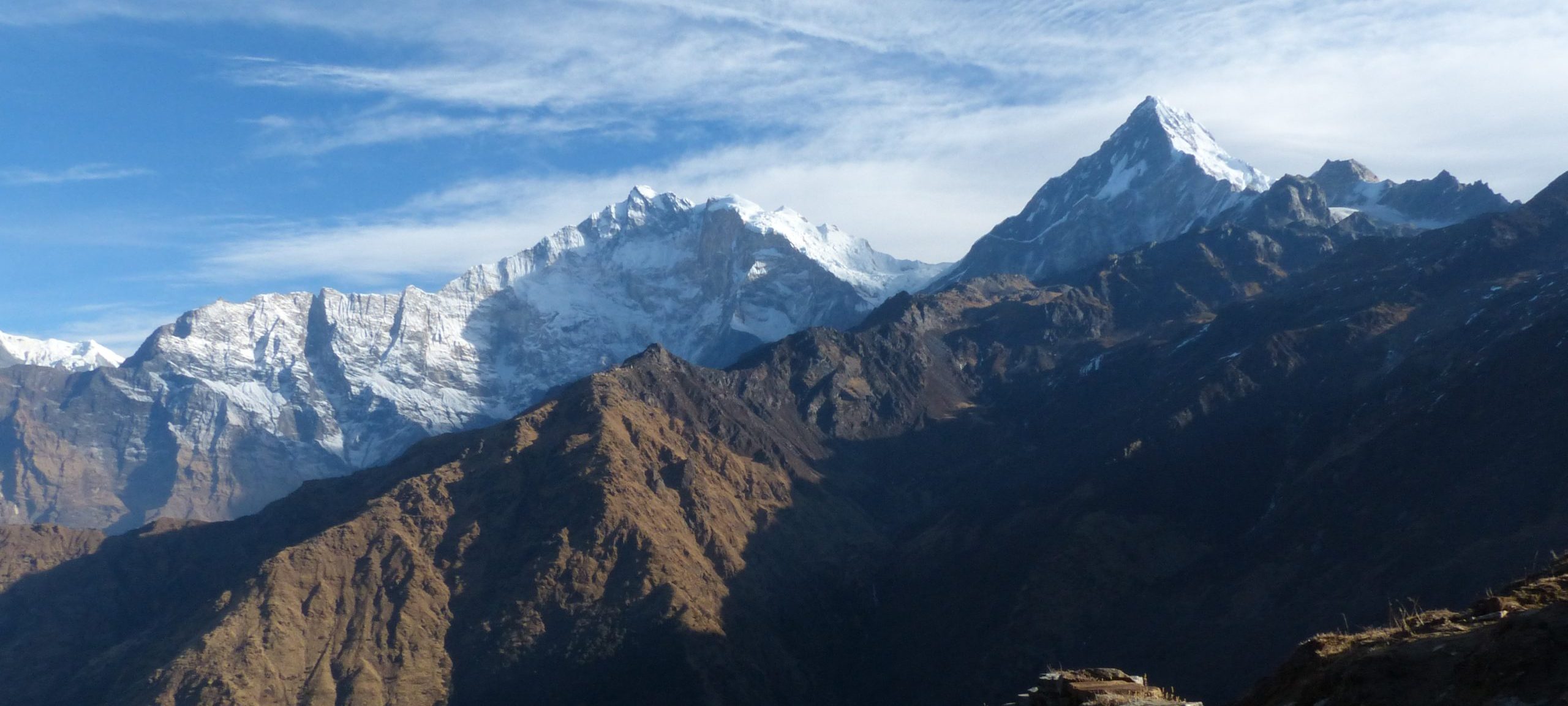
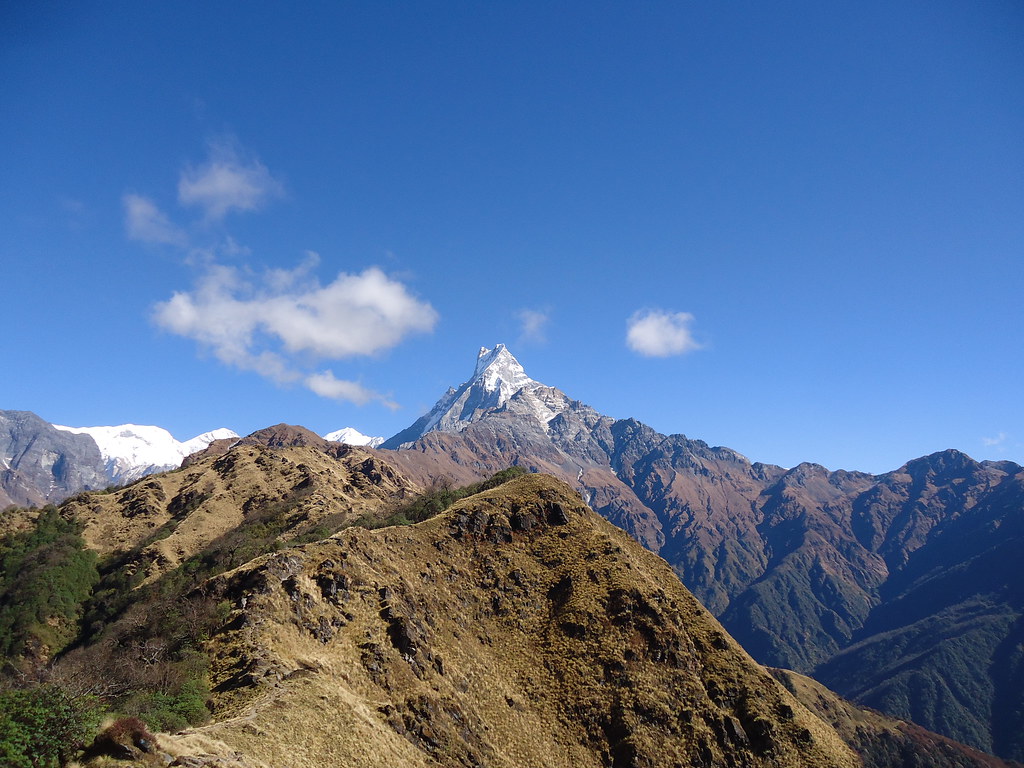
You can enjoy a sunrise hike to the Muldai Danda and savor 360-degree views of Annapurna South, Machhapuchre (or Fishtail Peak), Dhaulagiri, Hiunchuli, Gurja Himal, and Tukuche Peak.
Leaving Dobato, you head to the village of Chistibang (also called Chistibung) via Bayeli. The trail, at this point, becomes quite secluded and lonely. Not many locals or trekkers use this route. To reach Chistibang, you make a steep descent into a dense forest. After spending a night at the small hamlet of Chistibang, you continue your ascent to Khopra Ridge. It’s a short but tiring hike. The trail is steep and narrow and features a drop.
There is only one community-run lodge at Khopra Danda. The lodge is pretty basic, but the wi-fi reception here you’ll find is perfect. After a hearty breakfast, you trek down to Swanta village and later hike to Ghorepani.
Upon your return, you will enter the Magar village and then proceed along the famous Ghorepani Poon Hill route. Spend one night there and enjoy a beautiful sunrise view from the Poon Hill viewpoint. Slowly descend to Banthati via Nange Thanti (resting point) and end your trek after returning to Pokhara by vehicle. Your trip finally ends after you get back to Kathmandu.
Note: If you want a more exciting experience, you can add an additional day to this Khopra 12-day itinerary to hike up to Khayer Lake. The lake is at a height of approximately 4,600 m, which is more than the height of Annapurna Base Camp. However, keep in mind that the hike to the lake is quite challenging, as you will gain an altitude of over 800 m. With planning and preparation, everyone can do it.
The Khopra ridge Trek is rated as a moderately challenging trek in the Annapurna region, especially when compared to the more demanding Annapurna Circuit and Annapurna Base Camp (ABC) treks. However, once you hike above 2,500 meters (8,200 feet), there is a possibility of experiencing altitude-related symptoms, so acclimatization becomes very important.
While trekking in mountainous terrain, minor injuries are quite common. Trekkers may experience slips, sprains, minor cuts, as well as back and knee pain during the journey.
Some travelers may also have difficulty adjusting to local Nepali food and mountain water, which can lead to stomach issues such as diarrhea.
Other factors such as insomnia, loss of appetite, insect bites, and allergic reactions can further increase the level of discomfort. For this reason, it is strongly recommended to consume light, easily digestible foods and to avoid meat at higher elevations.
Before starting the trek, you should consult your doctor to confirm your fitness for high-altitude trekking. It is equally important to inform the Himalayan Masters team in advance about any medical conditions or allergies so that proper arrangements can be made.
With good preparation, awareness, and professional guidance, the Khopra ridge Trek can be completed safely and successfully.
During the trip, accommodation will be arranged at Yatri Suites & Spa (or a similar hotel) in Kathmandu, Mt. Kailash Resort in Pokhara, and teahouses during the trek. All accommodations are based on a twin-sharing basis. A single-room supplement is available upon request for an additional cost of USD 290.
Himalayan Glacier will arrange rooms with attached bathrooms where available. However, at some trekking locations, only shared washing and toilet facilities may be available. Please note that single rooms are easily available in Kathmandu and at lower elevations, but they may be limited or unavailable at higher altitudes.
Breakfast will be provided in Kathmandu and Pokhara, and all meals will be included during the trek. Breakfast will be served at the same lodge where we spend the night. Similar arrangements will be made for dinner each evening, while lunch will be taken en route to the next destination. In addition, welcome and farewell dinners will be hosted by Himalayan Glacier.
The Khopra Trek, also known as the Khopra Ridge Trek, is best experienced during autumn and spring. These seasons offer ideal weather, excellent visibility, and comfortable trekking conditions in the Annapurna region.
Autumn is the most popular season for the Khopra Trek. The days are sunny with moderate temperatures, and rainfall is rare. Clear skies provide stunning mountain views, while temperatures remain comfortable even in higher altitudes. This season is perfect for trekkers who want crisp weather and excellent visibility.
Spring is known as the flowering season in the Annapurna region, as rhododendron forests bloom beautifully along the trail. Warm and sunny days, low chances of rain or snow, and clear mountain vistas make this another ideal time for the trek. However, towards the end of spring, weather conditions may occasionally worsen.
The monsoon season is not recommended for trekking. Heavy rain and clouds reduce visibility, while landslides and floods can make trails dangerous. Trekking during this time offers a less enjoyable and riskier experience.
Winter brings cold temperatures and snowfall, making high-altitude trekking challenging and potentially hazardous. The high passes can be particularly risky, so trekking in winter is only recommended for experienced adventurers prepared for harsh conditions.
The Khopra Ridge Trek is a hidden gem in Nepal’s Annapurna region, ideal for trekkers seeking awe-inspiring mountain views, authentic village experiences, and untouched natural beauty. It’s perfect for those who prefer a quieter, less crowded adventure.
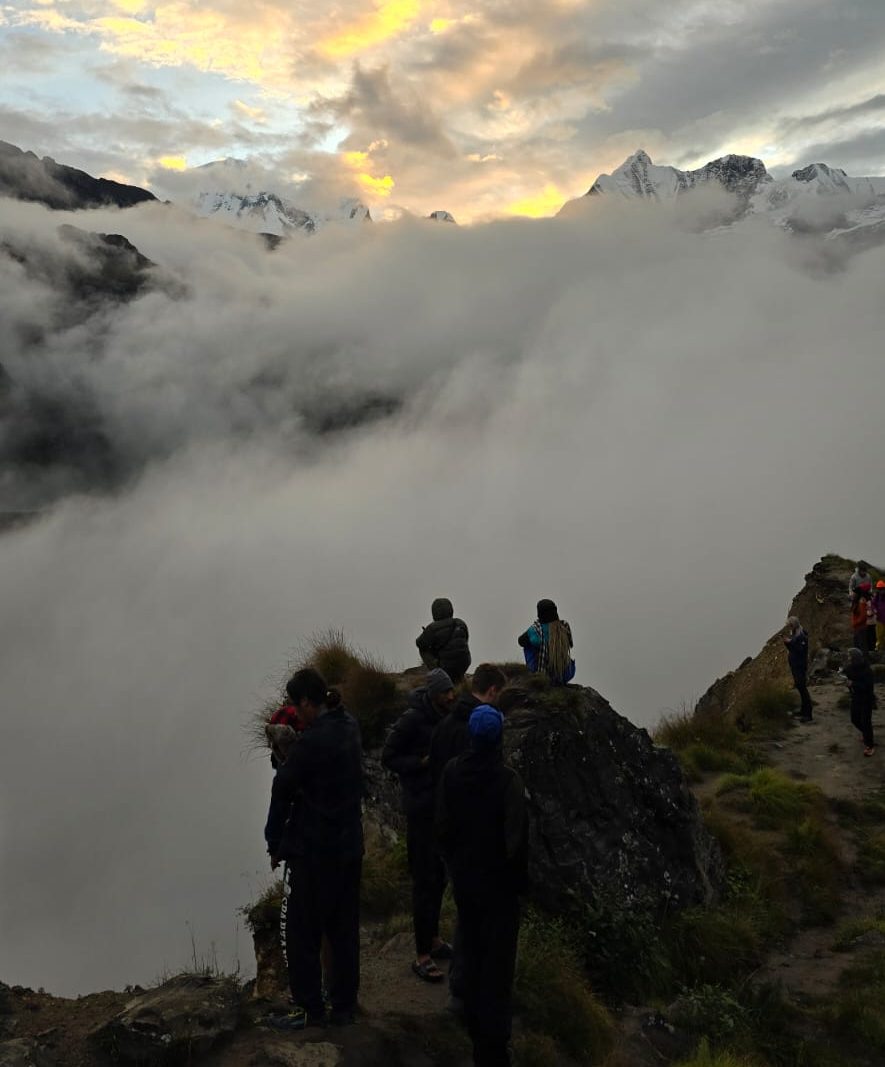
Marvel at panoramic vistas of iconic peaks including Annapurna South, Machapuchare, Dhaulagiri, and Hiunchuli. Sunrise and sunset from Khopra Ridge offer truly unforgettable moments.
Experience the warmth and hospitality of Gurung and Magar villages, where traditional lifestyles, language, and customs come alive—offering a genuine insight into Nepal’s rich heritage.
Away from the crowds of popular routes like the Annapurna Circuit or Poon Hill, the trek provides a serene environment, perfect for connecting with nature and local culture.
Set within the Annapurna Conservation Area, the trail is home to Himalayan tahr, various birds, and vibrant forests of rhododendron, oak, and pine.
The Khopra Ridge is located in the Annapurna Conservation Area in Nepal.
Trek to Khopra Danda starts after we reach Nayapaul from Kathmandu by bus. We pass through the amazing local village of Birethanti, Syauli Bazar, and Ghandruk. The trial continues to Tadapani further Dobato, and Chistibung, where the trail leads us to Khopra Danda.
The elevation of Khopra Danda Trek is 3,660 meters and the highest trekking point is Kayer Lake (4,660m/15289ft)
Yes, you will need an Annapurna Conservation Area entry permit while trekking to Mardi Himal.
The best time to trek Khopra Danda Trek is during the spring (March to May) and autumn (September to November). The rainy weather stops, and thick sun-blocking clouds also decline. The clear skies provide the most spectacular vistas with those breathtaking views during those seasons.
Yes, you will need an Annapurna Conservation Area entry permit while trekking to Mardi Himal.
Yes, it is possible to trek Khopra Danda Trek without a guide as this is not a restricted area. But you need to be a little careful while traveling solo to Nepal Himalayas as the trial is a little adventurous.
The daily gain in altitude during Khopra Danda Trek is about 400 to 450 meters above sea level.
It takes about 10 to 15 days to complete Khopra Danda Trek depending upon your itinerary.
The menu in Khopra Danda is a mixture of traditional local, and some western food but as we go up close, the menu will be limited. We extremely suggest liquids green tea, lemon tea, hot lemon, ginger tea and garlic soup(must), etc. at high altitude and also the fresh vegetable items for well-being.
Khopra Danda Trek with kids is suitable as this is an easy and short trek. A kid age above 12 years old can easily trek this destination.
It is always an excellent plan to include in physical exercises before trekking. Not that you have to be all athletic. A normal level of physical fitness will make the trip less stressful.
If you are allergic to specific medicines, it is better to consult your doctor and bring your own. The Himalayan Odyssey will facilitate you with medical kits and other safety concerns to avoid altitude sickness and other sicknesses.
To accomplish this trek, past hiking experience would be an advantage although no technical skills are necessary. Novice trekkers can do this trek but should be able to walk 5 to 6 hours a day at a fair pace with a light day pack.


