15 Days
15 - 20 KM Per Day
Hotel , Tea House, and Tented Camp
Start from Kathmandu and End to Kathmandu
Min 2 to Max 10 Pax in a group
Flight
strenuous
Highlights
- Height: 6,186 meters (20,292 feet)
- Location: Everest Region, Nepal
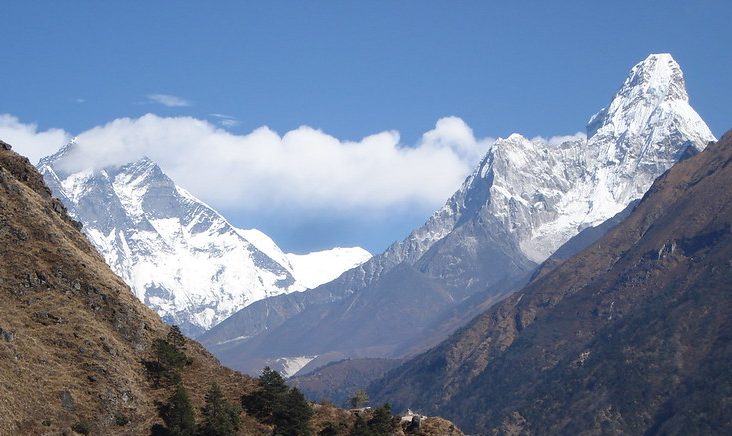
- Views: Panoramic views of Everest, Lhotse, Nuptse, Ama Dablam, and surrounding peaks
- Climbing Level: Moderate to challenging; suitable for climbers with some experience
- Experience: Less crowded peak, offering a peaceful yet thrilling Himalayan adventure
- Special Feature: Combines technical climbing with stunning natural scenery
Overview
Kyajo Ri Peak Climbing offers a unique opportunity to summit one of Nepal’s less-traveled 6000m trekking peaks. Standing at 6,186m (20,296ft) between Thame and Gokyo Valley, Kyajo Ri is a semi-technical peak that provides an authentic expedition experience with qualified guides, proper acclimatization, and a well-structured climbing schedule. Unlike neighboring peaks, it remains rarely climbed, giving adventurers a true sense of exploration and achievement.
Opened for climbing in 2002, Kyajo Ri was first ascended by a Franco-British team. The main route, known as the Commercial Kyajo Ri route, follows the southwest ridge, while the more challenging Southeast Ridge can also be accessed via the northeast face.
To maximize summit success, our itinerary includes an acclimatization trek to Everest Base Camp,Gokyo Lakes Trek, ascent of Gokyo Ri (5,357m / 17,575ft), and crossing the Renjo La Pass (5,340m / 17,520ft). From Namche, we diverge from the main trail, passing through Dole and Machhermo to reach the Gokyo Valley. After the demanding Renjo La High Pass, we continue via Thame and Mende to Kyajo Ri Base Camp.
Best Time to Go for Kyajo Ri Peak Climbing
The best seasons for Kyajo Ri Peak Climbing are spring (March to May) and autumn (October to November). These are the peak climbing periods in the Himalayas, offering stable weather, moderate temperatures, and crystal-clear mountain views.
Other seasons such as winter and the monsoon are not ideal due to harsh weather conditions, heavy snowfall or rainfall, and poor visibility, which can make climbing unsafe and difficult.
Kyajo Ri Peak Climbing Difficulty
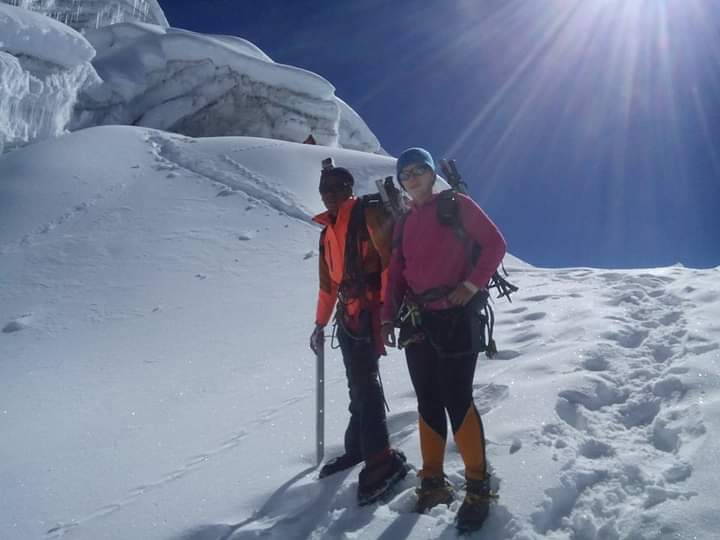
Kyajo Ri Peak Climbing is considered a challenging and technical ascent. Climbers must cross glaciers, crevasses, and steep ice walls before reaching the summit. On average, you will be walking 6 to 7 hours per day, requiring excellent physical fitness and endurance.
Previous high-altitude trekking experience is highly recommended. This climb demands strong stamina, mental determination, and solid willpower to successfully reach the summit.
Altitude
- Height: 6,186 m (20,295 ft)
- Altitude difficulty: High – risk of altitude sickness (AMS) is significant
- Acclimatization: Required; proper acclimatization days are included in most itineraries
Technical Difficulty
- Grade: Moderate to advanced
- Terrain: Mixed snow, ice, and rock
- Skills needed:
- Basic mountaineering (using crampons and ice axe)
- Walking on glaciers and snowfields
- Some exposure to steep sections
Itinerary
If you want tailor-made trip or want to personalize this itinerary, just feel free to contact us. We are always there to help you to make your holiday plan. Contact us
Day 01
Arrival in Kathmandu
Duration
30 minutes
Distance
7 KM
Altitude
1,324 Mtrs
Accommodation
Hotel
Meals
Breakfast
Arrive in Kathmandu and meet the Adventure Aspirant representative for your transfer to your hotel in Thamel. The rest of the day is free to relax.
Day 02
Fly to Lukla & Trek to Phakding
Duration
4 Hours
Distance
146 KM (138+8)
Altitude
2,610 Mtrs
Accommodation
Hotel
Meals
Breakfast/Lunch/Dinner
Take an early morning scenic flight from Kathmandu to Lukla, the gateway to the Everest region. Upon arrival at Lukla, begin your trek through beautiful Sherpa villages, lush forests, and along the Dudh Koshi River. The trail offers wonderful views of the surrounding hills and a glimpse into the traditional lifestyle of the Khumbu region. Continue walking at a comfortable pace until you reach Phakding (2,610 m), where you will spend the night at a local teahouse.
Day 03
Day 03: Trek from Phakding to Namche Bazaar (3,440 Mtrs)
Duration
6-7 Hours
Distance
11.5 KM
Altitude
3,440 Mtrs
Accommodation
Hotel
Meals
Breakfast/Lunch/Dinne
Today, begin your trek from Phakding (2,610 m) toward Namche Bazaar (3,440 m), the vibrant gateway and commercial hub of the Everest region. The trail follows the Dudh Koshi River, passing through beautiful pine and rhododendron forests and crossing several exciting suspension bridges.
After entering Sagarmatha National Park, the trail gradually becomes steeper as you ascend toward Namche Bazaar. Along the way, you may catch your first glimpse of Mount Everest, weather permitting, as well as spectacular views of Thamserku, Kongde, and other Himalayan peaks. Upon reaching Namche, check into your teahouse and enjoy the lively atmosphere of this famous Sherpa town. Overnight at Namche Bazaar.
Day 04
Acclimatization Day in Namche Bazaar
Duration
2-3 Hours
Distance
5 KM
Altitude
3,880 Mtrs
Accommodation
Hotel
Meals
Breakfast/Lunch/Dinner
Today is an important acclimatization day in Namche Bazaar to help your body adjust to the increasing altitude. Enjoy a relaxed morning and take an optional short hike to Everest View Hotel (3,880 m) for spectacular panoramic views of Mount Everest, Ama Dablam, Thamserku, Lhotse, and other Himalayan peaks.
You can also explore the charming streets and local market of Namche, visit the Sherpa Culture Museum, or take a peaceful walk around the surrounding villages and monastery. After the hike, return to Namche Bazaar for rest and an overnight stay at the Hotel.
Day 05
Trek from Namche Bazaar to Mende (3,736 m)
Duration
4-5 Hours
Distance
7 KM
Altitude
3,736 Mtrs
Accommodation
Teahouse
Meals
Breakfast/Lunch/Dinner
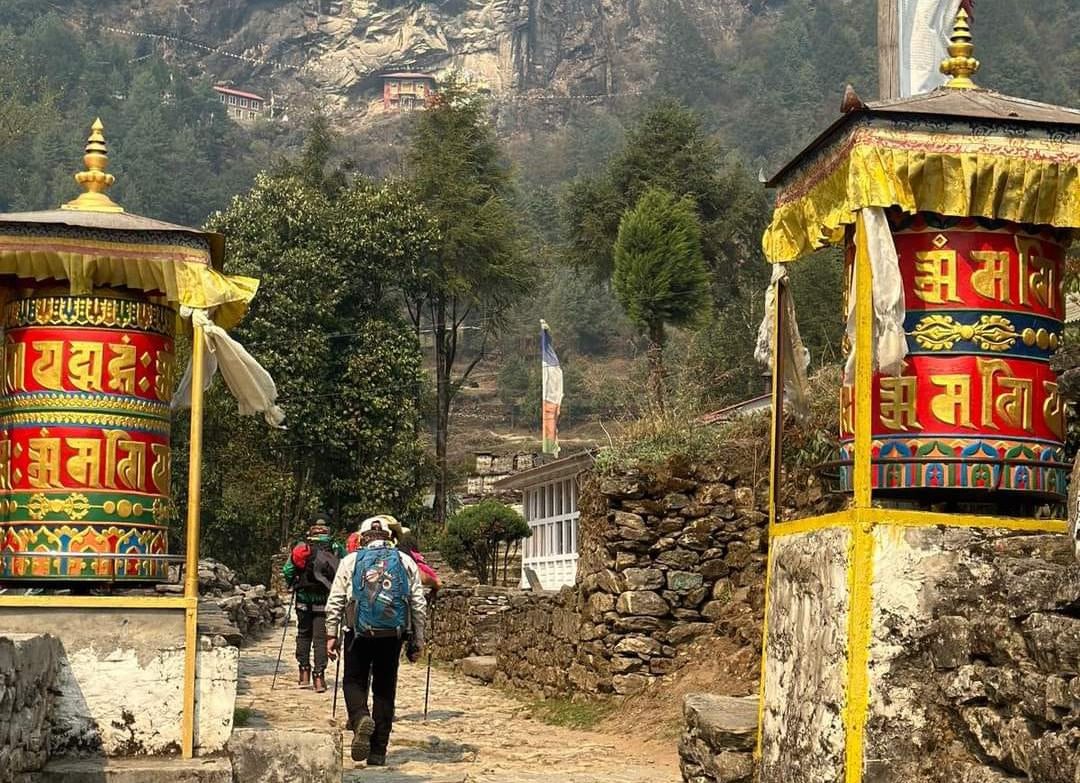
Today, leave the busy streets of Namche Bazaar (3,440 m) and follow a peaceful trail through beautiful rhododendron and pine forests toward Thamo. The trail gradually climbs through traditional Sherpa settlements, offering beautiful views of the surrounding valleys and mountains.
From Thamo, continue ascending along the hillside above the Bhote Koshi River toward Mende (3,736 m), a quiet and picturesque mountain village. The area is known for its peaceful atmosphere, traditional Sherpa culture, and spectacular Himalayan scenery. Upon arrival, check into the local teahouse and enjoy the tranquil surroundings. Overnight at Mende.
Day 06
Trek from Mende to Kyajo Ri Base Camp (4,550 Mtrs)
Duration
6-7 Hours
Distance
12 KM
Altitude
4,550 Mtrs
Accommodation
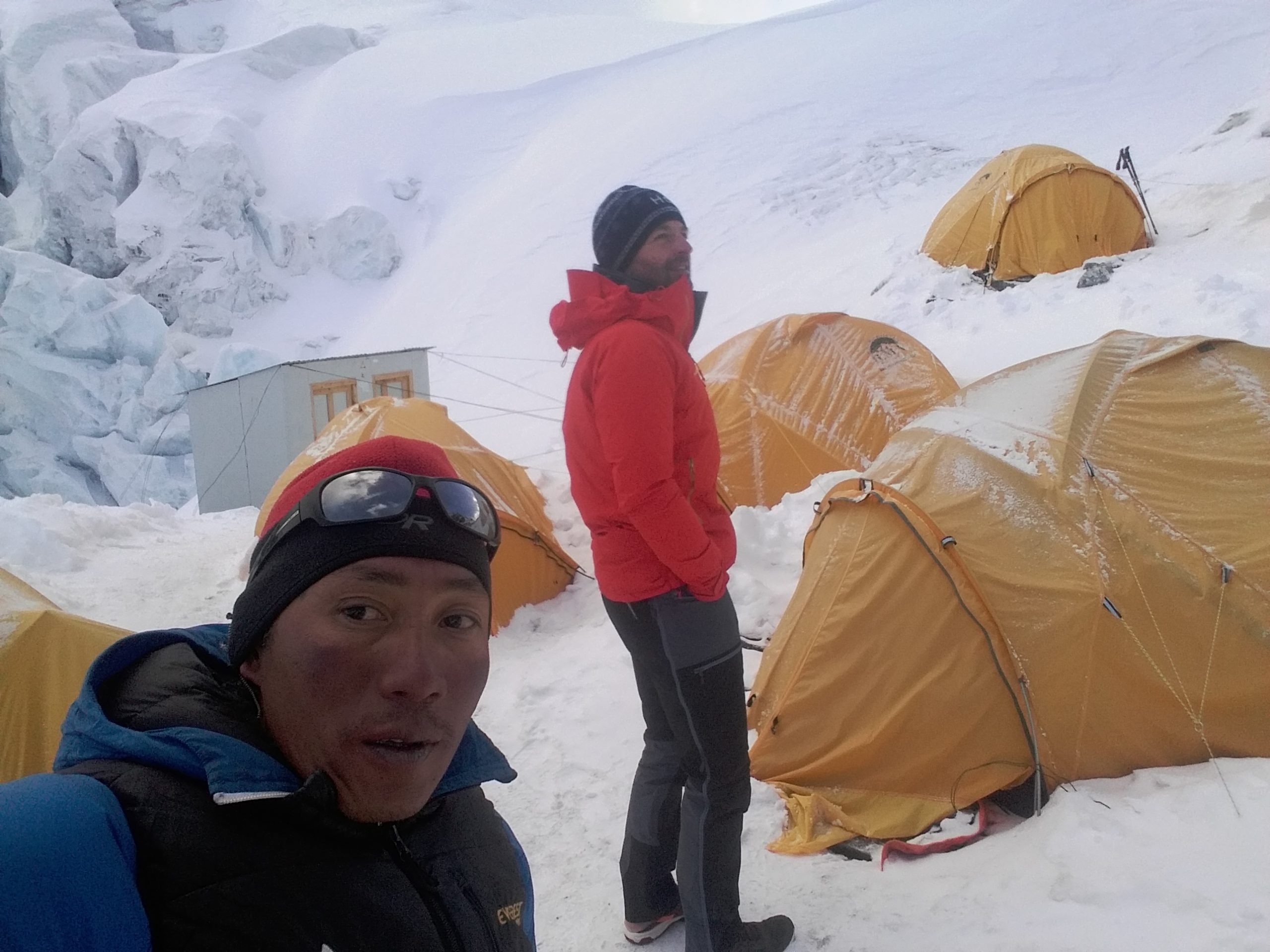
Camping
Meals
Breakfast/Lunch/Dinner
Today, leave Mende (3,736 m) and trek toward the remote and spectacular Kyajo Ri Base Camp (4,550 m). The trail gradually ascends through rugged mountain terrain, alpine meadows, and peaceful high-altitude landscapes, with fewer settlements along the way.
As you gain altitude, enjoy magnificent views of Thamserku, Kusum Kanguru, Kwangde, Parchamo, and surrounding Himalayan peaks. The trail becomes increasingly remote as you approach the base camp, creating a true wilderness experience.
Upon reaching Kyajo Ri Base Camp (4,550 m), set up camp and relax in the quiet alpine surroundings. Enjoy the breathtaking mountain scenery and prepare for the challenging days ahead. Overnight at camping.
Day 07
Acclimatization & Preparation at Kyajo Ri Base Camp
Duration
1 Hours
Distance
2 KM
Altitude
4,550 Mtrs
Accommodation
Camping
Meals
Breakfast/Lunch/Dinner
Today is a rest and acclimatization day at Kyajo Ri Base Camp (4,550 m). This extra day allows your body to adjust to the high altitude and prepares you for the upcoming climbing activities. Take time to rest and enjoy the spectacular views of Kyajo Ri and the surrounding Himalayan peaks. The climbing team will also review essential climbing techniques, rope systems, crampon and ice-axe use, and safety procedures. You will have an opportunity to check and organize your climbing equipment and become familiar with the gear you will use during the ascent.
Spend the evening relaxing at camp and preparing mentally and physically for the climb ahead. Overnight at Kyajo Ri Base Camp
Day 08
Ascent to Camp I (5,200 Mtrs)
Duration
4-5 Hours
Distance
4 KM
Altitude
5,200 Mtrs
Accommodation
Camping
Meals
Breakfast/Lunch/Dinner
Today, begin the gradual ascent from Kyajo Ri Base Camp (4,550 m) toward Camp I (5,200 m). The trail becomes more challenging as you climb through increasingly rugged and glaciated terrain, requiring careful footing and steady pacing.
As you gain altitude, enjoy spectacular views of Kyajo Ri and the surrounding Himalayan peaks, along with beautiful high-altitude glacial lakes and pristine mountain landscapes. The climb provides valuable additional acclimatization as you prepare for the higher camps and summit attempt.
Upon reaching Camp I (5,200 m), settle into camp, rest, and prepare your equipment for the next stage of the climb. Overnight at Camp I.
Day 09
Rest Day at Camp I
Duration
2-3 Hours
Distance
400 Mtrs
Altitude
5,200 Mtrs
Accommodation
Camping
Meals
Breakfast/Lunch/Dinner
Today is another important acclimatization and preparation day at Camp I (5,200 m). Take time to rest and allow your body to adjust to the high altitude while enjoying the spectacular views of the surrounding Himalayan peaks.
Under the guidance of your experienced climbing guide, review and practice essential technical climbing skills, including rope work, crampon techniques, ice-axe handling, ascending and descending fixed ropes, and basic mountain safety procedures.
This training day will help you become more confident with your equipment and better prepared for the challenging ascent toward the higher camps and summit of Kyajo Ri. Overnight at Camp I.
Day 10
Climb to Camp II (5,700 m)
Duration
4-5 Hours
Distance
500 Meters
Altitude
5,700 Mtrs
Accommodation
Camping
Meals
Breakfast/Lunch/Dinner
Today, begin the challenging ascent from Camp I (5,200) to Camp II (5,700 m). The route becomes increasingly technical, crossing steep and exposed mixed snow, ice, and rocky terrain. The climb requires a slow and steady pace, with approximately 4–5 hours of climbing depending on weather, route conditions, and the group’s pace.
As you ascend, negotiate steep alpine slopes, rocky sections, narrow ridges, and glaciated terrain. In more exposed and technical sections, your climbing guide may establish fixed ropes to provide additional safety and support.
Upon reaching Camp II (5,700 m / 18,702 ft), settle into your tents, organize your climbing equipment, and take plenty of rest. This is an important preparation point before the summit attempt. Overnight at Camp II.
Day 11
Summit Day – Kyajo Ri (6,186 m) & Return to Base Camp.
Duration
11-13 Hours
Distance
12 KM
Altitude
6,186 Mtrs
Accommodation
Camping
Meals
Breakfast/Lunch/Dinner
Today is the summit day and the most demanding day of the expedition. We will begin around 2:00 AM from Kyajo Ri Camp II (5,700 m), allowing sufficient time to reach the summit and descend safely before darkness.
The climb involves steep and technical snow, ice, and mixed rock terrain, with sections requiring crampons, ice axe, fixed ropes, and abseiling techniques. We maintain a slow, steady pace and follow the instructions of our climbing guide throughout the ascent.
After several hours of challenging climbing, we aim to reach the summit of Kyajo Ri (6,186 m / 20,295 ft). From the summit, weather permitting, enjoy breathtaking panoramic views of Everest, Lhotse, Makalu, Cho Oyu, Ama Dablam, Thamserku, Kusum Kanguru, and many other Himalayan peaks.
After spending a short time at the summit for photographs and celebration, begin the careful descent. The complete camp-to-summit-to-base-camp journey may take approximately 10–12 hours, depending on weather, route conditions, and the team’s pace. The descent can take 5–7 hours, including fixed-rope sections and abseiling.
Upon reaching Kyajo Ri Base Camp (4,550 m), rest and enjoy a well-earned evening after this demanding alpine day.
Day 12
Trek from Kyajo Ri Base Camp to Namche Bazaar (3,440 m)
Duration
6-8 Hours
Distance
13 KM
Altitude
3,440 Mtrs
Accommodation
Hotel
Meals
Breakfast/Lunch/Dinner
After the demanding summit day, today is a more relaxed descent toward Namche Bazaar (3,440 m). Leaving Kyajo Ri Base Camp (4,550 m), we follow the mountain trail through beautiful alpine landscapes, gradually descending toward the lower valleys.
The trail passes through peaceful Sherpa settlements, rhododendron and pine forests, and along sections of the Bhote Koshi River. As we lose altitude, the air becomes warmer and the vegetation becomes greener.
Continue through Thamo and onward to Namche Bazaar, the lively commercial and cultural center of the Khumbu region. Upon arrival, check into your teahouse, enjoy a warm meal, and relax after the challenging days of climbing.
Day 13
Trek from Namche Bazaar to Lukla (2,860 m)
Duration
6-7 Hours
Distance
20 KM
Altitude
2,860 Mtrs
Accommodation
Hotel
Meals
Breakfast/Lunch/Dinner
Today, begin the final day of trekking in the Khumbu region as you descend from Namche Bazaar (3,440 m) to Lukla (2,860 m). The trail follows the Dudh Koshi River, passing through beautiful pine and rhododendron forests and crossing several suspension bridges. Continue through familiar Sherpa villages, including Phakding, before following the trail gradually uphill toward Lukla. Upon arrival in Lukla, check into your lodge and enjoy a relaxing evening after completing your Kyajo Ri Peak climbing adventure.
Day 14
Fly from Lukla to Kathmandu
Duration
45 Minutes
Distance
138 km
Altitude
1,324 Mtrs
Accommodation
Hotel
Meals
Breakfast
After breakfast, transfer to Lukla Airport for your scenic flight back to Kathmandu. The short flight offers beautiful aerial views of the Himalayan foothills and surrounding mountains, weather permitting.
Upon arrival in Kathmandu, transfer to your hotel and enjoy the rest of the day at leisure. Take time to relax, explore the city, or celebrate the successful completion of your Kyajo Ri Peak Climbing adventure.
Day 15
Final Departure & Airport Drop-Off
Duration
30 Minutes
Distance
7 KM
Altitude
1,324 Mtrs
Meals
Breakfast
Final Departure & Airport Drop-Off
Today marks the end of your Kyajo Ri Peak Climbing adventure in Nepal. After breakfast, enjoy some free time at the hotel depending on your flight schedule.
At the appropriate time, our representative will transfer you to Tribhuvan International Airport for your final departure. We wish you a safe and pleasant journey home and hope to welcome you back to Nepal for another Himalayan adventure.
End of the journey.
Inclusions
What's included
- Fully guided climb with experienced climbing guides on a 1:3 ratio (Guide to client ratio)
- Meals and Accommodation at Hotel/Tea Houses/Tent during the trekking period
- Meals and High-quality mountain tents for the climbing period
- Kyajo Ri Peak permit with garbage deposit.
- National Park Fees
- KTM-LUKLA-KTM Airfare
- Double Twin sharing accommodation at Kathmandu guest house or similar category for 4 nights with breakfast
- Kathmandu airport transfers and escorts
- Comprehensive first aid kit with supplementary oxygen system
- Personal/Group climbing gear
- Porterage of equipment required during trekking and climbing
- Waterproof Duffel bag, Sleeping bag, and Down Jacket (Sleeping bag and down jacket must be returned after completion of the trek)
- Peak climbing certificate issued by the Nepal Mountaineering Association
- Staff summit bonus, insurance, and allowances
What's not included
- International airfare, visa, and travel insurance
- Personal climbing gear
- Meals in Kathmandu
- Extra accommodation in Kathmandu or on the trek due to early arrival, delays, or early return
- Personal expenses and tips
Food & Water During Kyajo Ri Peak Climbing
During the trek, you can choose your meals directly from the lodge menus. These lodges offer a wide variety of dishes, including Nepali, Indian, Tibetan, and Continental cuisine. Among all options, Dal Bhat Tarkari is the most popular choice as it is nutritious, filling, delicious, and budget-friendly, with both vegetarian and non-vegetarian options available.
You will also find other popular meals such as sandwiches, pizza, pasta, momos, vegetables, curries, chapati, porridge, pudding, bread, eggs, and more.
While staying at the climbing camps, fresh meals will be prepared by our trained crew, ensuring hygienic and healthy food throughout the expedition. Drinking water is available along the route, but we strongly recommend carrying water purification tablets for extra safety. During camping, we will provide safe and purified drinking water.
Accommodation During Kyajo Ri Peak Climbing
Teahouse lodges will be your main accommodation while staying overnight in villages. These lodges are operated by local families, helping support the local economy. The facilities are basic but comfortable, offering twin-sharing rooms with either private or shared washrooms.
The rooms are relatively small and not well insulated, so we highly recommend bringing a good-quality sleeping bag. The dining area serves as a common space where you can enjoy meals, relax, and stay warm.
During the climbing phase, you will stay overnight in high-quality tents used for sleeping, dining, and toilet purposes. Each climber will receive an individual sleeping tent. We will carry all necessary camping equipment throughout the expedition.
Kyajo Ri Peak Climbing Cost
Environmental Practices
The cost of the Kyajo Ri Peak Climbing package includes accommodation, meals, ground transportation, climbing permits, and the expenses of guides and porters. We offer one of the most comprehensive and well-organized packages with top-quality service.
Our itinerary is carefully designed to ensure maximum enjoyment and safety. If you wish to customize the itinerary, please note that the overall cost may change accordingly.
We strongly believe in responsible and sustainable tourism. During our trips, we use eco-friendly equipment wherever possible and ensure that all garbage is collected and brought back from the camps. We strictly encourage our guests not to leave any waste behind.
We also promote the use of reusable water bottles and containers to minimize plastic waste. Additionally, we work closely with local communities in every region to provide them with economic opportunities and long-term benefit.
Responsible Travel in the Kyajo Ri Peak Climbing Adventure
The Himalayan environment is highly sensitive, and it is the responsibility of all visitors to preserve the natural beauty that makes this adventure so special. By minimizing waste, respecting local customs, and being mindful of your surroundings, you can ensure a responsible and sustainable Kyajo Ri Peak climbing experience that protects the mountains for future adventurers.
Transportation Facilities in the Kyajo Ri Peak Climb
During the Kyajo Ri Peak journey, you’ll have access to several transportation options:
- Air travel: Small airplanes are commonly used to reach Lukla, the starting point of the trek.
- Helicopters: Available for luxury transfers or emergency evacuations.
- Land transport: At the beginning or end of the trek, you can choose between private vehicles or public transportation for travel to and from Kathmandu.
These options make your journey flexible, convenient, and safe, while allowing you to focus on the climbing adventure ahead.
Altitude Sickness – Symptoms & Prevention
Kyajo Ri Peak rises above 6,000 meters, making proper acclimatization essential to prevent Acute Mountain Sickness (AMS). AMS can affect anyone regardless of age or experience. To minimize the risk, our itinerary includes sufficient acclimatization and rest days to help your body gradually adjust to the altitude.
Common Symptoms of Altitude Sickness:
-
Headache
-
Nausea and vomiting
-
Dizziness
-
Fatigue and weakness
-
Loss of appetite
-
Shortness of breath
Prevention of Altitude Sickness:
-
Include enough rest and acclimatization days
-
Avoid ascending more than 300–500 meters per day
-
Drink plenty of water
-
Eat a light but high-calorie diet
-
Avoid alcohol
-
Avoid smoking
-
Inform your guide immediately if symptoms appear
-
Descend to a lower altitude and rest until symptoms fully disappear
Travel insurance
Travel insurance is highly recommended for anyone attempting Kyajo Ri Peak, given the challenges of high-altitude climbing. A comprehensive policy should cover medical emergencies, high-altitude sickness, accidents, and hospitalization, as well as emergency evacuation, including helicopter rescue if needed. It’s also wise to include trip cancellation or interruption coverage to protect your investment, along with protection for climbing gear and personal belongings. Choosing an insurer experienced with Himalayan expeditions ensures that you are well-prepared for any unexpected situation during your climb.
Frequently Asked Questions about Kyajo Ri Peak Climbing - 15 Days
01. What is the best time for Kyajo Ri Peak Climbing?
The best seasons are spring (March–May) and autumn (September–November) when the weather is stable, skies are clear, and climbing conditions are ideal.
02. Do I need to bring my own sleeping bag?
Yes, a high-quality four-season sleeping bag (-10°C to -20°C rated) is recommended, especially for high camps.
03. Are permits included in the price of the trek?
Yes, all required permits—including the Kyajo Ri climbing permit, national park fees, and local permits—are usually included in the package.
04. What date does the trek start?
Your trek starts on the scheduled departure date, which can be fixed or customized depending on your booking.
05. Where can I store my luggage during the trek?
Extra luggage can be safely stored at your hotel in Kathmandu or at the trekking company’s office.
06. What trekking gear should I bring from home?
You should bring personal items like:
- Down jacket
- Sleeping bag
- Trekking boots
- Climbing harness
- Headlamp
- Gloves and thermal layers
- Shared climbing equipment is usually provided.
07. What kind of trekking boots do I need?
You need sturdy waterproof trekking boots and mountaineering boots compatible with crampons for summit day.
08. How much should I tip the guide and porters?
Tipping is customary. On average:
- Guide: USD 10–15 per day
- Porter: USD 7–10 per day
Tipping depends on service quality and group size.
09. How difficult is Kyajo Ri Peak Climbing?
Kyajo Ri is a moderately challenging (technically demanding) peak, suitable for climbers with good fitness and basic alpine climbing experience.
10. What is “teahouse trekking”?
Teahouse trekking means staying in local mountain lodges that provide rooms and meals instead of camping.
11. How long do we trek each day?
You will trek 5–7 hours per day on average, depending on altitude and terrain.
12. Do I have to carry my own gear?
You only carry a daypack with personal essentials. Porters carry the main luggage.
13. How much can porters carry?
Each porter carries up to 20–25 kg, shared between two trekkers.
14. What is the guide and porter ratio?
Typically:
- 1 guide for 4–6 climbers
- 1 porter for every 2 trekkers
15. Who are the guides?
Guides are experienced, government-licensed, and high-altitude trained mountain professionals.
16. Do the guides speak English and have first-aid training?
Yes, all guides speak English and are trained in first aid and altitude sickness management.
17. What is the usual group size for this trek?
Group sizes usually range from 2 to 10 climbers.
18. What happens if I fall ill during the trek?
If you become ill:
- Immediate first-aid care is provided
- You may descend with a guide
- Emergency helicopter evacuation is arranged if necessary
19. When do I meet my trekking guide?
You will meet your guide during the pre-trip briefing in Kathmandu, usually one day before departure.