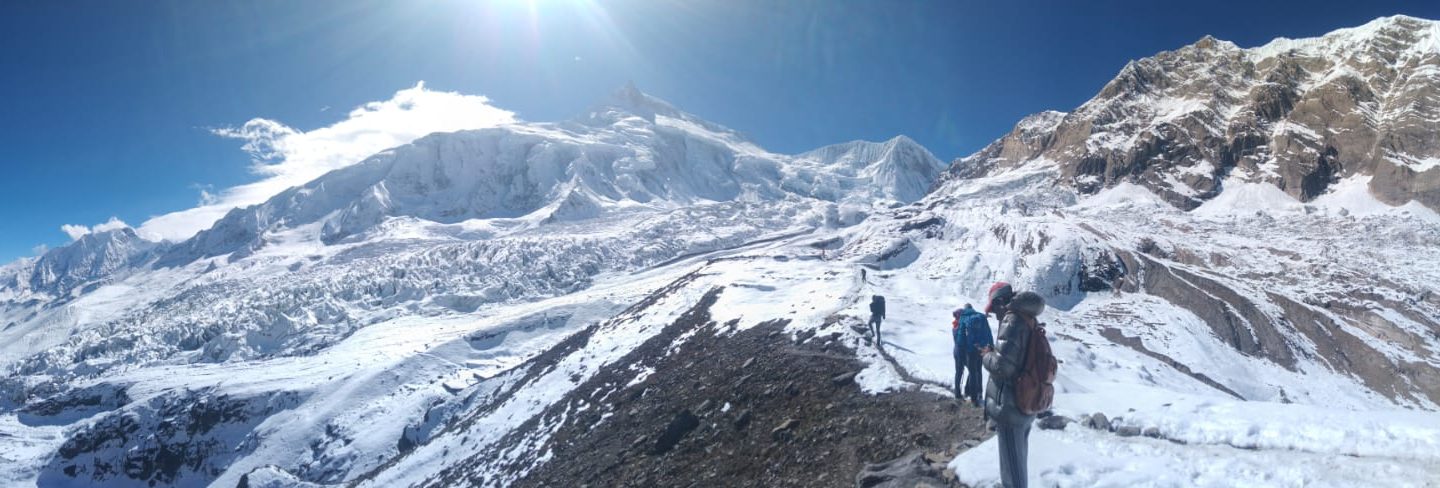
The Manaslu Tsum Valley Trek is an 19-day teahouse journey that brings adventurers close to Mount Manaslu (8,163m), the world’s eighth-highest peak, while exploring the mystical Tsum Valley. Known for […]
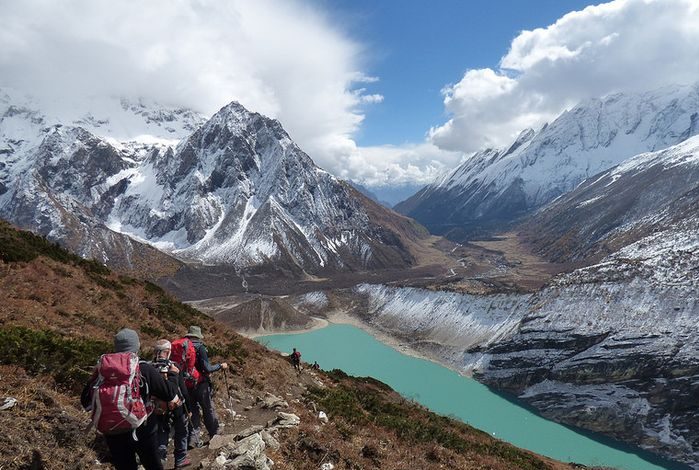
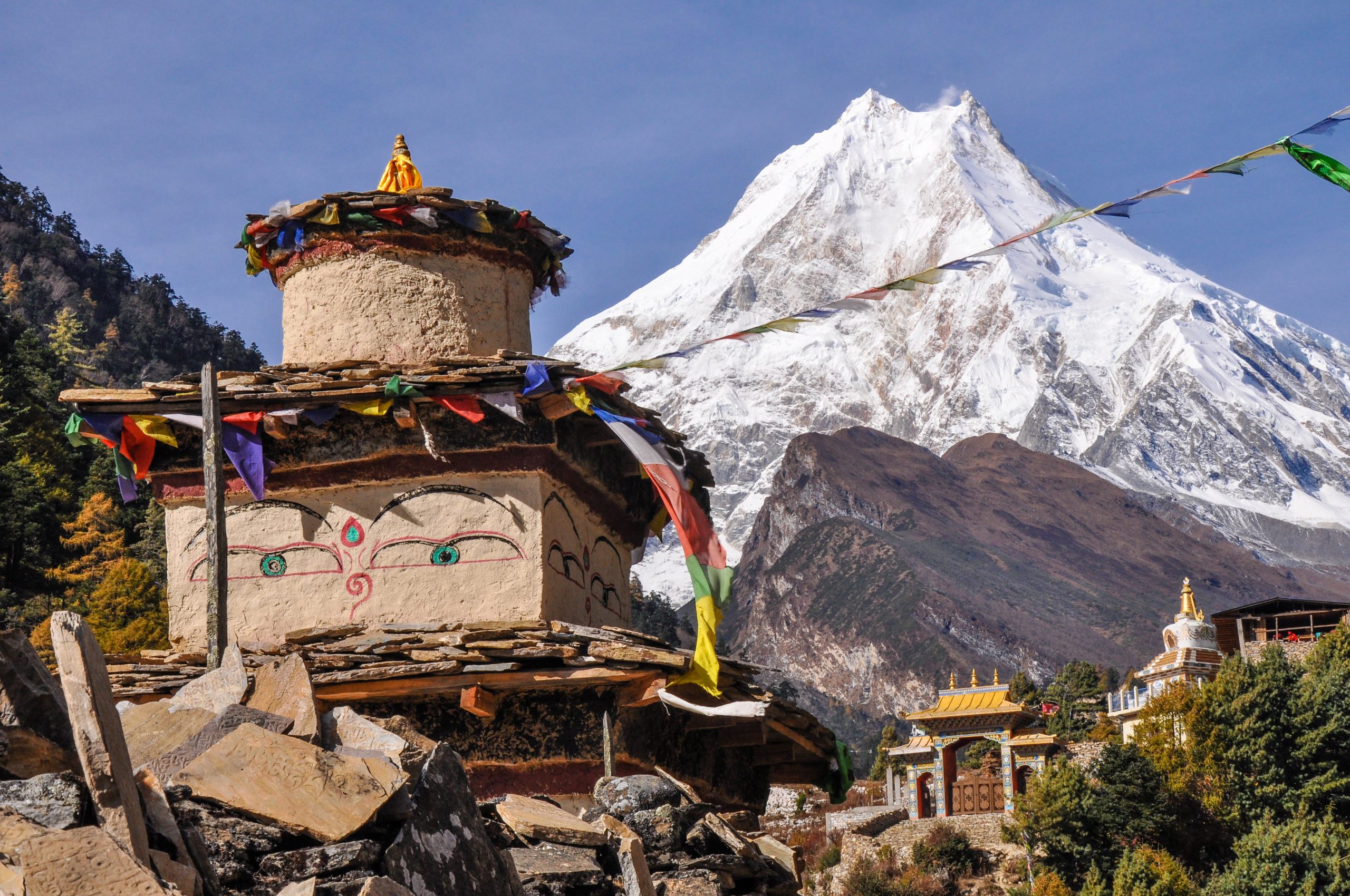
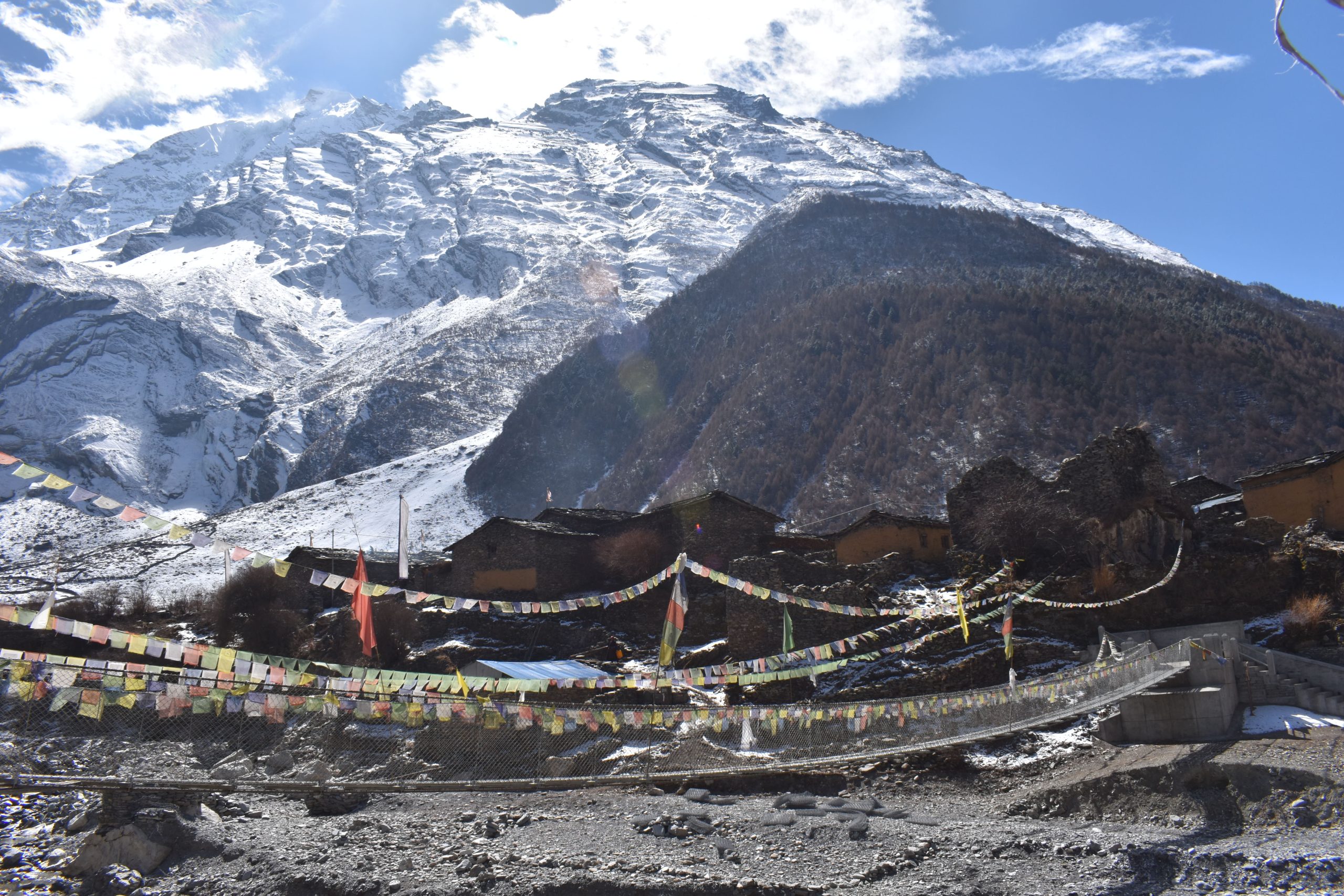
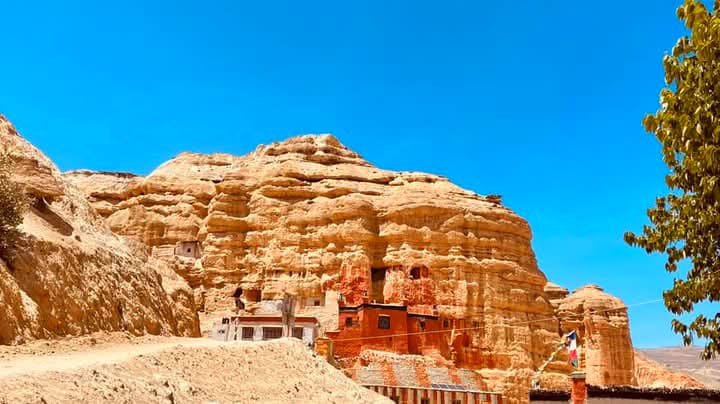
The Manaslu Tsum Valley Trek is an 19-day teahouse journey that brings adventurers close to Mount Manaslu (8,163m), the world’s eighth-highest peak, while exploring the mystical Tsum Valley. Known for its unspoiled landscapes and traditional Tibetan Buddhist culture, Tsum Valley offers a rare glimpse into a way of life largely untouched by modernity. Trekkers encounter ancient rituals, Buddhist temples and nunneries, prayer wheels, and the resonant tones of Tibetan horns, all set amidst patchwork meadows, terraced fields, and the majestic Ganesh Himal.
Starting from Kathmandu, the trek begins in Machha Khola and follows the Budhi Gandaki River through villages and terraced fields to Lapubesi. The route continues to Tatopani, where travelers can relax in natural hot springs, and onward to Philim with stunning views of Sringi Himal. Crossing Chumling and Chhokang Paro in the Upper Tsum Valley offers breathtaking panoramas of Ganesh Himal, Boudha Himal, and Himal Chuli. Highlights include Piren Phu, a sacred cave adorned with Buddhist paintings and inscriptions, and stops at Mu Gompa (3,700m) and Rachen Gompa, a nunnery.
The trek proceeds through pine and rhododendron forests to Gumba Lungdang and Ganesh Himal Base Camp. From Lokpa, trekkers pass through Gurung and Thakali villages, reaching Ghap, Lho, and Samagaon, with a full day to explore the local hamlet. The journey ascends to Samdo, Dharmasala, and Bhimtang, where the Larkya La Pass (5,160m) is crossed. The descent leads to Dharapani, followed by a public bus ride back to Kathmandu, marking the completion of the trek.
Dream himalayas offers a professionally curated 18-day Manaslu Tsum Valley Trek Itinerary, including arrival and departure services. With local expertise and a commitment to creating unforgettable experiences, we ensure every trekker enjoys a personalized adventure through Nepal’s spectacular landscapes. For details about the Manaslu Tsum Valley Trek cost and itinerary, please contact us.
March to May and September to November are the finest months for a Manaslu Tsum Valley trip
The ideal time for trekking in Manaslu and Tsum Valley is during this season, when the views of Mt. Manaslu and surrounding glaciers are truly breathtaking. From mid-March, temperatures start to rise, and the snow-capped peaks glisten under clear skies. Along the trails, rhododendrons burst into a vibrant rainbow of colors. By late March, winter snow has melted, making the Larkya La Pass accessible and ready for trekkers.
The Manaslu Tsum Valley Trek is also best experienced in the autumn. Due to the pleasant weather, this is a busy tourist season. By the end of August, the monsoon is over. The weather is consistent from mid-September onwards, and the sky is clear, allowing you to take in the breathtaking vistas of the mountains.
The Manaslu Tsum Valley Trek is demanding, with most days requiring 6–7 hours of trekking. From the halfway point, many hikers begin to descend, making the trail feel more isolated.
This trek reaches high elevations, so high-altitude sickness is common—caution is essential. Hikers have reported occasional sightings of snow leopards, but venturing out alone at night is not advised.
The trek’s remote location increases its difficulty. Trails can be rough, and accommodations and meals are basic. Crossing the Larkya La Pass is particularly challenging, and other sections of the trail are also demanding. Temperatures are cold at higher altitudes, and weather conditions can be unpredictable, so proper preparation is crucial.
If you’re looking for alternative treks that offer similar experiences to the Manaslu Tsum Valley Trek, consider these options that also immerse you in the stunning beauty and rich cultural heritage of the Himalayas:
During your trek, you will enjoy a variety of meals featuring local Nepali cuisine and international options.
Nepali Cuisine:
Staples such as rice, vegetables, lentil soup, pulses, and spinach are commonly served. Dal Bhaat, a traditional rice and lentil dish, is a local favorite.
Breakfast Options:
Oatmeal, corn flakes, French toast with jam, butter, and cheese, honey, Tibetan bread or chapati, local tsampa porridge, eggs, pancakes, muesli, fruits, vegetables, and hot drinks.
Lunch Options:
Dhal, bhat, tarkari (vegetable curry), Tibetan bread, various soups, Sherpa stew, steaks, sandwiches, momo (dumplings), macaroni dishes, Tenduk spaghetti noodles, thukpa, pasta, potatoes, vegetables, salad, pizza, snacks, and desserts.
Dinner Options:
Similar to lunch, with a mix of Dhal, bhat, tarkari, Tibetan bread, soups, Sherpa stew, steaks, sandwiches, momo, macaroni, Tenduk spaghetti, thukpa, pasta, vegetable curry, potato dishes, salad, pizza, snacks, and even Korean ramen.
As you ascend above 4000m, the variety of meals may become more limited, but teahouses continue to provide nourishing and satisfying options to keep you energized for the trek.
The Manaslu Tsum Valley Trek is classified as highly challenging, with risks such as altitude sickness, landslides, and other unforeseen hazards. All participants are required to have valid travel insurance before starting the trek. Trekkers must provide Dream himalayas with a copy of their full insurance policy, which should cover medical emergencies and high-altitude evacuation, including helicopter rescue up to 6,000 meters. While we can suggest insurance providers based on previous client experiences, we do not sell insurance ourselves. After booking, trekkers are expected to submit their complete insurance details. In case of emergencies, your policy will be used to ensure prompt rescue and coverage of medical expenses, saving time and reducing costs.
Dream himalayas Manaslu and Tsum Valley Trek itinerary includes a rest day in Samdo to ensure proper acclimatization and minimize the risk of acute mountain sickness. Your trek begins in Machha Khola, gradually ascending through low-altitude trails while exploring the remote Tsum Valley before reaching Samdo. This gradual approach allows your body ample time to adjust to the high-altitude environment, reducing the likelihood of altitude sickness.
Altitude sickness can be life-threatening if ignored. Our experienced guides are trained in first aid and have extensive Himalayan expertise. They use oximeters to monitor oxygen levels, enabling early detection of altitude sickness. Your safety and well-being are our top priorities. Trek leaders will advise on preventive measures, including hiking at a slow pace and staying well-hydrated—up to four liters of water per day. If severe symptoms occur, the safest approach is immediate descent. Please note that your trekking leader has the authority to continue or halt the trek based on the overall condition of the group.
Dream himalayas is committed to protecting the environment and minimizing the negative impact of tourism. We actively partner with the Kathmandu Environmental Education Project (KEEP) to create eco-friendly itineraries that benefit both travelers and the local communities along the trekking routes.
Your safety, security, and satisfaction are always our top priorities. We stay fully prepared with proper gear, equipment, and first-aid supplies, and all our guides are extensively trained in first aid. If any trekker shows signs of altitude sickness, your trek leader will assess the situation and decide whether to continue or descend for your well-being. In serious cases, we can arrange an emergency helicopter evacuation from high altitudes. Throughout the journey, we walk together to ensure everyone’s safety and support.
Dream himilayas is committed to protecting the environment and minimizing the negative impact of tourism. We actively partner with the Kathmandu Environmental Education Project (KEEP) to create eco-friendly itineraries that benefit both travelers and the local communities along the trekking routes.
Your safety, security, and satisfaction are always our top priorities. We stay fully prepared with proper gear, equipment, and first-aid supplies, and all our guides are extensively trained in first aid. If any trekker shows signs of altitude sickness, your trek leader will assess the situation and decide whether to continue or descend for your well-being. In serious cases, we can arrange an emergency helicopter evacuation from Green Valley Nepal Treks is a government-approved trekking and tour operator with more than ten years of experience in Nepal. We are proud members of both the Nepal Mountaineering Association (NMA) and the Trekking Agencies’ Association of Nepal (TAAN), ensuring that you can book your Manaslu Tsum Valley Trek with complete confidence.
To secure your trip, a 10% deposit of the total package cost is required. Within one week of booking, please send us copies of your essential documents, including your passport, passport-size photos, travel insurance, and your arrival and departure flight details.
Payments can be made through our website via bank transfer, Western Union, or online payment. After arriving in Nepal, you may also pay the remaining balance by cash, bank transfer, or credit card. For your convenience, we will email you all necessary payment details, including accepted methods and the total amount due.high altitudes. Throughout the journey, we walk together to ensure everyone’s safety and support.
Dream himalayas is fully prepared to handle any situation during the journey. Our team carries all essential tools, equipment, and a complete first-aid kit, and each crew member is thoroughly trained in first aid. We also use oximeters at higher elevations to monitor trekkers’ oxygen levels. If someone shows signs of altitude-related illness, the trek leader will decide whether it’s safer to continue or to descend for the well-being of the entire group. In serious emergencies, we can arrange immediate helicopter evacuation from high altitude to ensure your safety.
You will need the Manaslu and Tsum Valley Special Permit, the Manaslu Conservation Area Permit (MCAP), and the Annapurna Conservation Area Permit (ACAP) for this trek. Green Valley Nepal Treks handles all the necessary paperwork on your behalf, so you can simply relax and enjoy the journey.
Yes, Travel insurance is mandatory and must include medical and emergency repatriation coverage, as well as helicopter rescue and evacuation costs at the highest elevations.
We had an amazing trekking tour with Dream Himalayas Treks and Expedition
Naba organized everything very well and gave us very good advice and good tips.
Kumar our guide was great, he explained a lot to us, took good care of us and was very friendly. Likewise our porter Krishna, he also always kept an eye on us.
We would travel with the team again!! Thank you for the great time!
My T-SUM Valley trek was amazing. Local people, and buddhist culture are unforgetteable. Thanks God, You created us, beautiful time. We are so happy with Dream Himalayas Treks and Expedition.