Overview
The Nar and Phu Valleys are two remarkable yet closely connected trekking destinations hidden between Nepal’s famous Annapurna and Manaslu regions. Predominantly inhabited by Khampa communities of Tibetan origin, these valleys remain one of Nepal’s most untouched and culturally rich trekking areas. Although the route is more accessible than iconic treks like Everest Base Camp or Annapurna Base Camp, it remains a less-crowded Himalayan gem, offering tranquil landscapes beneath the towering presence of Mount Manaslu (8,163 m), the world’s eighth-highest peak.
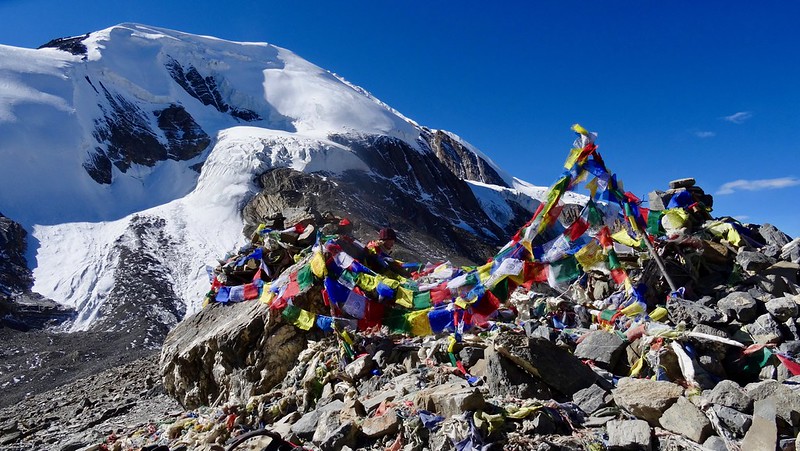
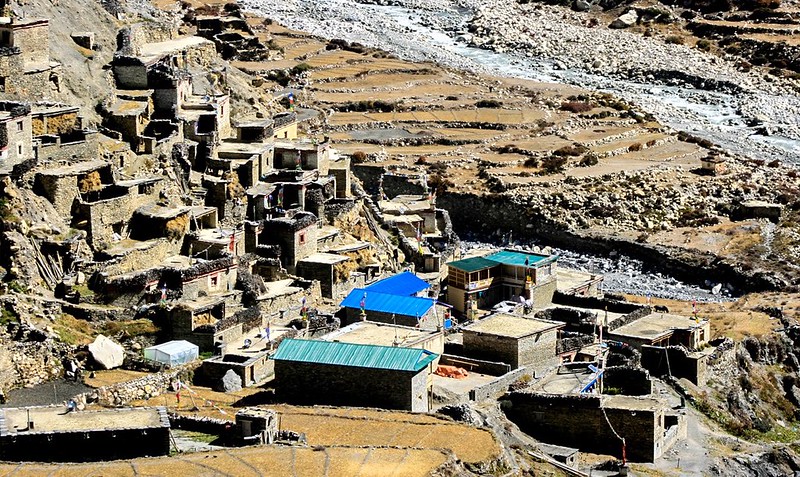
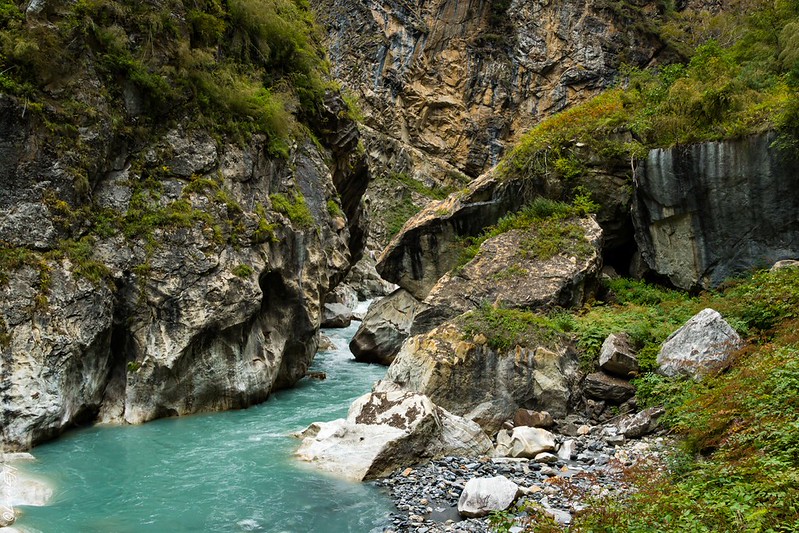
Trekking in the Nar Phu Valley takes you deep into remote Himalayan settlements where traditional Tibetan-influenced lifestyles are still preserved. Often referred to as “Little Tibet,” the region offers an extraordinary blend of rugged terrain, ancient monasteries, yak pastures, glaciers, narrow canyons, and dense alpine forests. The adventure is further enriched by crossing high mountain passes such as Kang La (5,200 m) and Thorong La (5,416 m), making it a thrilling experience for seasoned trekkers.
Set in one of Nepal’s rare wilderness regions, this trek allows you to witness the raw beauty of the Himalayas and experience a deeply spiritual atmosphere shaped by centuries-old Buddhist traditions. The serene environment of the Nar and Phu Valleys provides a perfect setting for reflection, meditation, and reconnecting with nature during this 12-day Himalayan journey.
The trek reaches a maximum altitude of 5,320 meters, rewarding you with breathtaking panoramic views of Manaslu (8,193 m), Annapurna I (8,091 m), Dhaulagiri (8,167 m), and numerous other snow-capped peaks of the Annapurna range. Along the way, trekkers pass through charming villages, open pasturelands, lush forests, dramatic cliffs, and deep gorges that define the spectacular Himalayan landscape.
The journey begins with an approximately 8-hour drive from Kathmandu to Koto, following the classic Annapurna Circuit trail up to Meta. From there, the route crosses the Marshyangdi River and branches north into the secluded Nar and Phu Valleys, far from the crowds. This off-the-beaten-path adventure offers an authentic Himalayan trekking experience, ideal for travelers seeking solitude, culture, and unspoiled mountain scenery.
With Dream Himalayas and Treks, this Nar Phu Valley Trek is thoughtfully designed to provide a hassle-free, affordable, and immersive experience for trekkers and adventure seekers who long to explore the true tranquility of the Himalayas.
Best Time to Trek
The ideal time for the Nar Phu Valley Trek and to cross Thorong La Pass is March–April and October–November. During these months, the weather is stable, temperatures are pleasant, and the trail is adorned with seasonal flowers, birds, and crystal-clear views of snow-capped mountains. Domestic flights run on time, and you’ll meet travelers from around the world.
Trek Difficulty
The Nar Phu Valley Trek is one of Nepal’s most adventurous and challenging treks. Spanning 23 days, it crosses two high passes—Kang La and Thorong La, both over 5,000 m—requiring professional guidance. Previous trekking experience is recommended.
The trail begins in subtropical forests, ascends through narrow valleys, and passes remote villages. It involves rocky climbs, steep descents, and occasional snow-covered paths. Services are limited, so preparation is essential.
Nar Pu Valley Trek Outline Itinerary
Day 01: Kathmandu → Nagdi (850 m)
Day 02: Trek to Chamje (1,450 m)
Day 03: Trek to Dharapani (1,860 m)
Day 04: Trek to Koto (2,710 m)
Day 05: Trek to Dharamshala (3,230 m)
Day 06: Trek to Kayang (3,740 m)
Day 07: Trek to Phu Village (4,050 m)
Day 08: Explore Phu Village
Day 09: Trek to Junam (4,000 m)
Day 10: Hike from Junam to Nar (4,150 m)
Day 11: Explore Nar
Day 12: Trek to Ngawal (3,650 m)
Day 13: Hike to Manang (3,351 m)
Day 14: Hike to Yak Kharka (4,350 m)
Food and Meals on the Nar Phu Valley Kang La Pass Trek
During the Nar Phu Valley trek, proper nutrition is vital to stay energized at high altitudes. While food options become more limited as you climb higher, a variety of wholesome meals are provided throughout the trek.
Breakfast may include local favorites like Tsampa porridge, pancakes, Tibetan bread or chapati, along with butter, cheese, honey, eggs, muesli, fruits, vegetables, and hot beverages.
For lunch, you can enjoy dishes such as dal, bhat, and tarkari, soups, vegetable curry, thukpa, pasta, steaks, noodles, Sherpa stew, momo (dumplings), sandwiches, pizza, salads, and desserts.
Dinner offers a similar variety, including dal, bhat, tarkari, vegetable curry, potatoes, papad, soups, Sherpa stew, Korean ramen, pasta, momo, salads, steaks, and desserts, ensuring you are well-fed and ready for the next day’s trek.
Accommodation during Nar Phu Valley Trek
During the Nar Phu Valley Trek, you will stay in quality hotels in Pokhara and Kathmandu, and in tea houses along the trail, which function as a restaurant, guesthouse, and social hub. Rooms are generally shared with trekkers of the same gender, though single rooms are available for an additional fee. Tea house rooms are simple, usually furnished with twin beds and minimal furniture, and while blankets are often provided, bringing a sleeping bag is recommended. Most lodges have squatting or sitting toilets, and hot water for showers is available in many places, usually at an extra cost. Tea houses provide a cozy place to rest and recharge after a day of trekking.
Travel Insurance for the Nar Phu Valley Trek
The Nar Phu Trek takes place at high altitudes, including passes like Thorung La (5,416 m) and Kang La (5,320 m), where risks such as altitude sickness, landslides, and other emergencies are possible. For this reason, travel insurance is mandatory for all trekkers.
Before the trek, each participant must provide Green Valley Nepal Treks with a copy of their comprehensive travel insurance certificate. The insurance should cover medical emergencies, evacuation, and helicopter rescue up to at least 6,000 meters. Once a trek is reserved, trekkers are requested to submit a detailed insurance form. In case of an emergency, the insurance details allow the team to plan a safe and timely rescue.