


Nestled beneath the towering Himalayas, Nepal is a true paradise for outdoor lovers and adventure seekers. While trekking during the monsoon season is often discouraged, this time of year reveals a completely different side of the country. Lush green valleys, thundering waterfalls, vibrant wildflowers, and meaningful interactions with local communities transform the trekking experience into something truly special.
The monsoon season in Nepal lasts from early June to mid-September. Although many trekkers avoid the trails during this period, those who venture out are rewarded with quieter paths, dramatic cloud formations, and rare wildlife that thrives in the rain-soaked environment. It is an ideal time for explorers seeking solitude, natural beauty, and a deeper connection with the landscape.
Nepal offers a wide variety of monsoon-friendly treks suitable for different fitness and experience levels. From short and gentle hikes to demanding multi-day adventures, these trails pass through dense forests, roaring rivers, and age-old villages where warm hospitality is a way of life. Along the way, trekkers can experience the rich cultural heritage of mountain communities, visit ancient monasteries, and walk beneath colorful prayer flags fluttering in the misty air. Monsoon trekking in Nepal beautifully blends adventure, wilderness, and culture.
If you are ready to embrace trekking in a magical monsoon setting, join us as we explore the Top 10 Best Monsoon Treks in Nepal. From rain-washed mountain paths to hidden gems like the Langtang Valley, these trails promise unforgettable journeys during the greenest season of the year.
Why Trek in Nepal During the Monsoon Season?
Traveling in Nepal during the rainy season may seem unconventional, but it uncovers a world often missed by most travelers. Beyond the rainfall lie untouched landscapes, fewer crowds, authentic local encounters, and immersive cultural experiences. Here are the key reasons why trekking during the monsoon season can create truly unforgettable memories.
Precautions and Considerations for Monsoon Trekking in Nepal
Not every trekking route is suitable during the monsoon, as heavy rains can make some trails prone to landslides or difficult to navigate. It’s important to select treks that are safer during this season, such as those in rain-shadow regions or lower-altitude routes with more stable terrain. Researching your options and consulting experienced guides or trekking agencies can help you choose the best monsoon-friendly trails.
Essential Equipment and Clothing for Monsoon Treks
Having the right gear is key to staying safe and comfortable on a monsoon trek. Recommended items include:
- Waterproof clothing: A high-quality rain jacket and rain pants are essential to keep you dry during heavy downpours.
- Waterproof backpack cover: Protects your belongings from getting soaked.
- Sturdy trekking shoes: Waterproof, breathable shoes with strong grip are a must for muddy, slippery trails.
- Quick-drying clothing: Lightweight, moisture-wicking clothes help you stay comfortable and dry faster.
- Trekking poles: Provide extra stability on wet and slippery terrain.
- Warm layers: Temperatures can drop in the evenings, so bring clothing you can layer.
- Insect repellent: Monsoon season can bring an increase in insects, so repellents are helpful.
Safety Measures for Monsoon Treks
Following safety guidelines can make your monsoon trek both enjoyable and secure:
- Hire a knowledgeable guide: Local guides know the trails, monitor weather conditions, and ensure your safety.
- Stay updated on weather forecasts: Check forecasts regularly and plan your trekking days accordingly.
- Avoid river crossings during heavy rain: Water levels can rise quickly, so wait until it’s safe to cross.
- Be prepared for delays: Landslides or rain can disrupt your itinerary—stay flexible.
- Start treks early in the day: Afternoon showers are common, so early starts help you avoid the heaviest rain.
- Stay hydrated and eat well: Even in cooler weather, drinking water and maintaining energy through proper nutrition is crucial.
By carefully planning, using the right gear, and following these precautions, you can enjoy a safe, memorable, and truly unique monsoon trekking experience in Nepal.
10 Best Monsoon Treks in Nepal
Nepal’s monsoon season, from June to mid-September, is often overlooked by trekkers, but it offers a unique perspective of the Himalayas. Trails become lush and green, waterfalls flow at their fullest, rivers become dramatic, and wildlife emerges from the forests. While trekking during the rainy season requires preparation and caution, it rewards adventurers with fewer crowds, serene landscapes, and an authentic cultural experience. Here are the 10 best monsoon treks in Nepal that you can explore during this season:
1. Everest Base Camp Trek
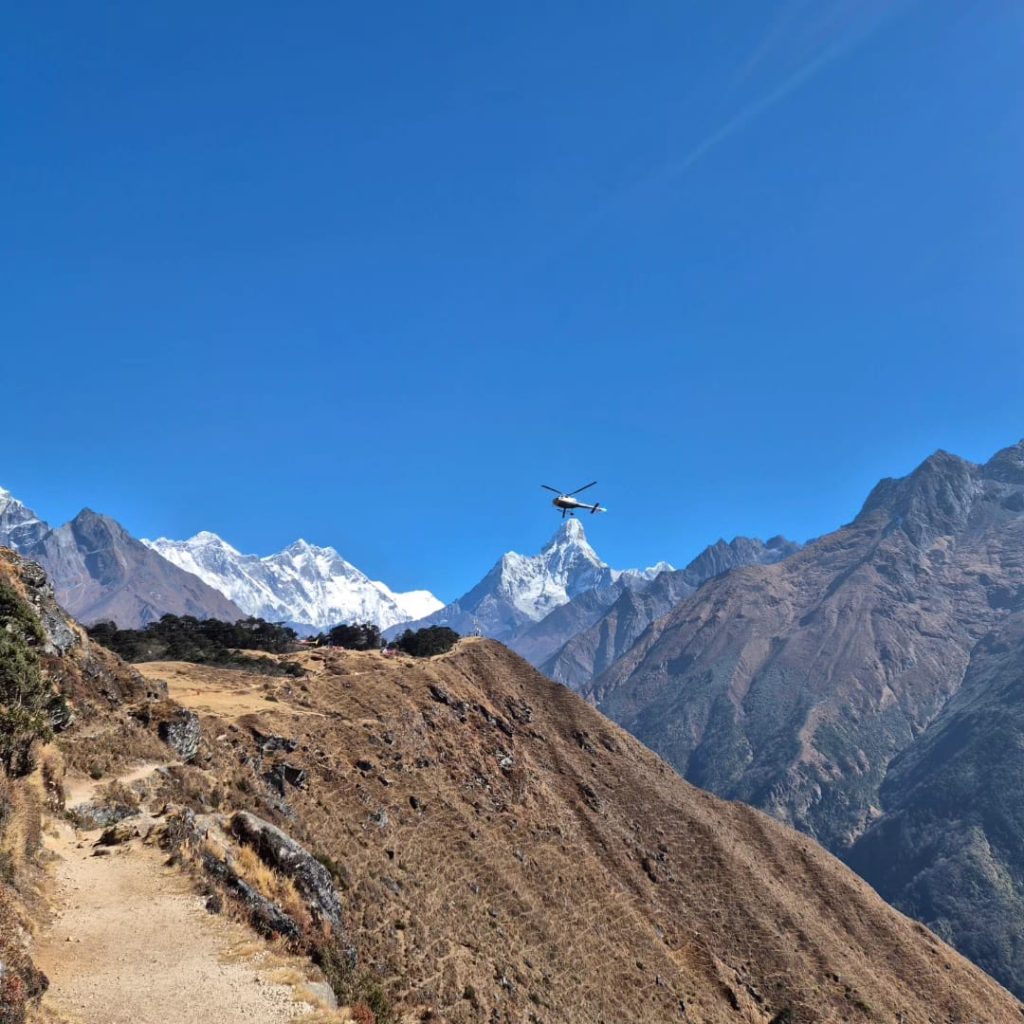
Everest Base Camp (EBC) remains the most iconic trek in Nepal, even during the monsoon. The journey begins with a scenic flight to Lukla and usually takes 10–12 days. While trails can be slippery and clouds may obscure mountain views, the mornings are often clear, providing unforgettable glimpses of Mount Everest and surrounding peaks. Along the way, trekkers pass through Sherpa villages filled with rhododendrons, junipers, and prayer flags. Waterfalls and streams enhance the route through Namche Bazaar, Tengboche, and Dingboche. At higher elevations, rain may turn to snow, adding to the magical experience. Note that flights to Lukla are sometimes delayed due to monsoon weather, so flexibility in planning is key.
2. Nyingba Heritage Homestay Trek
Located in western Nepal, the Nyingba Heritage Homestay Trek is a cultural gem during the monsoon. This trek involves a two-day travel period via Nepalgunj and allows trekkers to explore Bardia National Park, where June is excellent for spotting tigers and other wildlife. Along the trail, visitors experience local communities, their traditional lifestyles, and unique customs. Flights may be delayed, so it’s advisable to plan extra time. The combination of monsoon greenery, wildlife, and cultural immersion makes this trek a rewarding offbeat experience.
3. Ghorepani Poon Hill Trek
Ideal for beginners and short-duration trekkers, the Ghorepani Poon Hill Trek takes 4–5 days from Birethanti and climbs to 3,210 meters at Poon Hill. Monsoon mornings are usually clear, offering stunning sunrises over Annapurna and Dhaulagiri. The trail passes through forests alive with rhododendrons, wildflowers, and wildlife. Trekkers also interact with Gurung, Magar, and Thakali communities along the way. Afternoon showers can make paths slippery and leech-prone, but the views and cultural experiences make the trek highly rewarding.

4. Langtang Valley Trek
Monsoon is an excellent time to explore Langtang Valley trek , as trails are quieter and valleys transform into vivid green landscapes. While some paths may be muddy and fog may occasionally block views, the rain enhances the beauty of forests, rivers, and meadows. The trek highlights Kyanjin Gompa, an important monastery, and the Tseri Ri viewpoint, which offers spectacular panoramas of peaks, glaciers, and valleys. The combination of serene surroundings, natural beauty, and cultural encounters makes Langtang Valley a favorite for monsoon trekkers.

5. Phoksundo Lake Trek
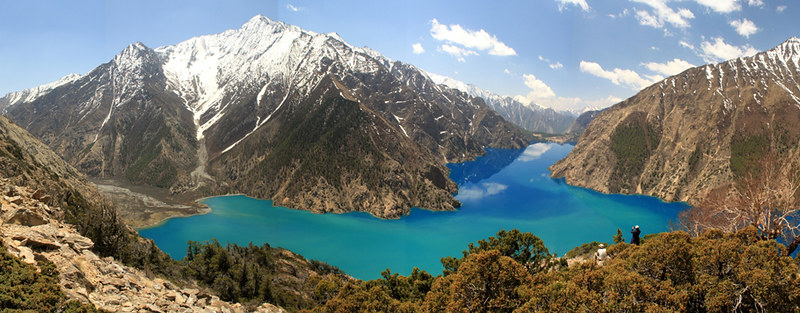
The Phoksundo Lake Trek in Dolpo is one of Nepal’s most unique trekking experiences. Shey Phoksundo Lake, located in the rain shadow of the Himalayas, lies in a landscape reminiscent of the Tibetan Plateau. The trek begins with a flight to Nepalgunj and passes through remote ethnic villages like Juphal and Dunai. Shey Phoksundo National Park is home to rare wildlife, including blue sheep and snow leopards, and the trek provides stunning views of Kanjirowa Himal. This remote trek combines pristine nature, monsoon greenery, and cultural immersion in Dolpo’s traditional villages.
6. Nar Phu Valley Trek
The Nar Phu Valley Trek is a hidden gem in the Annapurna region. Normally dry, the valleys bloom with greenery and wildflowers during the monsoon. Trekkers explore traditional villages like Nar and Phu, cross high passes such as Kang La (5,306 m) or Thorong La (5,416 m), and encounter Tibetan culture and Gurung hospitality. The remote setting, combined with monsoon landscapes, makes it a tranquil trekking experience far from the crowded trails of Annapurna.
7. Upper Mustang Trek
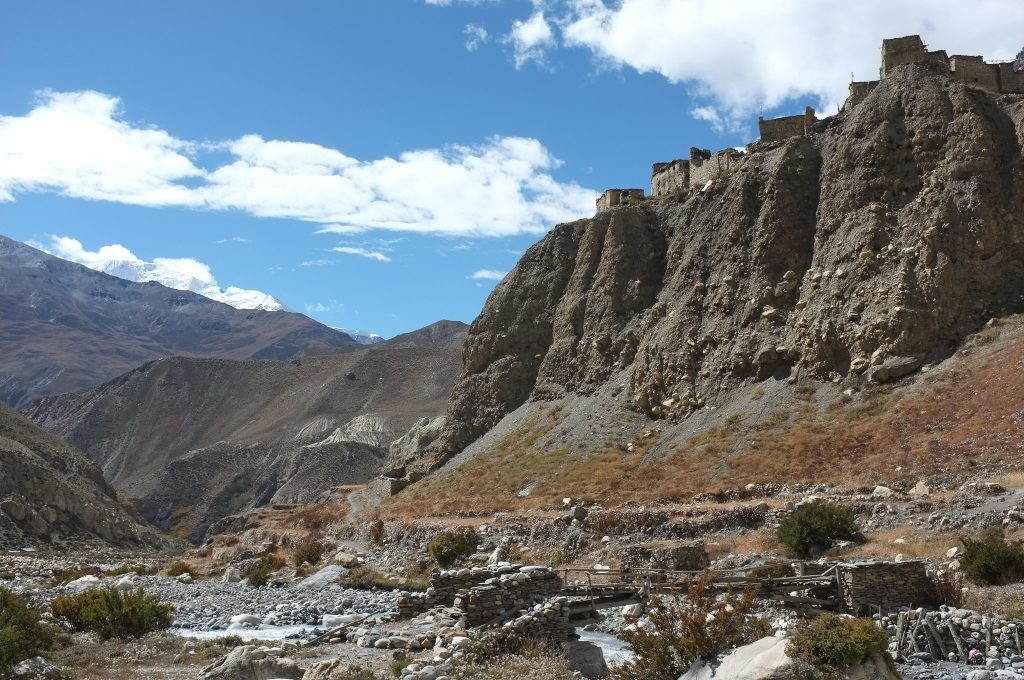
Upper Mustang is Nepal’s rain-shadow region, receiving very little rain during the monsoon, making it ideal for trekking. The trail from Kagbeni to Lo Manthang passes through ancient villages like Samar, Ghami, and Charang. Trekkers witness centuries-old Tibetan culture, including monasteries, mud houses, caves, and colorful prayer flags. Lo Manthang, the “Lost Kingdom,” is the highlight of the trek, and monsoon festivals like Tiji add cultural richness. Dramatic peaks such as Annapurna and Dhaulagiri surround the route, providing breathtaking scenery throughout.
8. Simikot-Hilsa-Limi Circuit Camping Trek
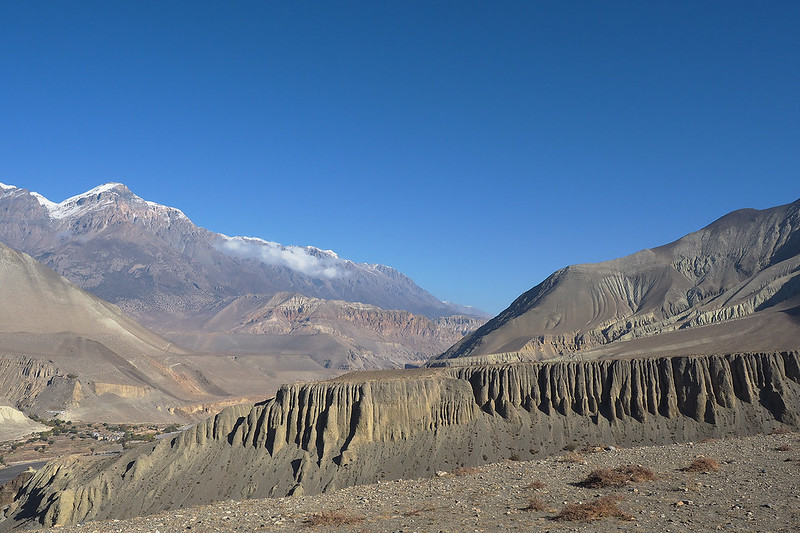
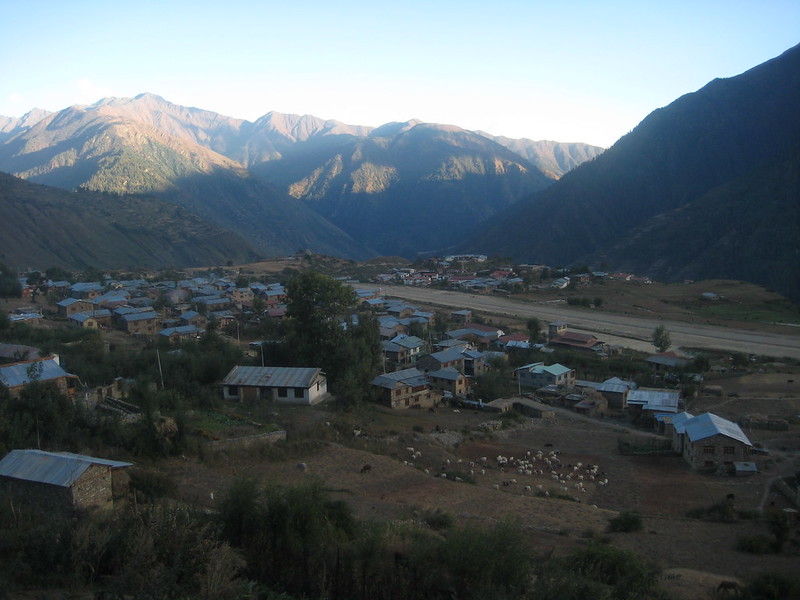
This remote trek explores the high Limi Valley in northwest Nepal, close to the Tibetan border. With low rainfall, dry terrain, and rugged landscapes, it’s a unique monsoon trekking experience. Starting with flights to Nepalgunj and Simikot, trekkers follow the Karnali River, passing remote villages and scenic mountain passes. The combination of solitude, remote high-altitude landscapes, and cultural encounters with local communities makes this trek perfect for adventurous monsoon travelers.
9. Tsum Valley and Manaslu Circuit Trek
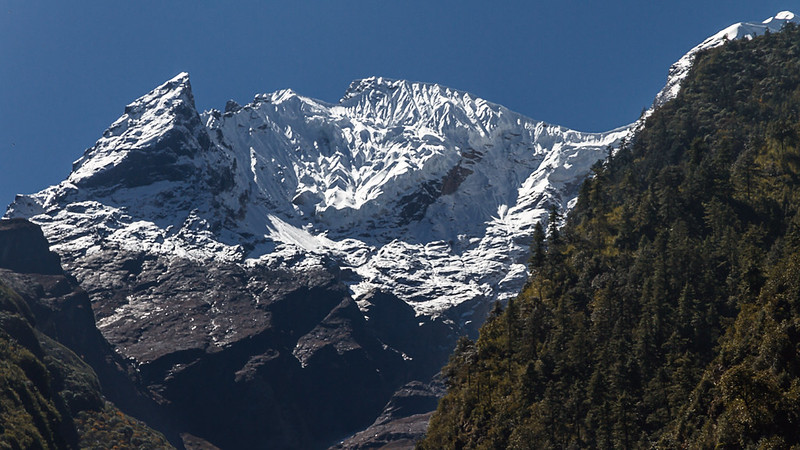
The Tsum Valley Trek is a sacred Himalayan region in northern Gorkha, filled with monasteries such as Rachen Gumba, Mu Gumba, and Gumba Lungdang. The route follows the Soti Khola and Budi Gandaki River, connecting with the Manaslu Circuit Trek. Highlights include Larkya Glacier and the Larkya La Pass (5,160 m). Monsoon trekking here combines cultural exploration in traditional villages with stunning views of high Himalayan peaks.
10. Lower Dolpo Trek
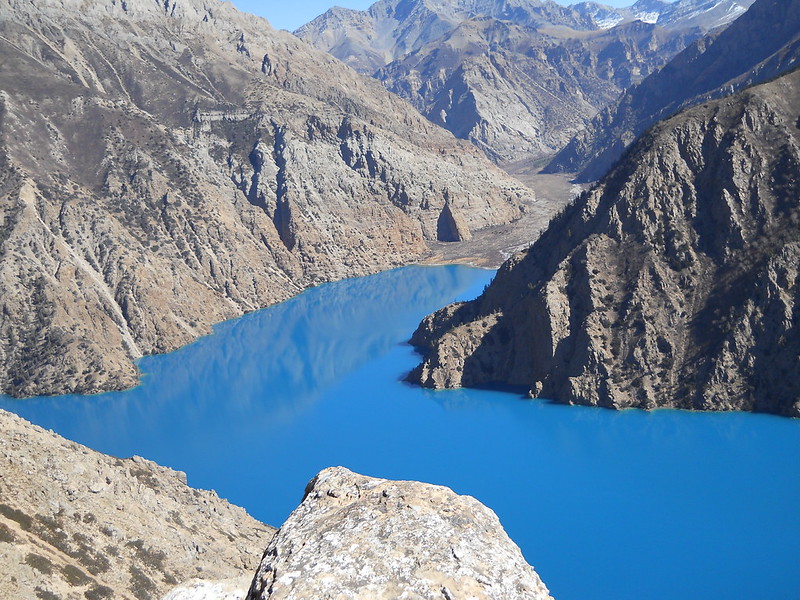
Lower Dolpo is one of Nepal’s most challenging monsoon treks. The journey begins with a flight from Kathmandu to Juphal via Nepalgunj, passing remote villages such as Laina Odar and Nawarpani. Key highlights include Shey Phoksundo Lake and exposure to the Bon Po culture. Trekkers cross two high passes—Numa La (5,360 m) and Baga La (5,070 m)—with breathtaking views of Dhaulagiri and surrounding Tibetan ranges. The trek offers rugged terrain, cultural immersion, and unforgettable monsoon landscapes.
Benefits of Monsoon Trekking in Nepal
Lush Greenery: The monsoon rains transform Nepal’s landscapes into vibrant, thriving greenery. Valleys, forests, and terraced fields come alive, offering breathtaking, rain-washed scenery.
Fewer Crowds: Unlike the busy peak trekking seasons, the trails are much quieter during the monsoon, allowing for a peaceful and serene trekking experience.
Clear Mornings: Monsoon mornings are often clear, with clouds and rain lifting by mid-morning, providing spectacular mountain views and excellent photo opportunities.
Cultural Experiences: This is an ideal time to engage with local communities and witness festivals celebrating the harvest and other monsoon traditions.
Lower Costs: Accommodation, food, and trekking permits are generally more affordable during the monsoon season due to lower tourist demand.
Waterfalls and Rivers: Waterfalls are at their fullest, and rivers flow more dramatically, adding a magical charm to the trekking routes.
Monsoon Trekking: Preparation and Packing Guide
Clothing
- Waterproof jacket and pants – essential to stay dry during heavy rain.
- Quick-dry shirts – lightweight and moisture-wicking for comfort.
- Fleece or insulated jacket – keeps you warm during chilly evenings.
- Trekking pants – durable and comfortable for wet and muddy trails.
- Hiking socks – moisture-wicking to prevent blisters.
- Hat and gloves – for sun protection or colder temperatures at higher altitudes.
Footwear
- Trekking boots – waterproof, breathable, and with strong grip for slippery trails.
- Camp shoes or sandals – comfortable footwear for lodges or tea houses.
Gear and Accessories
- Backpack with rain cover – protects your belongings from water.
- Trekking poles – provide stability on muddy or steep trails.
- Sleeping bag and pad – for warmth and comfort in lodges or tents.
- Headlamp or flashlight – with extra batteries.
- Water bottles or hydration pack – to stay hydrated during long hikes.
- Sunscreen and sunglasses – UV protection even on cloudy days.
- First aid kit – for minor injuries or emergencies.
- Navigation tools – maps, compass, or GPS device.
- Dry bags – for electronics and clothes to keep them dry.
Miscellaneous Items
- Snacks – energy bars or nuts for trekking days.
- Travel towels – lightweight and quick-drying.
- Trash bags – for keeping items dry or disposing of waste.
- Umbrella – optional for rest breaks or light rain.
Safety Tips for Monsoon Trekking
- Always stay updated on local weather forecasts.
- Follow the guidance of experienced guides or local experts regarding trail conditions.
- Drink plenty of water and maintain a balanced diet to keep your energy up.
- Wear sturdy, waterproof boots to safely navigate slippery trails.
- Keep your gear dry with a waterproof jacket, pants, and backpack cover.
- Trek with a partner or group for added safety and support.
- Be cautious near rivers and streams, especially during heavy rain or potential flash floods.
- Take precautions against leeches and other insects common in wet areas.
- Start your trekking day early to avoid afternoon downpours.
- Stay flexible with your itinerary as monsoon rains or landslides may cause delays.
FAQs
1. Is trekking in Nepal during the monsoon safe?
Yes, but choose trails carefully. Some regions, like Annapurna and Mustang, are safer than Everest or Langtang during heavy rains.
2. Which trekking regions are best in the monsoon?
Annapurna, Ghorepani Poon Hill, and Mustang regions are ideal. They get less rainfall and have well-maintained trails.
3. Can I do Everest Base Camp during the monsoon?
Technically yes, but visibility is often poor, and trails can be slippery. Annapurna region is a better option.
4. Do I need special gear for monsoon trekking?
Yes. Waterproof jackets, rain covers, trekking poles, quick-dry clothes, and sturdy waterproof shoes are essential.
5. Are monsoon treks less crowded?
Yes, it’s off-peak season. Trails are quieter, teahouses less crowded, and accommodation is often cheaper.
6. How long are typical monsoon treks?
Most monsoon-friendly treks are 5–12 days, depending on the trail. Shorter options like Ghorepani Poon Hill take 4–6 days.
7. What is the scenery like during the monsoon?
Lush green landscapes, blooming rhododendrons, flowing rivers, and misty mountains make monsoon trekking scenic and photogenic.
8. Are there landslides or floods during the monsoon?
Yes, heavy rain can trigger landslides or swollen rivers. Check local conditions and follow guide advice.
9. Can I trek solo during the monsoon?
Yes, but trekking with a guide is safer due to unpredictable weather and slippery trails.
10. How should I plan accommodation?
Book in advance in popular areas, but in remote locations, stay flexible. Some lodges may close temporarily in heavy rain.
11. What fitness level is needed?
Moderate fitness is enough for most monsoon treks. Choose shorter or lower-altitude trails if you prefer a less strenuous experience.
12. Are there health risks?
Minor risks include slips, leeches, and water-borne illnesses. Carry a first-aid kit and drink boiled or filtered water.
13. What is the best time to trek to see greenery without heavy rain?
Late May (before monsoon) or late September (post-monsoon) gives lush landscapes with minimal rainfall.
14. Are monsoon treks more adventurous?
Yes, wet trails, flowing rivers, and misty mountains make trekking exciting and serene, but preparation is key.
15. How about wildlife sightings?
Monsoon is good for spotting wildlife, including birds and sometimes animals near rivers and forests.
16. Is food and water available on trails?
Yes, teahouses provide meals, but water may need to be boiled or filtered due to heavy rains.
17. Can I combine trekking with cultural experiences?
Absolutely. Villages in Annapurna and Mustang regions offer cultural experiences, traditional food, and local hospitality.
18. Should I bring electronics?
Yes, but keep devices in waterproof bags. Cameras and phones can capture the misty, dramatic landscapes.
19. Can I do trekking packages with local agencies?
Yes, local agencies provide guided monsoon treks with accommodations, meals, and safety arrangements.
20. Are monsoon treks suitable for beginners?
Yes, if you choose shorter, easier trails like Ghorepani Poon Hill or Dhampus village trek. Heavy rainfall trails should be avoided by beginners.


