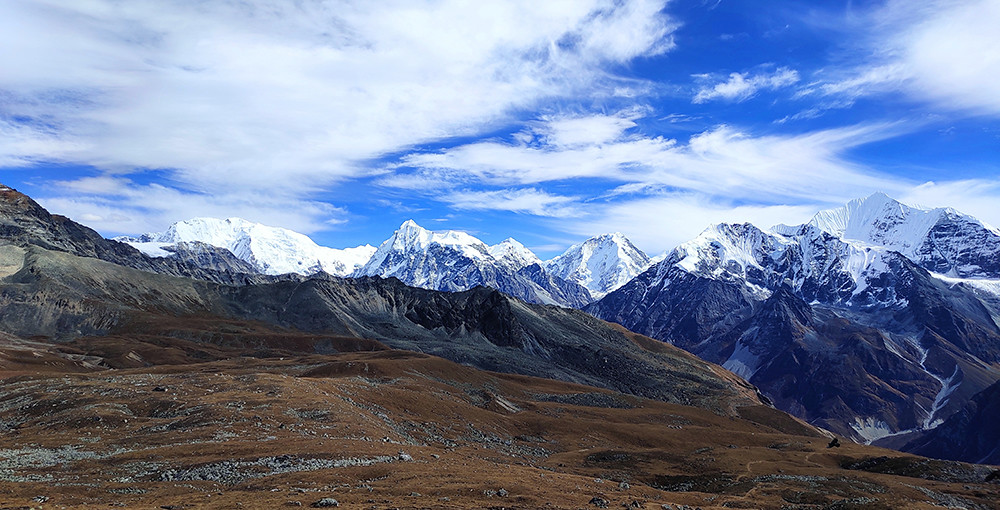
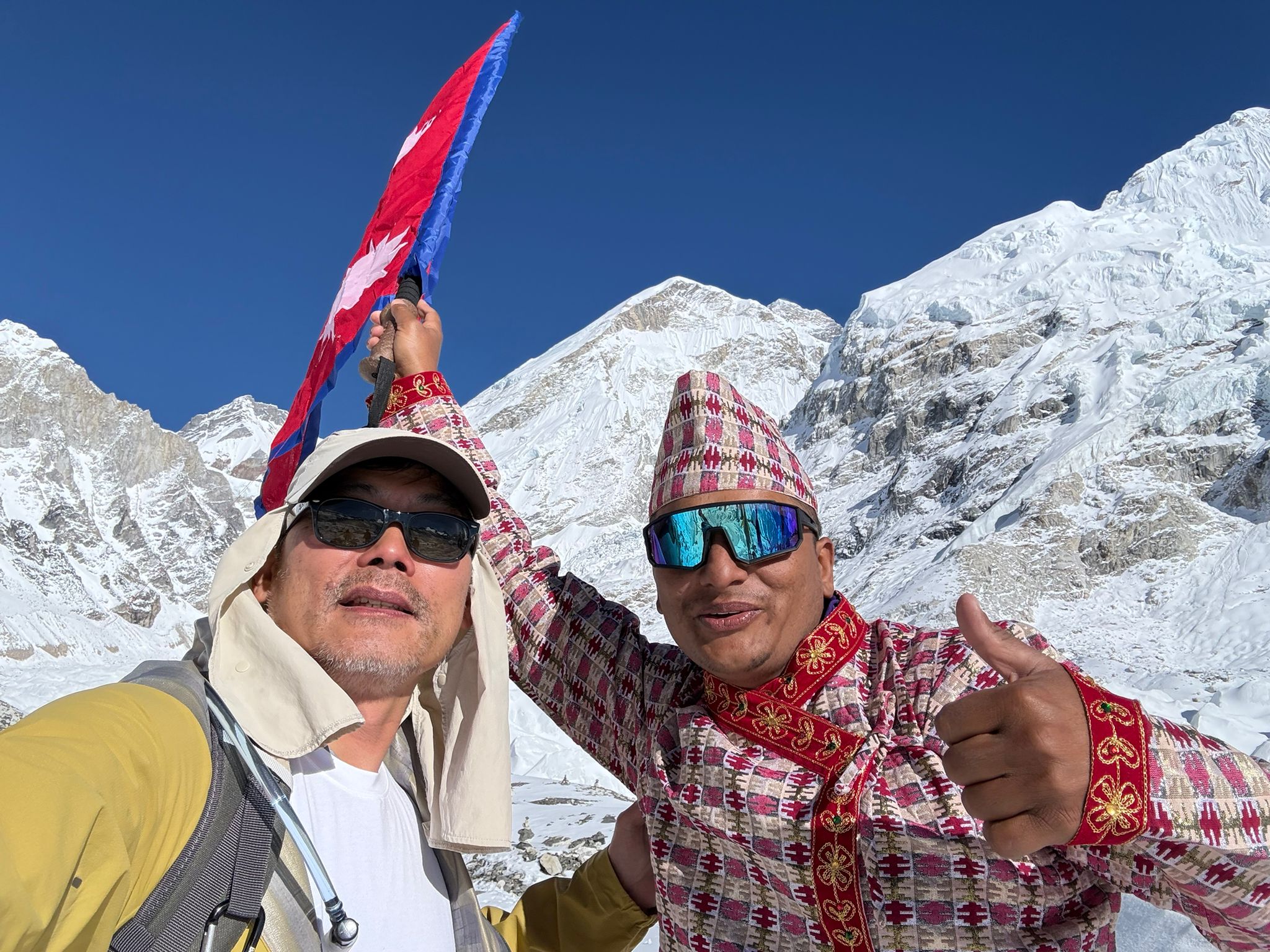
The Everest View Trek is a 7-day adventure offering stunning views of Mount Everest and surrounding peaks. The trek takes you through Sherpa villages like Namche Bazaar and Khumjung, Everest View Hotel for breathtaking panoramas.


The Everest View Trek is a perfect option for those who want to experience the grandeur of Mount Everest but have limited time. In just five days, this trek offers stunning panoramic views of Everest (8,848 meters) and other incredible Himalayan peaks. While the trek doesn’t take you to Everest Base Camp or Gokyo Valley, it still provides an unforgettable experience, especially if you’re short on time.
During the Everest View trek, you’ll hike through scenic landscapes, visit Sherpa villages like Khumjung, and Namche Bazaar, and explore the region’s unique culture. The views are breathtaking, and you can extend your adventure to Everest Base Camp or Gokyo Valley for an even more immersive experience if time allows.
Your adventure begins with a 35-minute flight from Kathmandu to Lukla, where you’ll embark on a two-day trek through the Dudh Kosi Canyon towards Namche Bazaar, often referred to as the Sherpa capital. After reaching Namche, the next day will take you on a scenic hike up to the Everest View Hotel, where you’ll witness magnificent views of Everest, Ama Dablam, and other surrounding peaks.
On the following day, you’ll explore the charming villages of Khunde and Khumjung, nestled in the mountains and home to the Sherpa people. The final leg of the trek involves a return journey to Lukla, where you’ll fly back to Kathmandu the next morning.
Namche Bazaar, the gateway to the Everest region, is a vibrant Sherpa village that serves as the administrative heart of the Khumbu region. Here, you can shop for trekking gear and explore the bustling Saturday market, where traders from Tibet and local areas gather to sell goods.
The village offers breathtaking views of Kongde Ri and other mountain peaks. If you hike up to the viewpoint above the village, you’ll get your first glimpse of Mount Everest.
The Everest View Trek – 7 Days offers a perfect blend of adventure, cultural immersion, and relaxation. Whether you’re an avid trekker looking for a shorter trek with stunning views or someone who simply wants to experience the essence of the Everest region in a shorter time, this trek is ideal for you.
The relatively short duration makes it a perfect choice for people with limited time who still want to experience the grandeur of Mount Everest without the physical demands of the longer treks like the Everest Base Camp or Gokyo Lake trek.
In conclusion, the Everest View Trek is an ideal choice for anyone seeking a shorter yet profoundly rewarding experience in the Everest region. It offers a perfect balance of adventure, cultural exploration, and breathtaking scenery, making it an excellent option for those with limited time. From the stunning panoramic views of Mount Everest and the surrounding Himalayan peaks to the rich Sherpa culture in vibrant villages like Namche Bazaar, this trek is truly unforgettable.
Whether you’re a seasoned trekker looking for a quick getaway or a beginner eager to savor the magic of the Himalayas without the rigors of a longer journey, the Everest View Trek promises an extraordinary adventure. With its manageable duration, awe-inspiring landscapes, and cultural richness, this trek encapsulates the essence of the Everest region, leaving you with memories to cherish for a lifetime.
Because the view is unforgettable—but the journey should be too.
At Dream Himalaya Adventures, we bring decades of experience, deep local knowledge, and a passion for the mountains to every trek. Our carefully crafted itinerary ensures you experience Everest’s grandeur in just 7 days—without rushing, and without missing the magic.
From expert local guides and seamless logistics to a safety-first approach and personal attention, we make your short trek rich in comfort, culture, and connection.
Whether it’s your first time in Nepal or a return to the Himalayas, trek with a team that treats every traveler like family—and every journey like the adventure of a lifetime.
The Everest View Trek is a beautiful beginning — a perfect blend of Himalayan scenery, Sherpa culture, and a taste of altitude, all in under a week. But what if you’re feeling a stronger pull toward bolder adventures?
If your heart beats for more challenge, more altitude, and unfiltered Himalayan magic, we’ve got treks that go beyond the viewpoint. Here’s how to turn your journey into something legendary:
1.Everest Base Camp Trek (12 Days)
2.Everest Three High Passes Trek (16 Days)
3.Everest Base Camp Trek with Helicopter Return (10 Days)
Not everyone has two weeks to spend trekking to Everest Base Camp, but that doesn’t mean you have to miss out on the beauty of the Everest region. The Everest View Luxury Trek is a fantastic alternative for those who want to enjoy close-up views of Everest, immerse themselves in Sherpa culture, and experience the Himalayas in comfort.
The trek is carefully designed to provide the best mountain views while keeping walking days manageable and enjoyable. With comfortable accommodations, delicious meals, and stunning landscapes throughout the journey, it offers the perfect balance between adventure and relaxation.
For travelers seeking a more exclusive experience, the itinerary can also be customized with luxury upgrades or helicopter transfers, making the journey even more memorable.

As you plan for the Everest View Trek, you may be looking for comfortable accommodation and healthy, energizing meals. During this short Himalayan journey, we ensure that trekkers receive proper food and lodging to maintain energy and fitness throughout the trek.
All meals provided during the trek are designed to be nutritious, hygienic, and energy-rich to support trekking in the mountains.
Breakfast – Breakfast is the first and most important meal of the day during trekking. It provides energy and helps you stay active throughout the morning. Options often include tea (milk tea, lemon tea, herbal tea), boiled eggs, toast, bread, pancakes, porridge, pastries, and local items like sel roti, chatamari, and thukpa. These meals are light yet energizing.
Lunch – Lunch is considered the main meal of the day in Nepal. The most common and highly recommended dish is “Dal Bhat Tarkari” (rice, lentils, and vegetables), which provides a balanced mix of carbohydrates, protein, vitamins, and minerals. Other options may include noodles, momo (dumplings), pasta, fried rice, chapati, vegetables, and light meat dishes depending on availability.
Dinner – Dinner is served after a long trekking day and helps restore energy for the next day’s hike. Like lunch, Dal Bhat is commonly served, along with soups, thukpa, chapati, vegetables, noodles, and sometimes chicken or mutton dishes. It is a warm and fulfilling meal that supports recovery after trekking.
Yes, this trek is suitable for beginners with basic fitness. It is shorter and less demanding compared to longer treks like the Annapurna Circuit or Everest Base Camp trek.
With proper preparation and a positive mindset, even first-time trekkers can successfully complete this journey. Regular walking, light exercise, and mental readiness before the trek are helpful.
The Everest View Trek reaches elevations above 3,000 meters, where weather conditions and terrain can change quickly. Because the trek takes place in remote mountain areas with limited access to medical facilities, travel insurance is strongly recommended for all trekkers.
A reliable insurance policy should include coverage for trip delays, cancellations, and medical emergencies, including minor injuries as well as serious altitude-related conditions. Most importantly, it should also cover helicopter evacuation, which is often the only safe and fastest way to reach Kathmandu in case of an emergency in the Himalayas.
Having comprehensive travel insurance not only protects you from unexpected financial risks but also allows you to enjoy the trek with confidence and peace of mind. With proper coverage in place, you can focus fully on the adventure, scenery, and experience without worrying about unforeseen situations.
The Everest View Trek is a beautiful route in the Everest region of Nepal, offering incredible views of Mount Everest and nearby peaks like Lhotse, Ama Dablam, and Nuptse. It’s a great way to experience the Himalayas without going all the way to Everest Base Camp.
The trek begins and ends in Lukla, a small town in the Everest region that is accessible by flight from Kathmandu.
Tengboche Monastery is situated at an altitude of 3,867 meters (12,687 feet).
The best months are during the pre-monsoon season (March to May) and post-monsoon season (September to November), when the weather is clear and the views are at their best.
Yes, you'll need a Sagarmatha National Park Permit and a TIMS (Trekkers' Information Management System) card to trek in the region.
The trek typically lasts between 7 to 10 days, depending on your pace and itinerary.
The trek is considered moderate in difficulty, so it’s suitable for trekkers with a reasonable level of fitness. You’ll face some uphill climbs, but it’s manageable for most.
Yes, this trek is beginner-friendly with proper preparation, acclimatization, and a positive attitude!
You’ll be treated to breathtaking views of Mount Everest, Lhotse, Ama Dablam, and other stunning peaks.
Tengboche Monastery is the largest gompa (Buddhist monastery) in the Khumbu region and holds deep spiritual significance for the Sherpa people.
Most trekkers fly from Kathmandu to Lukla, which is the main gateway to the Everest region.
Essential items include trekking boots, warm clothing, a sleeping bag, a first aid kit, water purification tablets, and snacks.
While not mandatory, hiring a guide or porter can make the trek more enjoyable and provide valuable local knowledge and support.
Yes, you’ll find teahouses and lodges along the trail that offer basic accommodations and hearty meals.
Costs typically range from $700 to $1,500 per person, depending on the itinerary and services. Some companies, like Magical Nepal, offer the trek for around $915.
Teahouses serve a variety of local Nepali dishes (like dal bhat) and international options, making sure you’ll have plenty of energy for the trek.
ATMs are rare along the route, so it's a good idea to bring enough cash from Kathmandu or Lukla.
Yes, it’s possible to trek independently, but many prefer to join a group or take a guide for convenience and added safety.
Acclimatization is key. Drink plenty of water, take it slow, and if symptoms of altitude sickness appear, descend immediately.
Yes, travel insurance that covers high-altitude trekking and emergency evacuation is strongly recommended.
You’ll have the opportunity to experience Sherpa culture, visit ancient monasteries, and interact with local communities along the way.
Follow Leave No Trace principles, respect local customs, and minimize your environmental impact.
Yes, the Mani Rimdu Festival at Tengboche Monastery is a major event, usually held in October or November.
You might spot Himalayan tahr, musk deer, snow leopards, and various bird species.
Challenges include waste management, deforestation, and the impact of climate change on glaciers.
You can support the local economy by staying in teahouses, hiring local guides and porters, and purchasing local crafts and goods.
The Sherpa community is involved in mountaineering, agriculture, and tourism, providing vital services to trekkers.
Prayer flags and mani stones are symbols of Tibetan Buddhism and represent prayers for peace, compassion, and well-being.
Built in 1916, Tengboche Monastery has been rebuilt several times after being damaged by earthquakes and fires.
Yes, besides Tengboche, you can visit Pangboche Monastery and Thame Monastery, which are also rich in cultural and spiritual history.
Altitude sickness, dehydration, sunburn, and gastrointestinal issues are the most common health risks.
Take your time to ascend slowly, stay hydrated, and follow your guide’s advice on acclimatization.
Let your guide know right away, rest, drink fluids, and if necessary, descend to a lower altitude.
Include items like bandages, antiseptic wipes, painkillers, altitude sickness medication, and blister treatment.
Basic medical facilities are available in Namche Bazaar and other larger villages. For more serious conditions, evacuation to Kathmandu may be necessary.
It's important to purify water from streams and taps using tablets or filters before drinking.
Stick to marked trails, follow your guide’s advice, and be prepared for changing weather conditio
Make sure you have the right gear, stay updated on weather conditions, and adjust your plans if necessary.
Encounters with dangerous animals are rare, but be cautious around yaks and take precautions against insect bites.
Contact your guide or trekking company to arrange for emergency evacuation if needed.
Focus on cardiovascular exercises, strength training, and hiking with a loaded backpack to build endurance.
Gradually expose yourself to higher altitudes and practice deep breathing to prepare your body for the reduced oxygen levels.
No technical climbing skills are required; this is a trekking route, not a climbing one.
Common vaccinations include hepatitis A and B, typhoid, and tetanus. It’s best to consult a travel doctor for personalized advice.
Essential gear includes sturdy trekking boots, warm clothing, a waterproof jacket, trekking poles, and a backpack.
Research the trek, set realistic expectations, and practice mindfulness to reduce stress and stay focused.
Increase your hiking endurance by gradually adding weight to your pack and hiking longer distances with elevation gain.
Adjust your sleep schedule before traveling, stay hydrated, and avoid alcohol to help reduce jet lag effects
For a longer adventure, consider combining it with the Everest Base Camp Trek or the Gokyo Lakes Trek.
While it’s possible to trek alone, it’s safer and more insightful to join a guided trek.
Very helpful!, especially my Island peak guide, kaji ! He is so professional and patient, without him I won’t make it to the summit!we become very friends. And Dream Himalayas also good company, reasonable price, careful service along the way, always asking where I am everyday sending me messages. Very thoughtful!
I booked two tours here.
1. Short Everest View Trek from Lukla to the Everest View Hotel. I had my own – very reliable – guide and stayed in hotels. Not in cheap tea houses. Everything worked like clockwork. From the pickup at the hotel, to the flight to Lukla, to the return trip to Kathmandu.
2. Visit to Chitwan National Park. Here too, the agency’s organization proved to be excellent. I only made one personal mistake and took the bus. 170 km is not the same as 170 km in Europe. The adventurous journey lasted about 7 hours. Everything was perfectly organized in Chitwan again: safaris, boat rides, and as a highlight, an overnight stay in the tower. In the middle of the park. I saw rhinos, wild elephants, and even a tiger. Perfect!
Frank Herr
Full support provided from our Head, Guide Mr NK and all his strong porters makes my trekking trip was very interesting and memories. Even there were some obstacles during the trip but the team were very helpful, they able to solve any problems or issues to ensure our safety and satisfaction.
Thanks to Mr NK, Eko, Baktar, Prakash, Giva, Prasad, Soruj, Ram and our cameraman, Sidad and Bishes for the full support to us Hikerz Kental. Loves you all👍🫰