Luxury The Everest Base Camp Trek with Helicopter Return to Kathmandu is one of the finest ways to experience the majestic Everest region. This package is ideal for travelers who […]
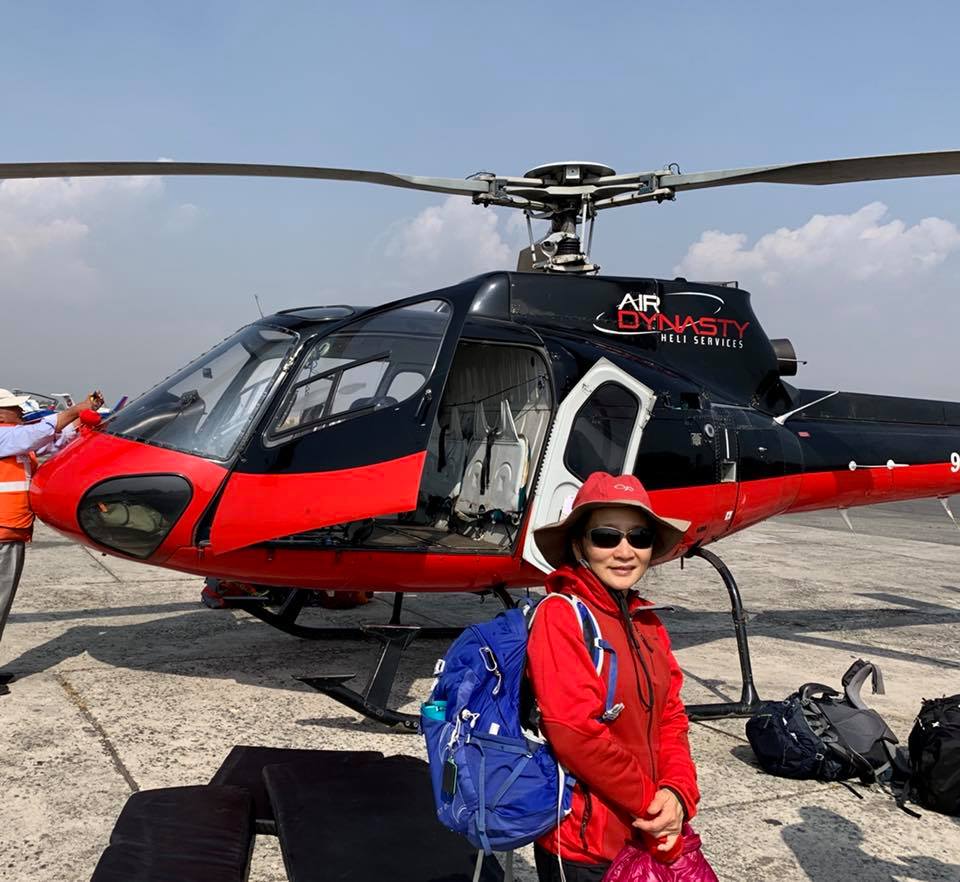
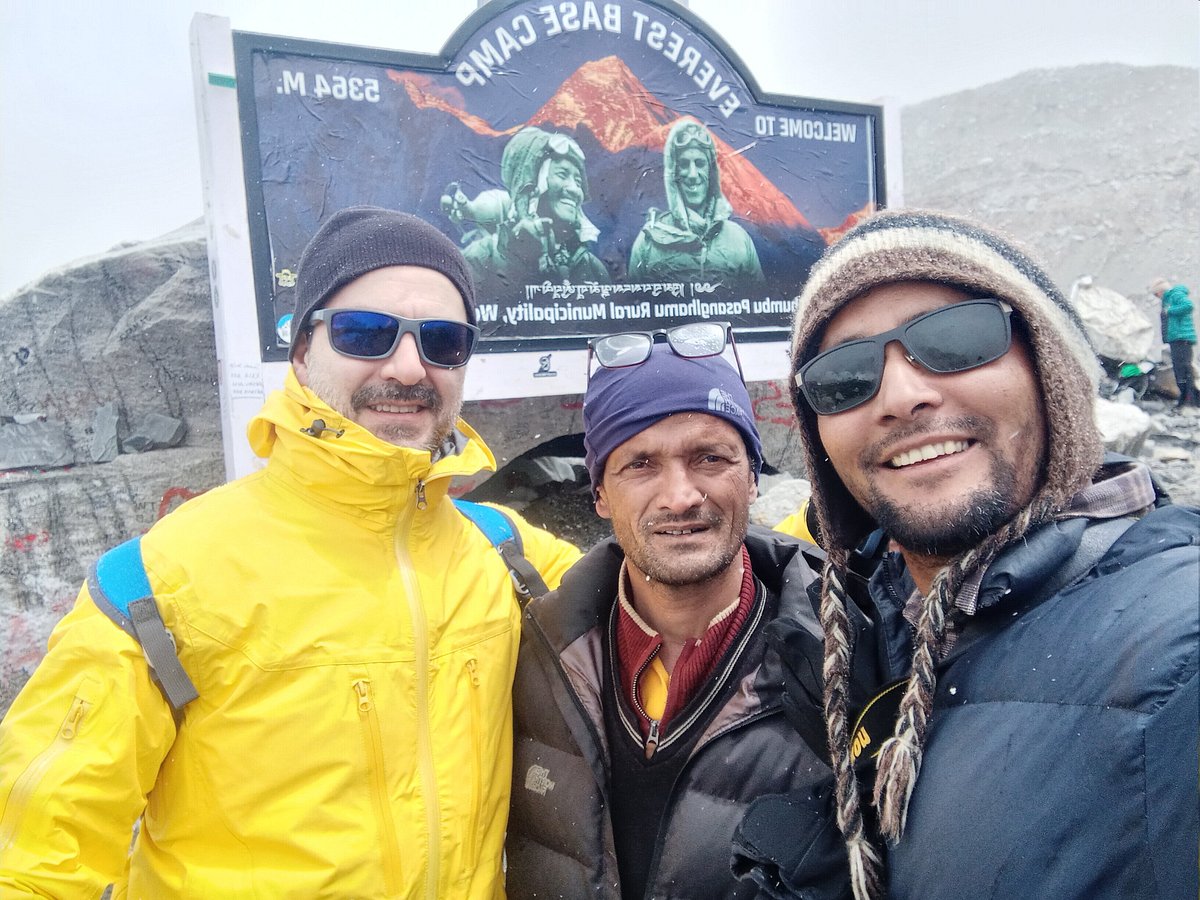
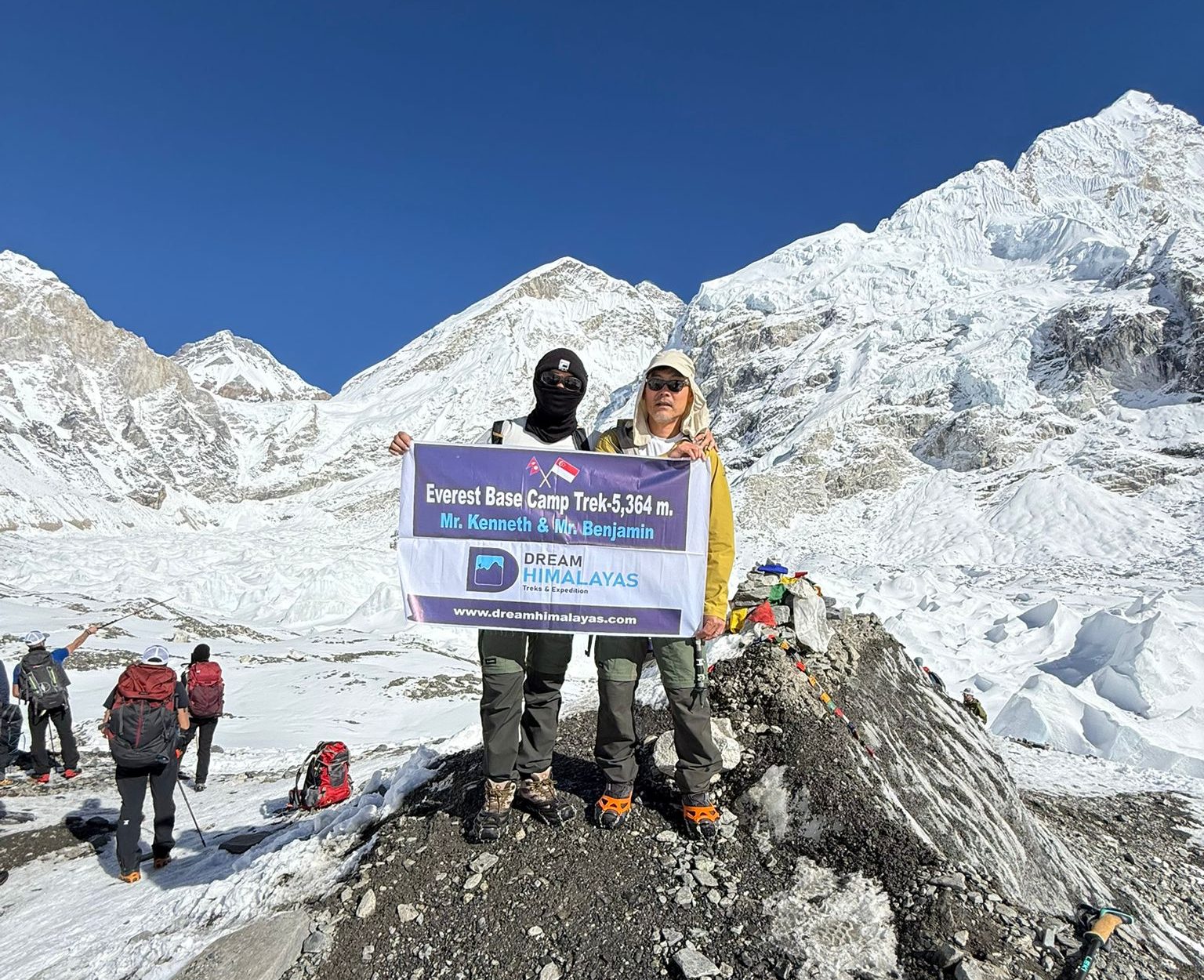
• Scenic mountain Helicopter Flight to Lukla, one of the world’s most dramatic airports.
• Trek through the heart of Sagarmatha National Park, a UNESCO World Heritage Site.
• Acclimatization and cultural experience in Namche Bazaar, the Sherpa capital.
• Visit to Tengboche Monastery, the spiritual center of the Everest region.
• Stand at the iconic Everest Base Camp (5,364 m)
• Sunrise hike to Kala Patthar for the best views of Mount Everest
• Walk alongside the Khumbu Glacier and Icefall
• Helicopter return to Kathmandu with breathtaking aerial Himalayan views
Luxury The Everest Base Camp Trek with Helicopter Return to Kathmandu is one of the finest ways to experience the majestic Everest region. This package is ideal for travelers who want to both who want to trek to Everest Base Camp on foot and also experience the Everest from sky.
This package combines high-altitude trekking, proper acclimatization, and a spectacular helicopter flight over the Himalayas. You reach the iconic Everest Base Camp (5,364 m), hike to Kala Patthar for sunrise views. Then return comfortably to Kathmandu saving time while enjoying surreal aerial vistas of mounatins.
The helicopter flight is the major highlight of this package. Depending on weather and conditions, flights usually depart from Gorak Shep, Dingboche, or Pheriche as per your choice. It just takes approximately 30 – 45 minutes to reach Kathmandu. The flights are Safe, weather-monitored. You will Fly over glaciers, valleys, and high Himalayan peaks. And all helicopter operations follow strict aviation safety regulations.The helicopter flight is one of the highlights of the Everest Base Camp Trek with Helicopter Return to Kathmandu. After completing the trek, travelers board a helicopter from Gorak Shep, Pheriche, or nearby locations depending on weather conditions.
This helicopter ride offers:
The Everest Base Camp Trek with Helicopter Return becomes more comfortable by avoiding long return trekking days.
Trekking to Everest Base Camp requires awareness of altitude and its effects on the human body. As you go higher into the Khumbu region, oxygen levels gradually decrease, and your body needs time to adjust.
Some common symptoms of altitude sickness include headache, dizziness, tiredness, and loss of appetite. These are normal but should never be ignored.
That is why this itinerary includes proper acclimatization days, especially in places like Namche Bazaar and Dingboche. These rest days allow your body to adapt slowly and safely.
Simple habits also make a big difference:
Another major advantage of this trek is the availability of helicopter evacuation in emergencies. This adds an extra layer of safety, especially in remote high-altitude areas.
The Everest region, known as the Khumbu Valley, is not only about mountains — it is also home to the warm and resilient Sherpa people.
Throughout the trek, you will notice strong Buddhist traditions everywhere. Prayer flags move with the wind, mani stones line the trails, and small monasteries sit peacefully in the mountains.
One of the most beautiful cultural highlights is Tengboche Monastery. Surrounded by Himalayan giants, it offers a peaceful atmosphere where monks perform daily prayers. Many trekkers find this place deeply emotional and calming.
The combination of natural beauty and cultural depth makes the Everest journey truly special.
Choosing the right time for the Luxury Everest Base Camp Trek with Helicopter Return to Kathmandu can completely change your experience in the Himalayas. The Everest region is not just about mountains; it is about weather, light, temperature, visibility, and how comfortable your body feels at high altitude. A good season makes the journey smooth and enjoyable, while a wrong season can make it difficult and unpredictable.
The Everest trekking route lies in the Khumbu Region, where weather changes quickly due to extreme elevation differences. In one day, you may walk from green forests to icy landscapes, so understanding the seasons is very important before starting your journey.
Spring is one of the most loved times for the Everest Base Camp trek. The weather slowly becomes warmer after winter, and the entire trail feels alive again.
As you walk through the lower sections, especially near villages and forested areas, rhododendron flowers bloom in red, pink, and white colors. The hills look fresh, and the air feels cleaner compared to winter.
At this time, trekking conditions are generally stable. Days are comfortable for walking, and although nights are cold at higher altitudes, they are manageable with proper gear.
The mountain views during spring are also very impressive. On clear mornings, peaks like Everest, Lhotse, and Ama Dablam stand bright against the sky. The snow on the mountains adds a dramatic contrast that makes every viewpoint special.
This season is also one of the busiest times near Everest Base Camp, because many climbers arrive for summit expeditions. This creates a lively atmosphere along the trail, especially in places like Namche Bazaar and surrounding villages.
Autumn is often considered the most perfect season for this trek, especially if you are also planning a helicopter return.
After the monsoon ends, the sky becomes extremely clear. The air feels fresh, and visibility improves significantly. This is the time when the Himalayas look sharp, detailed, and very close, even from far distances.
Walking conditions are very comfortable. The temperature is cool, but not extreme, making long trekking days easier to handle. Trails are dry and stable, which also helps helicopter flights operate smoothly back to Kathmandu.
One of the special things about autumn is the cultural experience. Major festivals like Dashain and Tihar are celebrated across Nepal, and you may see villages along the route in a festive mood. This adds a warm human touch to an otherwise remote mountain journey.
Photographers especially love this season because every mountain view looks clean and sharp, without haze or cloud obstruction.
Winter in the Everest region is peaceful, but also very cold. The trails are quiet, with fewer trekkers, which makes the journey feel more isolated and raw.
However, temperatures drop significantly, especially above 4,000 meters. Snowfall is common, and some sections of the trail may become more difficult to walk.
The skies are often clear, which is a positive point, but cold winds and extreme temperatures can make trekking harder. Helicopter operations near Lukla Airport may also be affected depending on weather conditions.
This season is suitable only for experienced trekkers who are well-prepared for cold and changing conditions.
Monsoon is generally not preferred for the Everest Base Camp trek with helicopter return.
Heavy rain affects lower regions, making trails slippery and sometimes uncomfortable. Clouds often block mountain views, which reduces the visual experience of the trek.
There can also be flight delays in and out of Lukla due to weather conditions. While the upper part of the Khumbu region is partially in a rain-shadow area, the overall trekking experience becomes less predictable.
For helicopter return specifically, visibility is very important, so monsoon is usually avoided.
The helicopter return is one of the most exciting parts of this journey, but it depends heavily on weather conditions.
Clear skies are needed for:
Both spring and autumn offer the most stable flying conditions over the Himalayas, making them the safest and most enjoyable options.
If you are planning this trek, the choice becomes quite simple:
Autumn (Best Overall)
Autumn is the most reliable season. The weather is stable, skies are crystal clear, and helicopter flights are usually smooth. It is the safest and most visually rewarding time for this trek.
Spring (Most Beautiful)
Spring is slightly more colorful and lively. The blooming flowers, warmer weather, and active trekking atmosphere make it very special and enjoyable.
The Everest Base Camp Trek with Helicopter Return is classified as a moderate to challenging adventure. While it does not require any technical climbing skills, it demands good physical fitness, mental preparation, and endurance.
Trekkers should be ready to walk approximately 5 to 7 hours per day on uneven terrain that includes steep ascents, rocky paths, and high-altitude trails. The gradual gain in elevation makes acclimatization an essential part of the journey.
High altitude is the main challenge of this trek, as oxygen levels decrease significantly above 3,000 meters. Proper acclimatization days are included in the itinerary to help the body adjust safely.
To prepare for the trek, it is highly recommended to engage in regular cardio exercises such as running, cycling, swimming, or long-distance hiking. Strength training and stamina-building activities can also greatly improve your trekking experience.
With proper preparation and a steady pace, most reasonably fit individuals can successfully complete this iconic Himalayan adventure.
| Day | Activity |
|---|---|
| Day 01 | Arrival in Kathmandu |
| Day 02 | Helicopter Flight to Lukla & Trek to Phakding |
| Day 03 | Trek from Phakding to Namche Bazaar |
| Day 04 | Acclimatization Day in Namche Bazaar |
| Day 05 | Trek from Namche to Tengboche |
| Day 06 | Trek from Tengboche to Dingboche |
| Day 07 | Acclimatization Day in Dingboche |
| Day 08 | Trek to Pyramid |
| Day 09 | Trek to Gorak Shep & Everest Base Camp |
| Day 10 | Kala Patthar & Helicopter Return |
| Day 11 | Kathmandu Leisure Day |
| Day 12 | Departure |
We get to experience a cultural journey while trekking. The trek is home to the Sherpa people and old Himalayan traditions.
Sherpa Villages and Daily Life
As we trek through villages like Namche Bazaar, Pangboche and Dingboche we see how people live in the mountains. Their lives are influenced by Buddhism, trade and climbing mountains. We see stone houses, yak caravans, prayer wheels and teahouses where people gather. This shows how people adapt to living up in the mountains.
Buddhist Heritage
Buddhism is very important in the Everest area. The trail has mani stones, prayer flags and chortens. People believe these protect travelers. Bring good luck. A highlight is visiting Tengboche Monastery, which's the spiritual center of the area. Here monks pray every day with the peaks as their backdrop.
Festivals and Traditions
Depending on the time of year we might see festivals like Mani Rimdu. This festival has masked dances, rituals and people gathering together. It celebrates how people live in harmony, with nature and are strong.
The cultural experience of the Everest Base Camp trek makes the adventure more meaningful. It’s not a journey; it’s a chance to really experience life and traditions in the Himalayas.
Altitude sickness (Acute Mountain Sickness: AMS) is the most important health concern on the Everest Base Camp trek. As the route reaches very high elevations, including Everest Base Camp at 5,364 m and Kala Patthar at 5,545 m you should be careful. AMS can affect anyone, regardless of age, fitness, or trekking experience.
Common Symptoms of AMS
• Headache
• Nausea or loss of appetite
• Dizziness
• Fatigue
• Difficulty sleeping
Serious Symptoms (Immediate Action Required)
• Severe headache that doesn’t improve
• Vomiting
• Confusion or loss of coordination
• Chest tightness or shortness of breath
Preventive measure
• Acclimatization days
• “Climb high, sleep low” strategy
• Daily health monitoring by the guide
• Slow walking pace
• Adequate hydration (3–4 liters per day)
If symptoms worsen, descent is the only cure. Helicopter evacuation is used in emergencies (travel insurance required).Flora & Fauna
During the trek we will pass through different geographical regions. This allows us to see types of plants and animals. We can see kinds of plants and animals as we trek at different heights on the trail.
Flora:
Fauna:
All plants and animals are protected. We should watch wildlife from a distance. Be kind, to the environment. We should also follow trekking practices. The different ecosystems make the Everest Base Camp experience more interesting and beautiful.
The Everest Base Camp Trek is far more than a walk to a famous destination it is a journey through towering Himalayan landscapes, living Sherpa culture, and personal challenge. From the dramatic flight to Lukla and acclimatization in Namche Bazaar to the powerful moment of standing at Everest Base Camp and witnessing sunrise from Kala Patthar, every step carries meaning and achievement.
Every person has their own different experience witnessing the Himalayan ranges of Everest. The definition of the trek varies from people to people. So, to know the your version of Everest, this trek should definitely be in your bucket list.
It is a trekking journey to Everest Base Camp followed by a helicopter flight back to Kathmandu or Lukla, saving time and effort.
Usually 8–12 days, depending on the itinerary and acclimatization schedule.
Yes, helicopter flights are operated by experienced pilots following strict mountain safety standards.
The highest point is Everest Base Camp (5,364m), and nearby Kala Patthar (5,545m) is often visited.
No, but good fitness and stamina are highly recommended.
Spring (March–May) and Autumn (September–November) are the best seasons.
It is moderate to challenging due to altitude and long walking hours.
Yes, beginners can complete it with proper preparation and acclimatization.
Usually a shared or private helicopter flight from Gorakshep or Pheriche back to Kathmandu or Lukla.
Around 10–15 kg per person is allowed for trekking; helicopter baggage is limited.
There is a risk, but proper acclimatization reduces it significantly.
Tea houses and lodges with basic but comfortable facilities.
Yes, but it is slow and usually available for an extra cost.
Yes, Sagarmatha National Park Permit and Khumbu Pasang Lhamu Permit are required.
Yes, most trekking companies offer flexible and private itineraries.
It is recommended to book in advance, especially during peak seasons.
Flights may be delayed or rescheduled for safety reasons.
Yes, insurance covering high-altitude trekking and helicopter evacuation is strongly recommended.
Dal Bhat, noodles, soups, pasta, and basic international meals are common.
It saves 3–4 days of return trekking, reduces fatigue, and offers stunning aerial mountain views.