Lumba Sumba La Pass Trek – 17 Days

An Untouched Trail Through the Wild Eastern Himalayas Looking for a trek that’s off the beaten path, rich in biodiversity, and deeply rooted in Himalayan culture? The Lumba Sumba La […]

  • Rated 5/5 based on 57 customer reviews
17 Days
15 - 20 KM Per Day
Hotel,Tea House,Camping
Start from and End to
Min 1 to Max 10 Pax in a group
moderate

Highlights

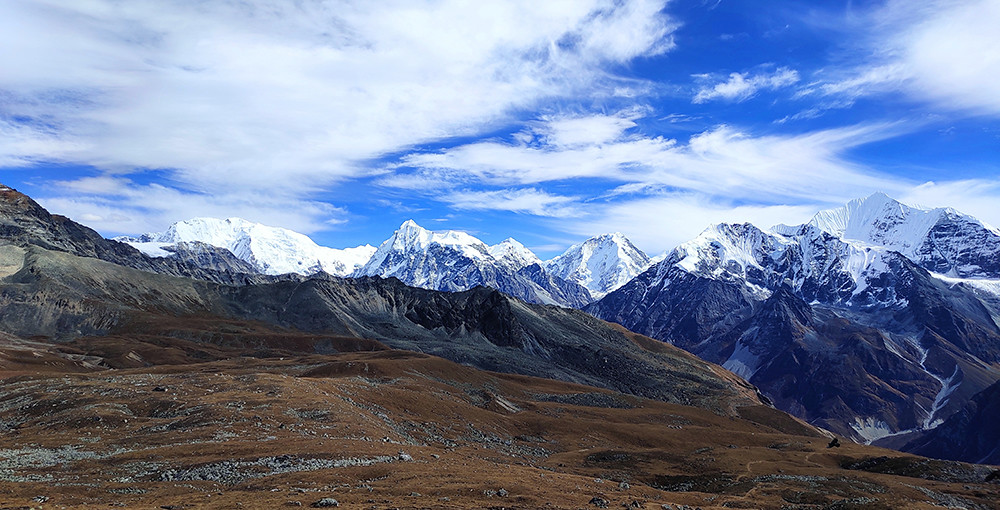
  • Spectacular mountain views of Kanchenjunga, Makalu, and Everest
  • Crossing the challenging Lumba Sumba La Pass (5,177m)
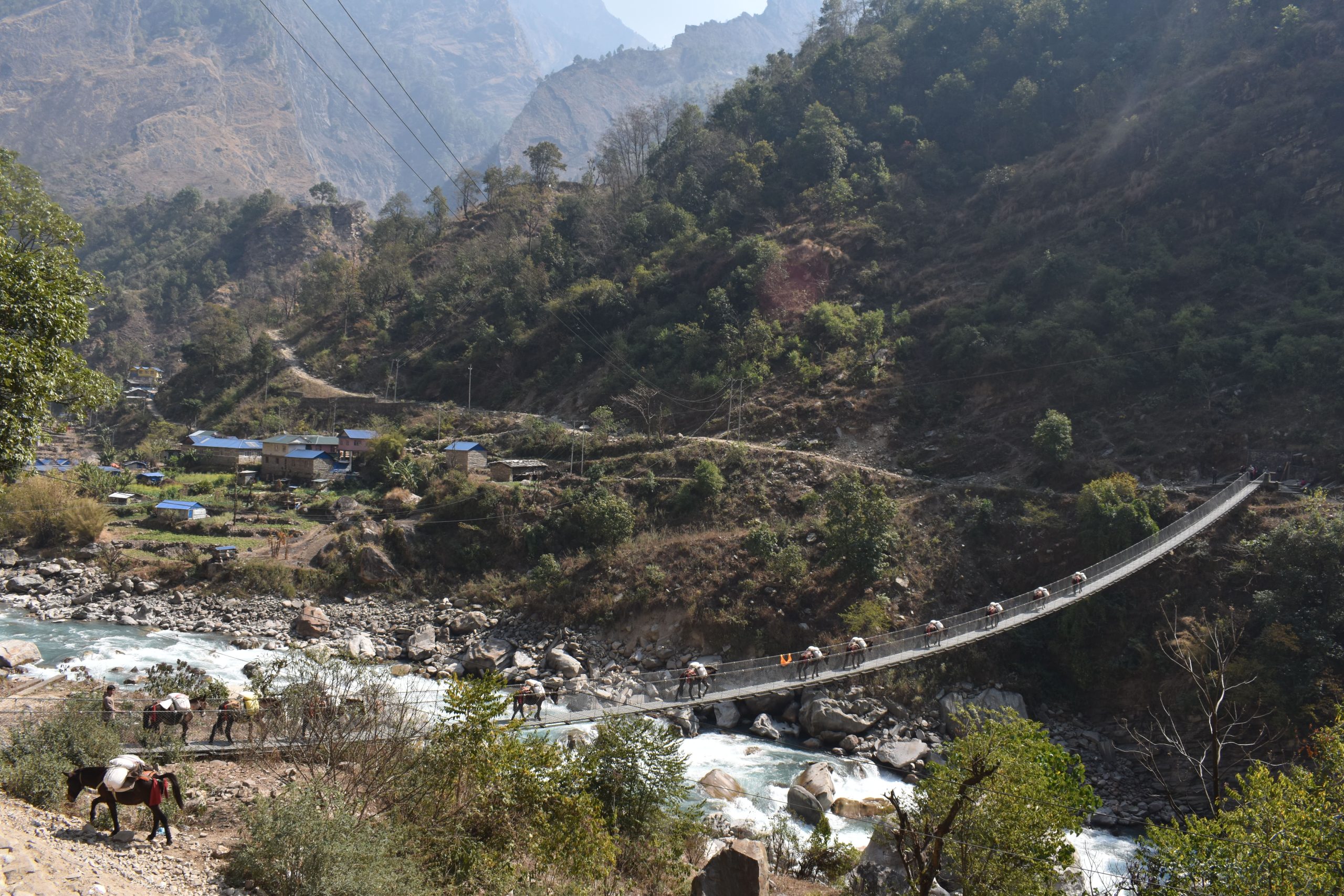
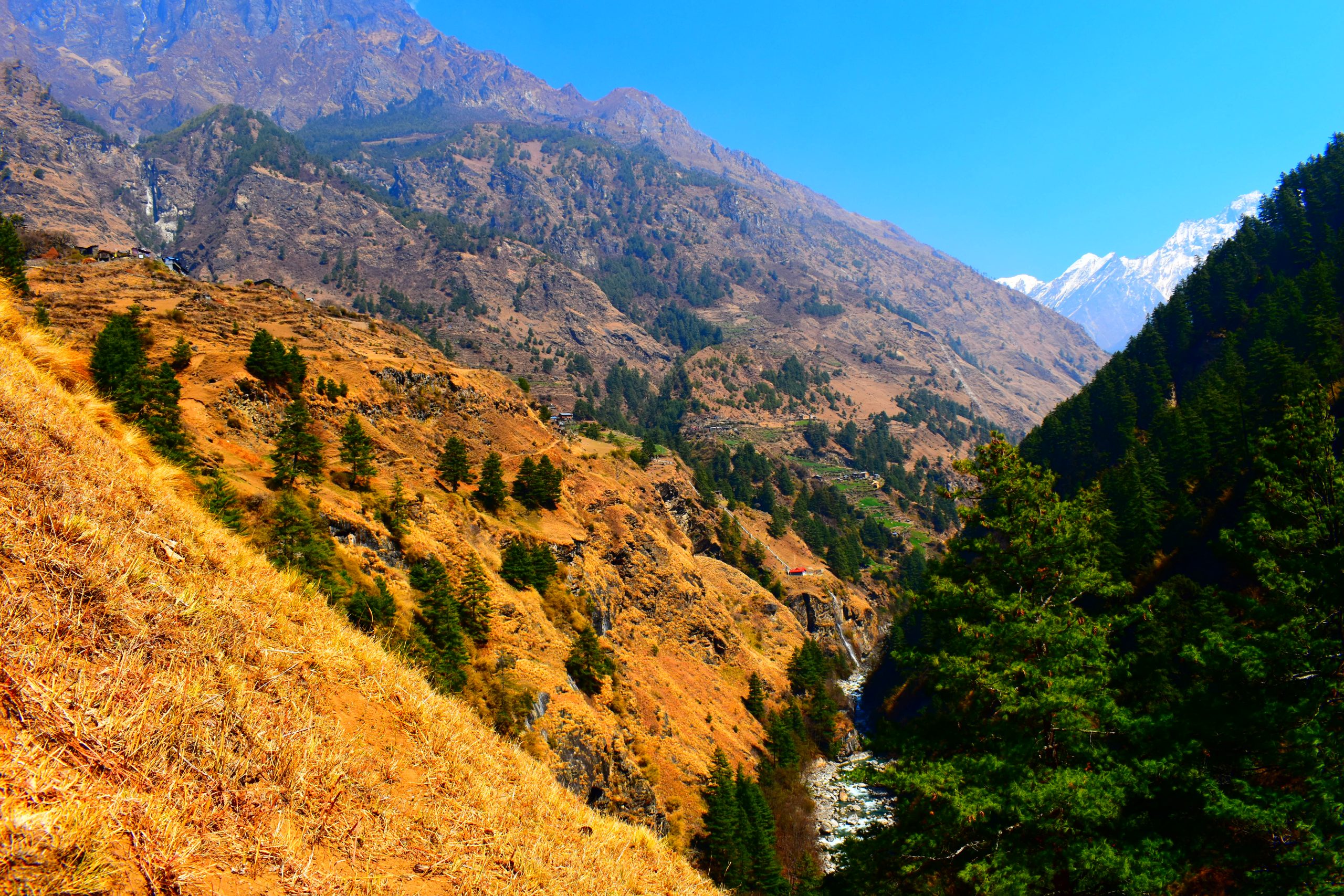
  • Remote and untouched trekking trails through lush forests and alpine landscapes
  • Rich cultural encounters with ethnic groups like Sherpa, Rai, and Limbu
  • Exploring Olangchung Gola, an ancient Tibetan-influenced village
  • Wildlife spotting opportunities, including red pandas and snow leopards
  • Tranquil and off-the-beaten-path experience away from mainstream trekking routes

Overview

An Untouched Trail Through the Wild Eastern Himalayas

Looking for a trek that’s off the beaten path, rich in biodiversity, and deeply rooted in Himalayan culture? The Lumba Sumba La Pass Trek is one of Nepal’s most rewarding and least-traveled high-altitude routes, stretching between two of the most iconic massifs—Kanchenjunga and Makalu.

Over 17 adventurous days, this trek takes you deep into the heart of eastern Nepal, where traditional villages, ancient forests, snow-fed rivers, and high mountain passes create a spectacular setting. The centerpiece of the journey is crossing the Lumba Sumba La Pass (5,177m), a thrilling and remote alpine crossing that offers panoramic views of Makalu (8,485m), Kanchenjunga (8,586m), and even distant glimpses of Everest (8,848m).

This is a wilderness trek where modern infrastructure hasn’t yet reached. You’ll walk through yak pastures, camp beneath starlit skies, and share warm moments with locals in remote Sherpa and Limbu villages. From spotting red pandas in lush forests to experiencing untouched Tibetan-influenced cultures, this trek is a rare gem for those seeking genuine adventure.

Why Choose the Lumba Sumba La Pass Trek?

  • Untouched by Crowds
    Experience one of Nepal’s least commercialized treks—ideal for solitude and nature lovers.
  • Panoramic Mountain Vistas
    Get jaw-dropping views of three of the world’s tallest mountains: Kanchenjunga, Makalu, and Everest.
  • Cross the Majestic Lumba Sumba La (5,177m)
    Conquer a wild, high-altitude pass that connects two great Himalayan regions.
  • Rich Biodiversity
    Trek through the Kanchenjunga Conservation Area and Makalu-Barun National Park, where you may spot red pandas, musk deer, and even the elusive snow leopard.
  • Cultural Immersion
    Stay in villages untouched by tourism and engage with Rai, Limbu, Sherpa, and Tibetan cultures.
  • Remote Wilderness Adventure
    A true Himalayan backcountry trek—no road access, no distractions, just pure mountain exploration.

Best Time to Go

  • Spring (March to May)
    Trails come alive with blooming rhododendrons and wildflowers. Clear skies and longer days make trekking vibrant and scenic.
  • Autumn (September to November)
    Post-monsoon freshness offers excellent visibility, stable weather, and crisp mountain air—ideal for high-pass crossings and photography.

Difficulty Level: Challenging

This is a high-altitude, remote trek that requires:

  • Prior multi-day trekking experience
  • Good physical condition and stamina
  • Readiness for basic accommodation and long walking days (6–8 hours daily)

There are no technical climbing sections, but crossing Lumba Sumba La Pass involves steep ascents and descents on rugged terrain at over 5,000 meters.

Accommodation & Food during Lumba Sumba La Pass Trek

  • Accommodation:
    A mix of basic teahouses, community homestays, and tent camping in remote sections. Lodges may be simple but are full of character and local hospitality.
  • Food:
    Traditional Nepali meals such as dal bhat, soups, momos, noodles, and local grains. In camping areas, our team provides warm, nutritious meals prepared by expedition cooks.

Permits Required during Lumba Sumba La Pass Trek

To do the Lumba Sumba La Pass Trek, you’ll need:

  1. Kanchenjunga Conservation Area Permit (KCAP)
  2. Makalu-Barun National Park Permit
  3. TIMS Card (Trekkers’ Information Management System)

All permits are arranged by Dream Himalayas Trek and Expedition before your journey begins.

Why It’s Worth the Journey

The Lumba Sumba La Pass Trek isn’t just a walk through the mountains—it’s an adventure into a hidden Himalayan world. For trekkers seeking peace, challenge, and a glimpse into Nepal’s untouched natural and cultural heritage, this route is truly unforgettable.

No traffic, no crowds, no distractions—just you, the trail, the mountains, and a deeper connection to nature.

Why Choose Dream Himalayas Trek and Expedition for the Lumba Sumba La Pass Trek?

Choosing the right trekking company can make or break your Himalayan experience—especially when venturing into remote, less-traveled regions like Lumba Sumba La. At Dream Himalayas Trek and Expedition, we don’t just guide you; we walk the journey with you, ensuring every step is safe, meaningful, and unforgettable.

Here’s why trekkers trust us for this extraordinary adventure:

1. Unmatched Local Expertise

We’ve spent decades exploring Nepal’s remote corners. Our guides aren’t just trained professionals—they’re locals who know the terrain, the culture, and the people. That means better navigation, more authentic experiences, and enhanced safety in remote terrain.

2. Safety First—Always

Your safety is our highest priority. From carefully planned acclimatization schedules to daily health check-ins and access to emergency evacuation options, we take every precaution to keep you safe—especially while crossing the 5,177m Lumba Sumba La Pass.

3. Customized Support for a Remote Route

Lumba Sumba is not a commercial trail, and that’s where we shine. We provide tent camping, organize porters and kitchen staff, and ensure you’re well-fed, well-rested, and supported—no matter how far from civilization you go.

4. Ethical and Responsible Trekking

We follow Leave No Trace principles and support local communities by hiring locally, staying in homestays where possible, and respecting the traditions of the people we visit. With us, your journey uplifts the regions you explore.

5. Flexible Itineraries and Personal Attention

Every trekker is different. We tailor the pace and logistics to your needs—whether you want more time for photography, slower ascents for acclimatization, or cultural immersion in mountain villages.

6. Trusted by Trekkers Worldwide

From first-time trekkers to seasoned mountaineers, Dream Himalayas has earned a reputation for professionalism, heart, and adventure. Our reviews reflect our deep commitment to delivering more than just a trek—we offer a life-changing journey.

Whether you’re chasing mountain views, seeking solitude, or simply answering the call of adventure—Dream Himalayas Trek and Expedition is your trusted companion for the Lumba Sumba La Pass Trek.

Itinerary

If you want tailor-made trip or want to personalize this itinerary, just feel free to contact us. We are always there to help you to make your holiday plan. Contact us

Day 01

Fly from Kathmandu to Bhadrapur – Drive to Ilam

Duration 45 mins,4-5 Hours
Altitude 1,636m
The journey starts with a scenic flight from Kathmandu to Bhadrapur, a lowland city in southeastern Nepal. From there, a picturesque drive takes you through rolling hills, lush forests, and tea gardens to Ilam, known for its high-quality tea production. Ilam’s cool climate and green landscapes make it a refreshing stop before the trek.
Day 02

Drive from Ilam to Lelep via Taplejung

Duration 6-7 hours
Altitude 1,687m
The drive continues through winding mountain roads, passing through Taplejung, the gateway to the Kanchenjunga region. The road follows the Tamor River, offering glimpses of terraced farmlands and small villages. Upon reaching Lelep, you will notice a shift in landscape as the forests become denser and the air crisper.
Day 03

Trek from Lelep to Ella Danda

Duration 5-6 hours
Altitude 2,051m
The trek begins with a gradual ascent through rhododendron and bamboo forests. As you walk along the Tamor River, you will pass through small settlements and enjoy views of the distant peaks. The day’s trek ends at Ella Danda, a beautiful ridge offering stunning mountain vistas.
Day 04

Trek from Ella Danda to Selep Kharka

Duration 6-7 hours
Altitude 2,525m
The trail leads deeper into the wilderness, with dense forests and waterfalls along the way. This section is rich in wildlife, and if you are lucky, you may spot red pandas or Himalayan black bears. The trek follows the river and reaches Selep Kharka, a remote clearing used as a pastureland for yaks and sheep.
Day 05

Trek from Selep Kharka to Olangchung Gola

Duration 7-8 hours
Altitude 3,208m
The trail follows the Tamor River, passing through rocky gorges and high cliffs. Olangchung Gola is a historic village with a rich Tibetan influence. The village is home to a 400-year-old monastery, prayer wheels, and traditional stone houses.
Day 06

Acclimatization Day in Olangchung Gola

Duration
Distance
Altitude 3,208m
A rest day to adjust to the altitude. You can explore the village, interact with the locals, and visit the ancient monastery. This is an important day to allow your body to acclimatize before ascending further.
Day 07

Trek from Olangchung Gola to Upper Langmale

Duration 6-7 hours
Altitude 3,893m
The trail gradually ascends through alpine meadows and rugged terrain. You will start to notice the thinning tree line and more open landscapes with snow-capped peaks in the background. Upper Langmale is a remote campsite offering incredible sunset views.
Day 08

Trek from Upper Langmale to Lumba Sumba Pass Camp

Duration 6-7 hours
Altitude 4,748m)
The terrain becomes more challenging as you gain altitude. The trail crosses moraines and glacial streams, with increasingly spectacular mountain views. Reaching the base camp of Lumba Sumba Pass, you will prepare for the next day's high pass crossing.
Day 09

Cross Lumba Sumba La Pass and Trek to Chauri Kharka

Duration 8-9 hours
Altitude 5,177m-4,598m
The most challenging and rewarding day of the trek. The climb to Lumba Sumba La Pass is steep, but the panoramic views of Kanchenjunga, Makalu, and other Himalayan peaks make it worthwhile. The descent to Chauri Kharka is long and gradual.
Day 10

Trek from Chauri Kharka to Thudam

Duration 6-7 hours
Altitude 3,500m
The trail descends through rocky terrain and high-altitude pastures before entering the dense forests of Thudam. Thudam is a small and remote Tibetan-influenced village.
Day 11

Trek from Thudam to Kharka

Duration 5-6 hours
Altitude 2,880m
A gradual descent through thick forests and river valleys. The region is known for its biodiversity, with chances to spot Himalayan wildlife
Day 12

Trek from Kharka to Chyamtang

Duration 6-7 hours
Altitude 2,230m
The trail passes through terraced fields and scattered villages. Chyamtang is a beautiful settlement with a mixed culture of Tibetan and local Nepali communities.
Day 13

Trek from Chyamtang to Hatiya

Duration 5-6 hours
Altitude 1,600m
The descent continues through lush forests and riverside trails. Hatiya is a small but lively village with welcoming locals.
Day 14

Trek from Hatiya to Gola

Duration 6-7 hours
Altitude 1,130m
The trail becomes easier as you descend towards lower elevations. Gola is a peaceful village surrounded by farmland and forests.
Day 15

Trek from Gola to Hedangna Gadi

Altitude 1,180m
The trek passes through hilly landscapes and scattered villages, marking the final phase of the trekking journey.
Day 16

Trek to Hedangna Gadi and Drive to Tumlingtar

Duration 6-7 hours
A final short trek before driving to Tumlingtar, a small town with an airport.
Day 17

Flight from Tumlingtar to Kathmandu

Duration 45 minutes
A scenic flight back to Kathmandu, concluding the Lumba Sumba La Pass Trek. You will be transferred to your hotel, where you can relax and celebrate the successful completion of the trek.

Inclusions

What's included

  • Airport pick-up and drop-off services in Kathmandu

  • Domestic flight from Kathmandu to Bhadrapur (or alternate route if needed)

  • Ground transportation to and from the trek starting and ending points

  • Twin-sharing hotel accommodation in Kathmandu with breakfast

  • Teahouse, homestay, and tented accommodation during the trek

  • All meals during the trek (breakfast, lunch, and dinner with tea/coffee)

  • Licensed and experienced English-speaking trekking guide

  • Porter service (1 porter for 2 trekkers)

  • Cook and kitchen staff for camping sections

  • Staff wages, insurance, meals, and equipment

  • Trekking permits: TIMS, Kanchenjunga Conservation Area, Makalu-Barun National Park, Restricted Area Permit

  • Group camping gear (sleeping tents, dining tent, kitchen tent, toilet tent, etc.)

  • Medical kit with basic first aid equipment

  • Duffel bag for trekking gear (returned after trek)

  • Pre-trek briefing and orientation session

  • Welcome and farewell dinner in Kathmandu

  • Certificate of trek completion

What's not included

  • International airfare to and from Nepal

  • Nepal visa fees upon arrival

  • Personal travel and medical insurance (with high-altitude coverage)

  • Meals in Kathmandu (except breakfast and 2 dinners)

  • Personal trekking gear (clothing, boots, sleeping bag, headlamp, etc.)

  • Extra snacks, drinks, and bottled beverages during the trek

  • Hot showers and charging fees in teahouses (where available)

  • Tips for guides, porters, and support staff

  • Expenses caused by delays, natural disasters, personal illness, or early return

  • Any services not mentioned as included above

Frequently Asked Questions about Lumba Sumba La Pass Trek – 17 Days

1. How difficult is the Lumba Sumba La Pass Trek?

The trek is rated challenging due to its high-altitude pass, long trekking hours, and remote terrain. Prior trekking experience and good fitness are recommended.

2. Do I need a special permit for this trek?

Yes, you need trekking permits for both the Kanchenjunga Conservation Area and Makalu Barun National Park.

3. What is the highest point of the trek?

The highest point is Lumba Sumba La Pass at 5,177 meters.

4. Are there tea houses or do we need to camp?

There are basic tea houses along the route, but some remote sections may require camping.

5. What kind of weather can I expect?

Weather varies by season. Spring and autumn offer stable and clear conditions, while winter can be extremely cold and monsoon months bring heavy rain.

6. How do I prepare for this trek?

Training with cardiovascular exercises, strength training, and practice hikes at higher altitudes is recommended.

7. Is it possible to do this trek solo?

Solo trekking is not recommended due to the remote and challenging nature of the trail. A guide and porter are highly advised for safety and navigation.
Dream Himalayas Illustration