14 Days
15 - 20 KM Per Day
Tea House or Lodge
Start from Kathmandu and End to Kathmandu
Min 2 to Max 10 Pax in a group
Jeep and Flight
moderate
Highlights
- Explore and immerse in local culture and traditions of Thakalis, Gurungs, and Tibetan communities.
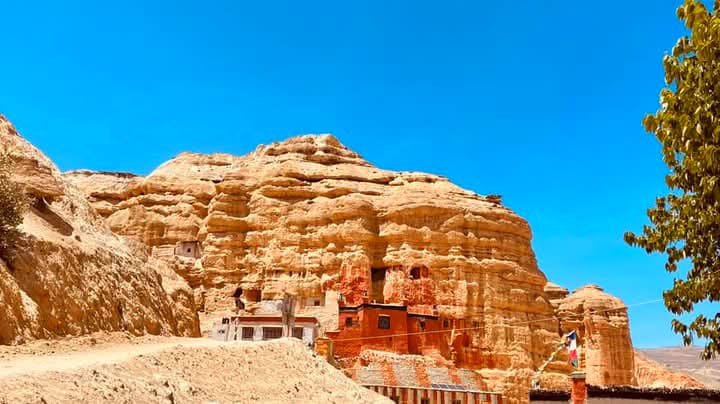
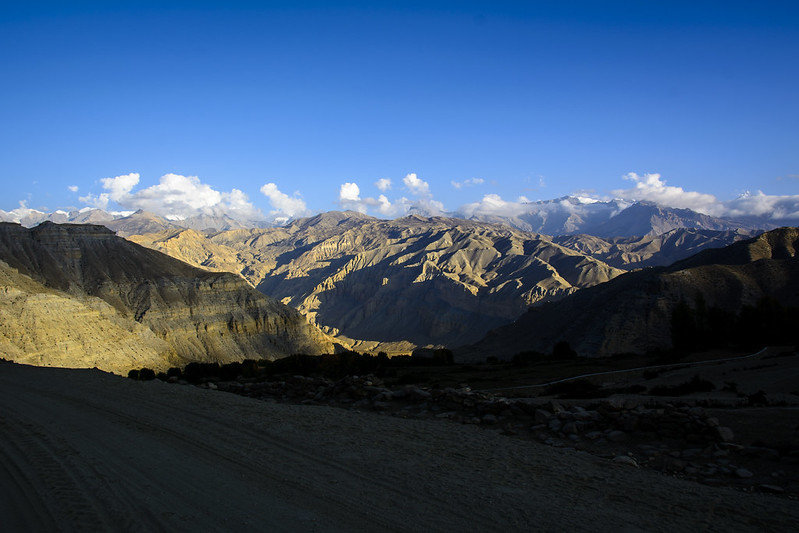
- Witness breathtaking landscapes of arid valleys, canyons, and red cliffs.
- Drive through the world’s deepest gorge, Kali Gandaki Gorge, with majestic mountain views.
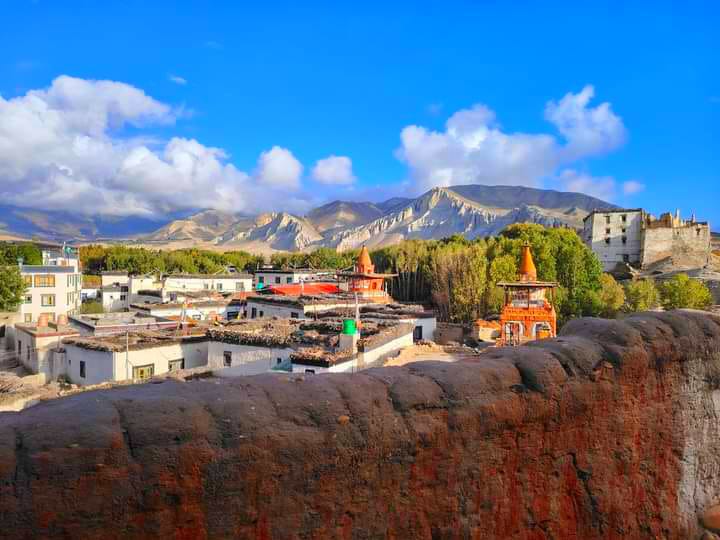
- Discover ancient monasteries, palaces, and traditional mud-brick houses in Lo Manthang and surrounding villages.
- Relax at natural hot springs in Tatopani after scenic drives.
- Enjoy panoramic vistas from Lo La Pass and other high viewpoints across the Himalayas.
- Explore historic caves, Chhuyer Chorten, and Samar Gompa, reflecting local spiritual traditions.
- Rest at high-altitude villages like Ghiling and Charang, surrounded by dramatic mountain scenery.
- Observe Buddhist rituals and local lifestyles in charming monasteries and villages.
- Experience the serene beauty of Upper Mustang’s restricted landscapes, a blend of nature, culture, and history.
Overview
The Upper Mustang Tour is one of Nepal’s fastest-growing adventure experiences, offering a journey through the remote and dramatic landscapes of the Mustang district. Nestled between the mighty Dhaulagiri (8,167 m) and Annapurna (8,091 m) ranges, the route reveals iconic peaks such as Tilicho, Thorung, Tukuche, Nilgiri, Annapurna I, and the sacred Damodar Kunda—areas preserved by extreme terrain and natural isolation. Often referred to by locals and trekking experts as the forbidden kingdom in the shadow of the Himalayas, Mustang remains one of Nepal’s most mystical regions.
The adventure begins with a scenic drive from Kathmandu to Pokhara, followed by a journey onward to Jomsom, the administrative and tourism hub of Mustang. From here, an overland jeep safari takes you through historic villages and dramatic landscapes en route to the ancient capital of Upper Mustang, Lo Manthang. Along the way, you’ll experience the region’s rich culture, traditions, and daily life, with a special visit to Muktinath, one of Nepal’s most important pilgrimage sites.
The route follows the legendary Kali Gandaki Gorge, the deepest gorge in the world, driving toward Kagbeni, the gateway to Upper Mustang. En route, you’ll pass natural and cultural highlights such as the Tatopani hot springs, Marpha Village—famous as the “Apple Garden of Nepal”—and the sacred settlement of Kagbeni. Lo Manthang itself is a windswept valley where strong southern winds blow toward the Tibetan border. The local communities are predominantly Buddhist, speaking a semi-Tibetan dialect, and living within the restricted areas of the Annapurna Conservation Area and Upper Mustang.
More than just a scenic drive, the Mustang Overland Tour offers deep cultural insight into the lives of the Thakali, Gurung, and Tibetan communities. Their traditions, architecture, and lifestyle reflect a unique and timeless way of life that can be experienced in a single, enriching journey.
The tour is filled with breathtaking views of rivers, high-altitude deserts, forests, snow-capped peaks, ancient monasteries, and stone villages—capturing the raw beauty of northern Nepal.
Reaching a maximum altitude of 4,660 meters, the Mustang Overland Tour is considered a low-risk adventure. While travelers should be mentally prepared for rugged conditions, altitude sickness is uncommon, and medical assistance is available if needed. Suitable for travelers of all ages, this tour can be enjoyed year-round, making it one of Nepal’s most accessible and rewarding Himalayan journeys.
Upper Mustang Tour Difficulty
The Upper Mustang Tour is generally considered a moderately easy adventure, making it suitable for travelers of all ages and fitness levels. This journey is ideal for those who want to explore the remote Himalayan highlands without the physical challenge of long or strenuous trekking.
As the entire tour is conducted in private 4WD vehicles, there is no need for hiking or demanding physical activity. However, the route does reach elevations above 4,000 meters, with most nights spent above 3,000 meters, which means mild altitude-related symptoms can occur.
The itinerary is carefully planned to allow gradual altitude gain, helping your body acclimatize properly. Still, some travelers may experience mild symptoms such as headaches, fatigue, or shortness of breath, especially if they are not accustomed to high altitudes.
Road conditions in the Mustang region are rugged and remote, particularly beyond Jomsom. Expect bumpy, dusty rides along unpaved mountain roads carved through steep cliffs and barren valleys. While no technical driving skills are required from travelers, patience and flexibility are essential. Those prone to motion sickness should prepare accordingly.
Overall, with basic good health, an adventurous mindset, and an interest in cultural exploration, the Upper Mustang Overland Tour is highly achievable for solo travelers, families, and even senior travelers.
Best Time for the Upper Mustang Tour
The best time to experience the Upper Mustang Tour is during spring (March to May) and autumn (September to November). These seasons offer the most pleasant temperatures, stable road conditions, and crystal-clear views of Mustang’s dramatic Himalayan landscapes.
One unique advantage of Upper Mustang is that it lies within a rain-shadow zone, meaning it receives very little rainfall. Because of this, the region remains accessible even during the summer monsoon season, making it one of the few destinations in Nepal suitable for travel when other trekking areas are affected by heavy rain.
Itinerary
If you want tailor-made trip or want to personalize this itinerary, just feel free to contact us. We are always there to help you to make your holiday plan. Contact us
Day 01
Arrival in Kathmandu
Duration
30 Minutes
Distance
7 KM
Altitude
1,324 Mtrs
Accommodation
Hotel
Meals
Dinner
Upon arrival at Tribhuvan International Airport, you will be warmly welcomed by our representative and transferred to your hotel in a private vehicle. The rest of the day is free to explore the vibrant streets of Thamel at your own pace.
Day 02
Kathmandu Sightseeing and Permit Preparation
Duration
6 Hours
Distance
24 KM
Altitude
1,324 Mtrs
Accommodation
Hotel
Meals
Breakfast, Lunch, Dinner
Today, you’ll explore Kathmandu’s rich heritage, visiting iconic sites such as Boudhanath Stupa, Pashupatinath Temple, and Patan Durbar Square. Later, meet your mountain guide for a detailed trip briefing and to complete all necessary permit arrangements.
Day 03
Fly from Kathmandu to Pokhara & Pokhara Sightseeing
Duration
30 minutes
Distance
210 KM
Altitude
850 mTrs
Accommodation
Hotel
Meals
Breakfast, Lunch, Dinner
Early morning, take a scenic flight from Kathmandu to Pokhara, enjoying beautiful views of the Himalayan ranges along the way.
Upon arrival in Pokhara, transfer to the hotel and have some time to refresh. Later, explore some of the major attractions of Pokhara, such as Phewa Lake, Tal Barahi Temple, Davis Falls, Gupteshwor Cave, and the International Mountain Museum, depending on available time.
Pokhara is the gateway to the Upper Mustang region, so we use this day to enjoy the beautiful lakeside city and prepare for the upcoming Upper Mustang adventure.
Day 05
Drive from Tatopani to Kagbeni
Duration
7-9 Hours
Distance
160 KM
Altitude
2,840 Mtrs
Accommodation
Hotel
Meals
Breakfast, Lunch, Dinner
Today, we leave Pokhara and begin our journey toward Kagbeni, the gateway to the Upper Mustang region. The scenic drive follows the Kali Gandaki River valley, passing through beautiful mountain landscapes, traditional villages, waterfalls, and rugged Himalayan terrain.
The route takes us through Beni, Tatopani, Ghasa, Marpha, and Jomsom before reaching Kagbeni. Along the way, we can enjoy spectacular views of Annapurna, Dhaulagiri, Nilgiri, and other surrounding peaks.
Kagbeni is an ancient village with narrow alleys, traditional mud-brick houses, and strong Tibetan Buddhist cultural influences. It is also the traditional entry point toward Upper Mustang.
Day 06
Drive from Kagbeni to Ghiling/Ghami (3,806 m)
Duration
2/3 Hours drive
Distance
27 KM
Altitude
3,806 Mtrs
Accommodation
Hotel
Meals
Breakfast, Lunch, Dinner
Today, we continue our journey deeper into the Upper Mustang region. From Kagbeni, the scenic 4WD drive follows the rugged Himalayan trail through the traditional settlements of Chhusang, Chele, and Samar.
In Samar Village, we visit Chhuyer Chorten and Samar Gompa, while enjoying spectacular views of Annapurna and Nilgiri. We then continue toward Sangbochen, with a stop at Ramchung Cave, offering breathtaking views of Tilicho Peak and Damodar Danda.
The route gradually ascends toward Yamada La Pass, crossing the dramatic high-altitude landscape before descending to Ghiling (Ghiling/Ghami area).
After reaching Ghiling, we have time to explore the traditional village and experience its unique Tibetan Buddhist culture.
Day 07
Drive from Ghami to Lo Manthang (3,697 m)
Duration
4-5 Hours
Distance
45 KM
Altitude
3,697 Mtrs
Accommodation
Hotel
Meals
Breakfast, Lunch, Dinner
Today, we continue our journey through the heart of Upper Mustang toward the ancient walled city of Lo Manthang (3,697 m). The route passes through spectacular desert-like landscapes, colorful cliffs, ancient chortens, and traditional Tibetan-style villages.
Along the way, we cross high mountain passes and enjoy breathtaking views of the Mustang Himalaya, Nilgiri, Tilicho Peak, and the Damodar Himal Range. The trail also passes through historic settlements such as Ghami, Tsarang (Charang), and Lo Gekar, offering insights into the unique culture and history of the former Kingdom of Mustang.
Upon arrival in Lo Manthang, explore the ancient walled city, renowned for its centuries-old monasteries, royal palace, narrow alleys, and rich Tibetan Buddhist heritage.
Day 08
Explore Lo Manthang & Drive to Koro La Pass via Chhosar
Duration
4/5 Hours
Distance
25 KM
Altitude
3,697 Mtrs
Accommodation
Hotel
Meals
Breakfast, Lunch, Dinner
Day 08:
Today, we spend the morning exploring the fascinating Lo Manthang, the ancient walled city and cultural heart of Upper Mustang. Visit the historic monasteries, royal palace, traditional houses, and narrow streets while experiencing the unique Tibetan Buddhist culture of the region.
Later, we drive toward Chhosar, a remote settlement famous for its ancient cave dwellings and monasteries carved into the cliffs. We explore the surrounding area before continuing toward Koro La Pass, one of the highest points along the Upper Mustang route.
The drive offers spectacular views of the barren Himalayan landscape, high cliffs, and surrounding mountain ranges. After visiting the pass, we return toward Lo Manthang or continue according to the planned route.
Overnight: Teahouse/Lodge.
Day 09
Hike to Konchok Ling & Return to Lo Manthang
Duration
4-5 hour
Distance
6 KM
Altitude
3,697 Mtrs
Accommodation
Hotel
Meals
Breakfast, Lunch, Dinner
Today, we take a scenic hike from Lo Manthang to Konchok Ling, exploring the remote landscapes and fascinating cultural heritage of Upper Mustang.
The trail passes through dramatic cliffs, barren valleys, and traditional Himalayan landscapes. Konchok Ling is known for its ancient caves, meditation sites, and remarkable Buddhist heritage, offering a unique insight into the spiritual history of Mustang.
After exploring the area and enjoying the spectacular views, we retrace our route and hike back to Lo Manthang..
Day 10
Drive from Lo Manthang to Muktinath (3,800 m)
Duration
4-5 Hours
Distance
75 KM
Altitude
3,800 Mtrs
Accommodation
Hotel
Meals
Breakfast, Lunch, Dinner
Today, we start early and drive south from Lo Manthang toward Muktinath, following the rugged trails through the spectacular landscapes of Upper Mustang.
The journey passes through traditional villages, barren valleys, and dramatic Himalayan scenery before reaching Kagbeni and continuing toward the sacred pilgrimage site of Muktinath (3,800 m).
Muktinath is a highly revered pilgrimage destination for both Hindus and Buddhists, famous for its sacred temple, natural springs, and eternal flame.
The drive also follows the Kali Gandaki Valley, renowned for its dramatic gorge and spectacular views of Dhaulagiri, Nilgiri, and surrounding Himalayan peaks.
Upon arrival in Muktinath, visit the sacred temple complex and explore the surrounding area.
Day 11
Day 11: Drive from Muktinath to Sarangkot, Pokhara
Duration
7-9 Hours
Distance
180 KM
Altitude
1,600 Mtrs
Accommodation
Hotel
Meals
Breakfast, Lunch, Dinner
Today, we leave the sacred pilgrimage site of Muktinath and begin our scenic drive toward Sarangkot, one of the most beautiful viewpoints near Pokhara.
From Muktinath, we drive through Jomsom and Marpha, following the spectacular Kali Gandaki Valley. As we continue toward Tatopani and Beni, the landscape gradually changes from the dry, rugged terrain of Mustang to lush green hills, waterfalls, forests, and traditional terraced farmland.
We then continue to Pokhara and ascend to Sarangkot, a famous hilltop destination renowned for its breathtaking sunrise and sunset views over the Himalayan ranges, including Dhaulagiri, Annapurna, and Machhapuchhre (Fishtail).
Day 12
Hike down from Sarangkot to Lakesite, Pokhara.
Duration
2/3 Hours
Distance
10.5 KM
Altitude
850 Mtrs
Accommodation
Hotel
Meals
Breakfast, Lunch, Dinner
Today, we enjoy a beautiful downhill hike from Sarangkot to Lakeside, Pokhara. The trail passes through peaceful villages, lush forests, terraced farmland, and traditional countryside landscapes.
Along the way, enjoy spectacular views of Annapurna, Machhapuchhre (Fishtail), Dhaulagiri, and the surrounding green hills. As we descend, the trail gradually leads toward the vibrant Lakeside area of Pokhara.
Upon arrival, enjoy some free time to relax, explore the lakeside streets, or take a peaceful walk around Phewa Lake.
Day 13
Fly from Pokhara to Kathmandu
Duration
20 Minutes
Distance
175 KM
Altitude
1,324 Mtrs
Accommodation
Hotel
Meals
Breakfast, Lunch, Dinner
Today, we take a scenic morning flight from Pokhara to Kathmandu. Enjoy beautiful aerial views of the Himalayan ranges and green hills during the short flight.
Upon arrival in Kathmandu, transfer to your hotel and enjoy the rest of the day at leisure. You may relax, explore the local area, or do some last-minute shopping and sightseeing in Kathmandu.
Day 14
Airport Transfer & Final Departure
Duration
30 Minutes
Distance
7 KM
Altitude
1,324 Mtrs
Meals
Breakfast
Today marks the final day of your Nepal adventure.
After breakfast, enjoy some free time at the hotel before our representative transfers you to Tribhuvan International Airport according to your international flight schedule.
We say goodbye and wish you a safe and pleasant journey home, taking with you unforgettable memories of Nepal’s Himalayas, ancient culture, beautiful landscapes, and warm hospitality.
Trip Ends: Airport transfer and final departure.
Inclusions
What's included
- Airport pick up and drop off
- Kathmandu to Pokhara and Return Flight
- English-speaking government license holder trekking guide
- Annapurna Conservation Area Permit (ACAP) TIMS trekking permit
- Mustang special permit
- Transportation by 4x4 car during the trip in Upper Mustang as per itinerary
- Meal during the trip except in Pokhara and Kathmandu
- Hotel in Kathmandu, Pokhara, and in the mountains.
- Accommodation during the trip in Upper Mustang
- Sightseeing entrance fees.
- Short Hiking.
What's not included
- Personal equipment
- Travel/medical insurance
- Emergency rescue evacuation expenses
- Phone calls & Internet
- Monastery entry fee
- International air ticket
- Tips for your crew
- All kind of drinks except teas
Food and Accommodation during the Upper Mustang Tour
The 12-day Upper Mustang Tour offers a delightful mix of traditional Nepali and Tibetan-inspired cuisine. Teahouses and lodges serve wholesome meals, with dal bhat (rice, lentil soup, and vegetables) as a staple, often with unlimited refills to keep your energy up. Popular Tibetan dishes include thukpa (noodle soup) and momo (dumplings), while some locations also offer international options like pasta, fried rice, and pancakes. Ingredients are mainly sourced locally, so menus vary with the season and region.
Accommodation in Upper Mustang is basic but sufficient for travelers’ needs. Tea house rooms typically have twin beds and shared bathrooms. In more developed villages such as Kagbeni and Lo Manthang, private rooms with attached bathrooms may be available. Most lodges provide hot showers (often for an extra charge), heated by solar or gas. Blankets are provided, but carrying a good sleeping bag is recommended for colder nights.
Major Packing List for Upper Mustang Tour
- Hiking Boots: Comfortable, waterproof, and well-broken-in for rugged terrain.
- Thermal Layers: Essential for warmth during cold nights and at higher altitudes.
- Sleeping Bag: Rated for at least -10°C to handle chilly Himalayan nights.
- Down Jacket: Lightweight yet warm for evenings and colder areas.
- Daypack: 20–30L capacity for carrying essentials during daily excursions.
- Trekking Poles: Reduce knee strain and help maintain balance on uneven trails.
- Water Purification Tablets: Ensure safe drinking water throughout the journey.
- Headlamp: Useful for early starts, evening activities, and power outages.
- First Aid Kit: Include blister treatments, altitude sickness medication, and general supplies.
- Snacks: High-energy bars, nuts, and electrolyte powders for quick energy boosts.
Permits and Regulation
Visiting Upper Mustang requires several permits due to its status as a restricted area in Nepal. The primary permit is the Restricted Area Permit (RAP), mandatory for all travelers entering Upper Mustang. The RAP is issued for a minimum of 10 days, with a fee of $500 per person for the initial period. Each additional day costs $50 per person. This permit is essential for preserving the region’s pristine environment and protecting its unique cultural heritage from mass tourism.
In addition to the RAP, travelers need a Trekkers’ Information Management System (TIMS) card, priced at NPR 3,000 for international visitors and NPR 1,000 for SAARC nationals. An Annapurna Conservation Area Project (ACAP) permit is also required, costing NPR 3,000 for international tourists and NPR 200 for SAARC nationals. These permits ensure the conservation of Upper Mustang’s stunning landscapes and rich cultural heritage, allowing future generations to experience and appreciate this extraordinary region.
Guides and Porters for Upper Mustang Tour
Guides and porters play a vital role in the 12-day Upper Mustang Tour. Given the remoteness of the area, guides are invaluable for navigation and for sharing insights into local culture, trail etiquette, weather, and trekking conditions, enhancing the overall experience.
Porters assist by carrying backpacks and luggage, allowing travelers to fully enjoy the journey without the physical strain of heavy loads. Their support ensures a more comfortable and focused trekking experience.vv
Travel Insurance
Travel insurance is mandatory for the 14-day Upper Mustang Tour due to the high altitude, remote terrain, and unpredictable conditions. A suitable policy should provide comprehensive coverage, including medical emergencies, high-altitude sickness, helicopter evacuation, and trip cancellation or postponement.
Given the region’s challenging environment, emergency evacuation is critical, as a helicopter rescue may be the only option in urgent situations. Ensure your policy explicitly covers trekking above 4,000 meters, since many standard insurance plans exclude high-altitude activities.
Travel insurance also protects against delays caused by weather, road conditions, or flight disruptions within Nepal.
Before purchasing, carefully review the terms and conditions to confirm coverage. The right travel insurance not only safeguards your finances but also provides peace of mind, allowing you to fully enjoy your journey without unnecessary worry.
Communication and Internet During the Upper Mustang Tour
Communicating in Upper Mustang can be challenging due to the region’s remoteness. Mobile network coverage is limited and patchy, with partial service from Nepal Telecom (NTC) and Ncell in some villages. In more isolated areas, connectivity may be unavailable. Travelers can improve communication by purchasing a local SIM with a data package in Kathmandu or Pokhara before the trek. For urgent communication, satellite phone rental is an option, though it can be expensive.
Internet access is available in most tea houses and lodges for an additional fee. However, Wi-Fi is generally slow and unreliable, especially in remote areas like Lo-Manthang. Travelers should be prepared for limited online access and plan accordingly for critical communication or updates.
Frequently Asked Questions about Upper Mustang Tour - 14 days
1. What is the Upper Mustang Tour?
The Upper Mustang Tour is a 4×4 jeep adventure through the remote Upper Mustang region, also called the “Last Forbidden Kingdom.” It combines scenic landscapes, traditional villages, monasteries, and the walled city of Lo Manthang.
2. Do I need special permits to enter Upper Mustang?
Yes. Foreign travelers must obtain a Restricted Area Permit (RAP), an Annapurna Conservation Area Permit (ACAP), and sometimes a TIMS card. These permits are issued only through registered Nepali travel agencies.
3. Is a guide required?
Yes, travel in the restricted area requires a licensed guide and driver. Independent travel is not allowed.
4. What kind of vehicle is used?
Tours are done in 4×4 jeeps such as Mahindra Scorpio or Toyota Land Cruiser, suitable for off-road and mountain terrain.
5. How many days does the overland tour take?
Most tours range from 7 to 14 days, depending on the itinerary, sightseeing stops, and acclimatization days.
6. When is the best time to go?
Spring (March–May) and Autumn (September–November) are the best seasons, offering mild weather and clear skies. The region remains relatively dry even during the monsoon.
7. Is altitude sickness a concern?
Mild altitude effects can occur as the tour reaches around 3,600–3,800 meters, but severe AMS is uncommon. Gradual ascent and rest stops help prevent it.
8. What is the accommodation like?
Accommodation is mostly local lodges or tea houses with basic facilities. Towns like Marpha, Kagbeni, and Lo Manthang offer slightly better guesthouses with hot showers or Wi-Fi.
9. What about food and meals?
Meals are usually included and consist of Nepali and Tibetan-style dishes. Drinking bottled or boiled water is recommended.
10. Is it suitable for families or less-fit travelers?
Yes. No long trekking is required, making it suitable for families, seniors, and travelers with moderate fitness.
11.What emergency facilities are available?
Operators include basic first-aid and emergency plans. Serious cases may require evacuation by road or helicopter.
12. How much does the tour cost?
Costs vary by operator and group size, typically ranging from USD 1,200 to 1,800 per person. Permits, flights, insurance, personal expenses, and tips may be extra.
Travelers' Reviews
Thank you dream Himalayas team!
Amazing 😍🤩 Upper mustang Trek. 10 days from Pokhara to Upper Mustang to Pokhara. Lo- Manthang is a beautiful place. There was 👑 King. Still King palace there. They have own Buddhist culture, speak Tibetan languages, and local life style.
Nowday, easy jeep way to reach here!
Thank you dream Himalayas team!