
Mohare Danda Trekking is an emerging trail in the Annapurna region, designed to promote sustainable tourism while supporting local communities. This short yet rewarding trek leads you to Mohare Danda, […]
Mohare Danda Trekking is an emerging trail in the Annapurna region, designed to promote sustainable tourism while supporting local communities. This short yet rewarding trek leads you to Mohare Danda, offering breathtaking panoramic views of the Annapurna and Dhaulagiri ranges. Beyond the natural beauty, the trek also contributes to the improvement of local livelihoods, supporting community development initiatives along the route.
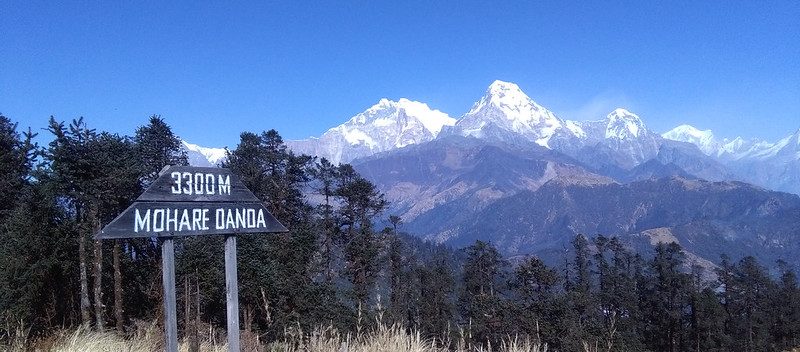
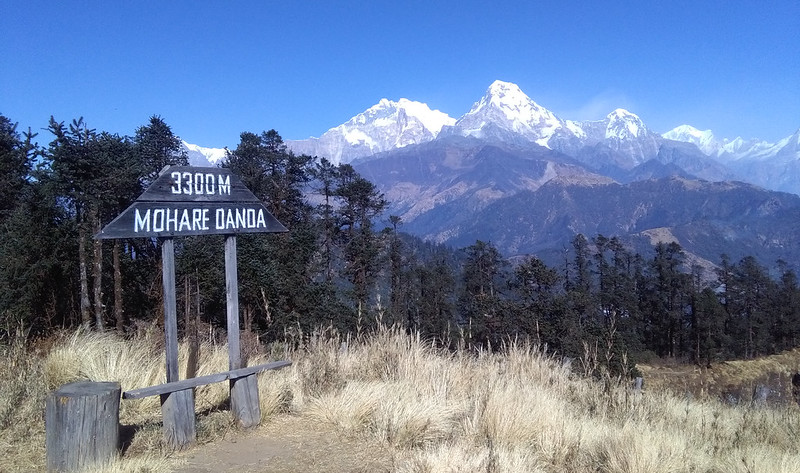
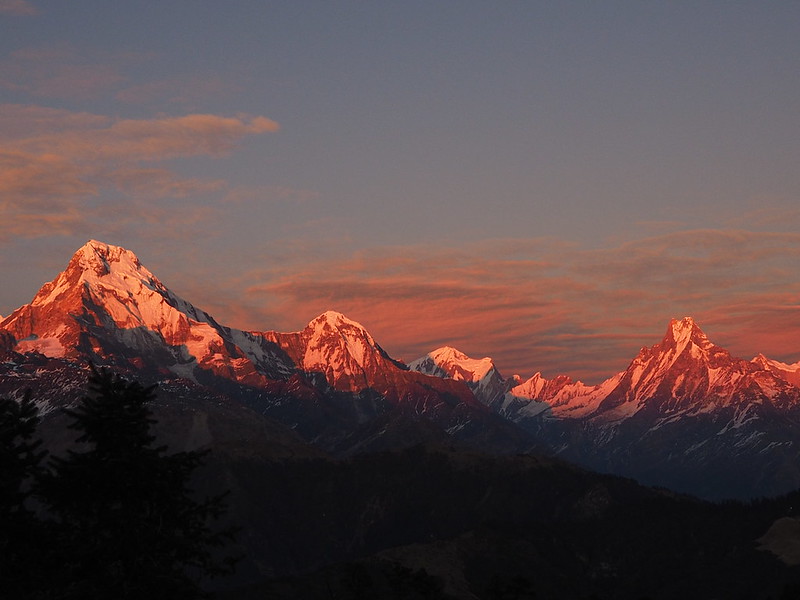
Also known as the Mohare Danda Community Trek, this trail highlights the harmony between nature and culture. Trekking here, you’ll pass through lush orange orchards, dense forests of rhododendron, oak, fir, and pine, and charming, remote villages. Staying overnight in these villages gives a unique opportunity to experience the residents’ simple lifestyle, cultural traditions, and warm hospitality. From Mohare Danda, you can admire stunning sunrises and sunsets, along with views of snow-capped peaks including Nilgiri (7,061 m), Tukuche (6,920 m), Machhapuchhre (6,993 m), Annapurna South (7,219 m), Hiunchuli (6,441 m), and Dhaulagiri (8,167 m).
The 9-day Mohare Danda Trek begins upon arrival in Kathmandu. From there, you’ll take a tourist bus to Pokhara, followed by a private jeep to the starting point at Galeshwor village, where you can visit the Galeshwor Temple. The trek then continues to Banskharka, passing through scenic forests and orange orchards. The route takes you through Danda Kateri toward Nangi Village, the birthplace of Mahabir Pun, where you can explore local landmarks and learn about traditional life. From Nangi, you ascend to Mohare Danda (3,300 m) via Hampal Pass. The trek then winds down through Tilkot and Tiplyang Village, before returning by private vehicle to Pokhara.
The best months to undertake the Mohare Danda Trek are March to May and September to November, though winter trekking is also possible for those who enjoy colder conditions.
At Dream himalayas Treks and Research Hub, we offer a carefully planned Mohare Danda Trek itinerary designed to give you an unforgettable adventure. Bookings are now open for 2026 and2027, and we can customize the package to suit your schedule, budget, and fitness level. For more information about the trek or package cost, please contact us directly.
The Mohare Danda Trek is considered an easy to moderate trek, making it an ideal choice for families, first-time trekkers, or anyone seeking a more relaxed hiking experience. Situated between the towering Annapurna and Dhaulagiri mountain ranges, it offers a breathtaking setting, but without the intense difficulty found in some other trekking routes. This makes the trek particularly appealing for those who are looking for an adventure that balances both nature and culture.
The Mohare Danda Khopra Trek is a wonderful option for those with limited time, as it offers a memorable trekking experience in just 10 days. It is the perfect choice for anyone who wants to explore a less-traveled part of the Annapurna region, where you can avoid the crowds that flock to more popular treks but still enjoy incredible views and unique experiences. The combination of natural beauty and cultural immersion makes this trek ideal for families, trekkers of all ages, and those who prefer a moderate pace.
One of the key aspects of the Mohare Danda Trek is its emphasis on community-based tourism. The route is designed to support local community initiatives, which aim to improve the lifestyle of residents and promote sustainable eco-tourism. As you trek through remote villages and beautiful landscapes, you’ll be directly contributing to the development of the region, which in turn helps support education, healthcare, and infrastructure for the local communities.
In addition to the environmental and cultural experiences, this trek is also known by other names such as the Eco-Community Lodge Trek and Khopra Danda Trek. Both names reflect the trek’s dedication to eco-friendly practices and its focus on giving back to the local communities.
The 10-day itinerary offers a perfect balance between exploration and relaxation. Not only will you take in the stunning natural beauty of the Annapurna and Dhaulagiri ranges, but you’ll also have the chance to engage with the local culture and traditions. From staying in community lodges to experiencing the lifestyle of the villages along the way, this trek offers an authentic glimpse into the everyday life of the people who call this beautiful part of Nepal home.
Embarking on the Mohare Danda Trek does more than provide lifelong memories – it also allows you to make a tangible impact on the community. By staying in local lodges, purchasing goods from local shops, and interacting with residents, you’ll contribute to the region’s development and help improve the lives of the people living there. It’s an ideal way to enjoy the best of both worlds: a memorable trekking adventure and an opportunity to give back.
At Beyond the Limits Treks & Expedition, we pride ourselves on offering tailor-made treks that suit your needs. Whether you’re seeking a slightly shorter or longer trek, we are happy to adjust the itinerary to fit your time, budget, and fitness level. Our experienced guides and support team will ensure your trek is not only enjoyable but also meaningful. Feel free to contact us at any time for more information or to customize your trekking experience.
The best times to embark on the Mohare Danda Trek are during Spring (March to May) and Autumn (October to November). These seasons provide moderate temperatures and clear skies, making for perfect trekking conditions. During these months, you’ll have the opportunity to see the spectacular Himalayan views and vibrant landscapes at their finest. The Spring season is especially beautiful with flowers in bloom, while Autumn offers a clear sky and a refreshing atmosphere.
However, the trek is accessible year-round. Winter treks are also possible, though they can be more challenging due to the colder temperatures, especially at higher elevations. Regardless of the season, each time of the year brings its own unique charm. In the Winter, snow adds a peaceful, magical quality to the surroundings, while in Monsoon, you’ll see lush green forests and waterfalls at their fullest.
Whether you choose to go in Spring, Autumn, or even during the off-seasons, the Mohare Danda Trek offers unforgettable beauty and an enriching cultural experience.
Meals on the Mohare Danda Trek are simple yet nutritious, featuring a mix of local and basic foods. Expect dishes like rice, momo (dumplings), lentils, potatoes, curry, and pickle. Other options might include fried potatoes, Tibetan bread, chowmein, eggs, fried rice, spaghetti, pancakes, and thukpa. For drinks, you'll find hot lemon tea, ginger tea, coffee, milk tea, soda, beer, and even whiskey in some areas.
One of the most popular meals on the trek is dal bhat, a traditional Nepalese dish made of rice, lentils, seasonal vegetables, and pickle. This hearty meal is a good source of carbohydrates and energy, perfect for long days of trekking. While the menu will increase in price as you gain altitude, rest assured you will have access to filling meals and essential nutrients throughout the trek.
Mohare Danda is a newly developed eco-tourism trail situated near the Annapurna Conservation Area, so you won’t find luxury accommodations here. Most of the lodges along the trek are basic, built by the local Magar communities with the help of diligent mountain residents. You’ll be staying in simple, communal lodges with shared rooms. Most accommodations have squat toilets outside the rooms, so it’s advisable to bring extra toilet paper. The lodging is clean and comfortable, especially considering the remoteness of the location. You’ll also have access to cold showers, though hot showers can be arranged for an additional fee (usually between 100 to 200 Nepalese Rupees).
While the Mohare Danda Trek doesn’t pose a high risk of altitude sickness, unforeseen events like accidents, illness, landslides, or weather changes are always possible in the mountains. Therefore, travel insurance is highly recommended. Your insurance should cover costs for emergency medical treatment, high-altitude helicopter rescue, and evacuation. While we can suggest reliable insurance providers based on past experiences, we don’t sell insurance directly. Please ensure you have appropriate coverage and send us the relevant insurance documents before your trek, so we can assist with any emergencies if needed.
Altitude sickness, or Acute Mountain Sickness (AMS), can occur at altitudes above 3,000 meters, and while the Mohare Danda Trek reaches 3,300 meters, the risk is relatively low. Symptoms of AMS include headaches, fatigue, loss of appetite, nausea, dizziness, shortness of breath, and, in rare cases, nosebleeds. If you begin to experience any of these symptoms, it’s crucial to stop ascending, rest, and hydrate. If your condition doesn’t improve, you should descend to a lower elevation. Staying well-hydrated is key to preventing altitude sickness, so drink plenty of water and fluids throughout the trek.
The trek is considered easy to moderate, making it suitable for families, beginners, and those looking for a less strenuous trek in the Annapurna region.
The standard itinerary is 10 days, covering scenic villages, forests, and panoramic Himalayan views. Shorter or tailor-made itineraries can also be arranged.
Spring (March to May) and Autumn (September to November) are the best seasons due to clear skies, moderate temperatures, and stunning mountain views. Trekking is also possible in winter for those who can handle colder weather.
You’ll stay in community lodges and homestays, which offer basic but comfortable facilities and an authentic local experience.
While the trek can be done independently, hiring a guide and/or porter is recommended. Guides enhance the experience with cultural insights and local knowledge, while porters help carry heavy luggage.
You will need an Annapurna Conservation Area Permit (ACAP) and a Trekkers’ Information Management System (TIMS) card. Your trekking company usually arranges these.
The villages along the route serve local Nepali cuisine, including rice, lentils, vegetables, noodles, and momos. Some lodges may also offer limited Western options.
Yes, the trek is family-friendly. However, a moderate level of fitness is recommended for a comfortable experience.
The trek offers spectacular views of Annapurna South, Machhapuchhre, Nilgiri, Dhaulagiri, Hiunchuli, and other peaks, along with lush forests, orange orchards, and terraced farmlands.
Essential gear includes trekking boots, warm clothing, rain gear, trekking poles, water bottle, sunscreen, and a daypack. A detailed gear list is usually provided by your trekking operator.
Yes, but winter brings colder temperatures and possible snow, while monsoon season (June–August) may involve rain and muddy trails. Spring and autumn are generally safer and more scenic.
The trek passes through remote villages, staying in community lodges and supporting local businesses. It promotes eco-tourism and helps fund local development projects.


