
The Sikles Trek is one of the finest short and cultural treks in Nepal’s Annapurna region, perfect for travelers seeking authentic village life, scenic landscapes, and Himalayan views without trekking […]
Duration: 10 Days / 9 Nights
Trekking: 5 Days
Kathmandu: 3 Nights
Pokhara: 2 Nights
Route: Kathmandu – Pokhara – Sikles – Kathmandu
Trip Type: Cultural, Village & Himalayan Trek
Starting/Ending Point: Kathmandu Airport
The Sikles Trek is a wonderful 10-day journey combining the cultural richness of the Gurung community with the natural beauty of Nepal's mid-hill landscapes. Sikles is one of the most beautiful traditional Gurung villages in the Annapurna region, surrounded by lush forests, terraced rice fields and spectacular Himalayan scenery.
The journey begins in Kathmandu with a cultural sightseeing tour before continuing to the beautiful lakeside city of Pokhara. From Pokhara, the trek takes you through peaceful rural landscapes, traditional villages, terraced farmland and forests of rhododendron and oak.
During the trek, you will have the opportunity to meet local people, experience authentic Gurung culture, enjoy traditional Nepali food and stay in welcoming village tea houses and peaceful camps. The spectacular views of the Annapurna and Lamjung Himalayan ranges, together with beautiful sunrise and sunset moments, make Sikles an unforgettable destination.
One of the main attractions of the Sikles Trek is the opportunity to experience the traditional lifestyle of the Gurung people. You can explore the village, interact with local residents, learn about their customs and traditions, and enjoy their warm hospitality.
The combination of mountain scenery, traditional houses, terraced fields and local culture makes Sikles an ideal destination for travelers looking for an authentic Himalayan experience.
Your 10-day adventure combines the highlights of Kathmandu and Pokhara with five days of trekking through the peaceful countryside. From the historical heritage of Kathmandu to the lakes of Pokhara and the traditional Gurung villages around Sikles, this journey offers a wonderful introduction to Nepal's culture, nature and Himalayan landscapes.
Sikles Trek is perfect for travelers who want to experience Nepal beyond the busy tourist routes—combining Himalayan views, village culture, nature, local food and genuine Nepali hospitality in one unforgettable journey.
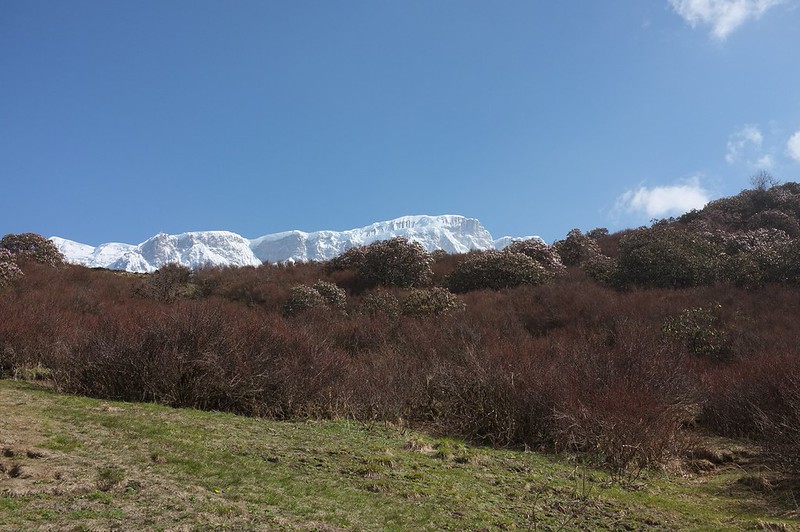
The Sikles Trek is one of the finest short and cultural treks in Nepal’s Annapurna region, perfect for travelers seeking authentic village life, scenic landscapes, and Himalayan views without trekking to extreme altitudes. This off-the-beaten-path journey leads through traditional Gurung villages, terraced farmland, and lush rhododendron forests, offering a rewarding blend of nature and culture.
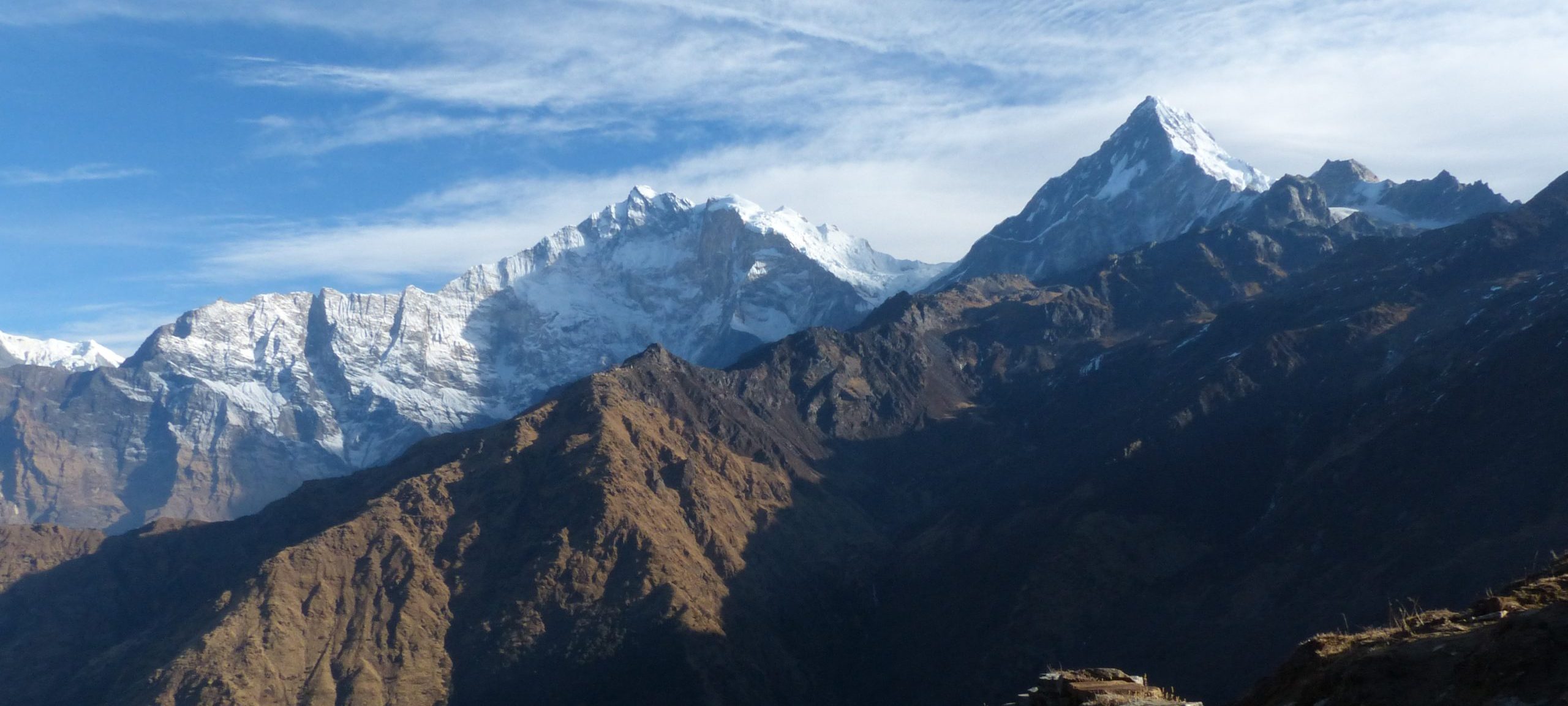
Sikles Village (1,980 m) is a well-preserved Gurung settlement where trekkers experience traditional culture, stone-paved streets, and an eco museum, while nearby Maudu Kyufi Temple offers insight into local Buddhism. Ghale Gaon (2,000 m) is another highlight, known for homestays, cultural programs, and panoramic views of Annapurna II, Annapurna IV, Lamjung Himal, and Machhapuchhre.
Unlike high-altitude treks such as Everest Base Camp or the Annapurna Circuit, the Sikles Trek stays below 2,200 meters, making it ideal for beginners, families, and cultural travelers. Daily walks are moderate, averaging 4 to 6 hours, allowing plenty of time to enjoy the surroundings, interact with locals, and experience village hospitality. The trail passes through rolling hills, rice terraces, forested paths, and scenic ridges with beautiful Himalayan panoramas.
The journey starts with a scenic drive from Kathmandu to Pokhara, followed by trekking through Bijayapur Khola, Kalikasthan, Lamakhet, Sikles, Forest Camp, and Ghale Gaon, before returning to Pokhara. Accommodation is provided in simple teahouses and local homestays, offering traditional meals and warm hospitality. Time in Pokhara allows trekkers to relax by Phewa Lake and enjoy the city’s laid-back atmosphere.
For those seeking an extension, a side trip to Kapuche Glacier Lake from Sikles is highly recommended. This stunning lake, located beneath Annapurna II, is the lowest glacier lake in Nepal and adds a unique adventure element to the trek.
Overall, the Sikles Trek is a hidden gem in the Annapurna foothills, ideal for travelers looking for a short, culturally rich trekking experience away from crowded trails. With its accessible route, vibrant local culture, and breathtaking mountain views, it offers an authentic taste of rural Himalayan life.
The ideal times to trek to Sikles are spring (March to May) and fall (September to November). During these seasons, the weather is stable, skies are clear, and mountain views are spectacular. Spring brings blooming rhododendrons, while fall offers crisp air and rejuvenated villages after the monsoon. Winter (December to February) is also an option for those seeking solitude, but temperatures can drop significantly at night. The monsoon season (June to August) is not recommended due to heavy rains, slippery trails, and leeches.
Sikles Trek is one of the few treks offering an authentic Gurung cultural experience combined with beautiful scenery and easily accessible trails. Quieter and more traditional than popular Annapurna routes, it takes you through picturesque villages, terraced hillsides, and rhododendron forests untouched by modern development. From the village and surrounding hills, you can enjoy amazing views of Machhapuchhre (Fishtail), Annapurna South, and Hiunchuli. It’s ideal for travelers wanting to experience the Himalayas without challenging climbs or high altitudes.
Rated easy to moderate, Sikles Trek is suitable for families, beginners, or those seeking a relaxed hiking experience. The highest point reaches around 2,000 meters, reducing the risk of altitude sickness. Daily walks take 4–6 hours over hills and stone steps, requiring no technical skills. Being reasonably fit is helpful, making this trek a perfect introduction to Nepal’s mountains.
Day 01: Arrival at Tribhuwan International Airport, Kathmandu, and transfer to your hotel.
Day 02: Explore the rich history and vibrant culture of the Kathmandu Valley.
Day 03: Drive from Kathmandu to Pokhara (800 m / 2,625 ft).
Day 04: Drive from Pokhara to Bhurjung Khola, then begin trekking to Ghale Kharka (1,520 m / 4,986 ft).
Day 05: Trek from Ghale Kharka to Tara Hilltop (2,850 m / 9,348 ft).
Day 06: Trek from Tara Hilltop to the traditional Sikles Village (1,980 m / 6,495 ft)
Day 07: Trek from Sikles Village to Yangjakot (1,440 m / 4,724 ft) and continue to Kalikasthan (1,370 m / 4,494 ft).
Day 08: Trek from Kalikasthan to Begnas Lake, followed by a drive back to Pokhara (800 m / 2,625 ft).
Day 09: Fly from Pokhara to Kathmandu.
Day 10: Departure from Kathmandu.
During the Sikles Trek, trekkers can expect basic but comfortable accommodations and a variety of food options along the route. There are numerous teahouses and lodges where you can stay overnight. These teahouses typically offer simple rooms equipped with beds, blankets, and pillows. Many also provide additional facilities such as charging points for electronic devices and hot water for bathing.
Food options on the trail are diverse, with Nepali, Tibetan, and Indian cuisines readily available. Popular meals include Dal Bhat (rice with lentils and vegetables), momos (dumplings), and noodles. Snacks such as biscuits, chocolates, and energy bars are also available at most stops.
It’s wise to carry some personal snacks and water to stay hydrated and energized throughout the trek. Additionally, bringing a water filter or water purification tablets is recommended to ensure safe drinking water.
The Sikles Trek is located in the Annapurna region of Nepal, northeast of Pokhara, and passes through traditional Gurung villages.
The Sikles Trek is an easy to moderate trek, suitable for beginners, families, and cultural trekkers.
The highest point of the trek is around 2,200 meters, making it a low-altitude and safe trek with minimal risk of altitude sickness.
The trek typically takes 4 to 7 days, depending on the itinerary and side trips like Kapuche Glacier Lake.
The best seasons are spring (March to May) and autumn (September to November) for clear views and pleasant weather.
Yes, travel insurance is recommended to cover emergencies, medical expenses, and evacuation if needed.
Accommodation includes teahouses and homestays, offering basic but comfortable rooms and warm local hospitality.
You can enjoy local Nepali meals like dal bhat, noodles, soups, rice, and seasonal vegetables.
Yes, you need an Annapurna Conservation Area Permit (ACAP) and a TIMS card.
Yes, due to its low altitude and short walking hours, it is suitable for children and family groups.
Yes, it can be combined with Pokhara sightseeing, Kapuche Glacier Lake, or other short Annapurna foothill treks.


